
Introduction
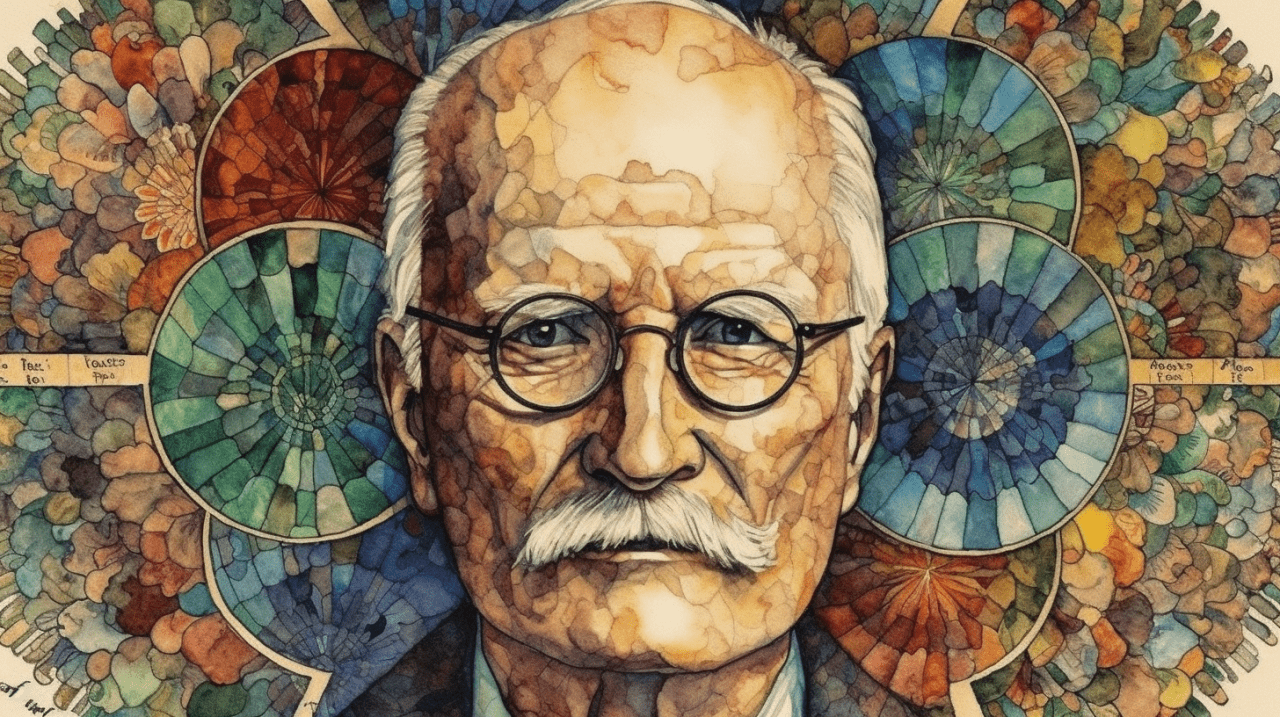
Carl Gustav Jung, the renowned Swiss psychiatrist and psychoanalyst, is celebrated for his profound contributions to the field of psychology. Beyond his pioneering work in analytical psychology, Jung delved into the fascinating realms of dreams, myths, and the collective unconscious. Among his numerous writings, Jung’s thoughts on journeying, both as a metaphorical and psychological concept, continue to inspire seekers of self-discovery and inner transformation. In this article, we will explore Jung’s insights into the journey of the psyche, shedding light on his key writings and the enduring relevance of his ideas.
The Call to Adventure
Jung believed that each individual’s life is an unfolding journey of self-discovery, a journey that he embraced and famously documented in The Red Book. He saw life as a narrative comprised of various stages, each with its own trials, tribulations, and revelations. At the heart of this journey lies the call to adventure, an inner yearning to explore the uncharted territories of one’s own psyche.
The Collective Unconscious
A central tenet of Jungian psychology is the concept of the collective unconscious. Jung proposed that deep within our psyches, we share a reservoir of universal, archetypal images, symbols, and motifs. These elements, he believed, guide our thoughts, dreams, and actions. In the context of shamanic journeying, what Jung referred to as active imagination, the collective unconscious serves as a vast landscape waiting to be explored. Jung encouraged individuals to tap into this wellspring of symbols and archetypes to gain a deeper understanding of their own inner worlds.
The Anima and Animus
Jung’s concept of the anima and animus represents the masculine and feminine aspects within every individual, regardless of gender. He believed that a crucial aspect of the journey of self-discovery involves integrating these opposing forces. The anima and animus often appear in dreams and fantasies as characters representing our unconscious aspects. Journeying within to understand and embrace these inner figures can lead to a more balanced and harmonious self.
Dreams as Pathways
Jung placed great importance on dreams as gateways to the unconscious. He viewed dreams as messages from the psyche, each containing valuable insights and symbols. Analyzing dreams, Jung argued, could illuminate the path of self-discovery. To Jung, dreams were like maps guiding individuals through the labyrinthine corridors of their inner worlds.
Individuation: The Ultimate Journey
For Jung, the ultimate goal of the journey was individuation – the process of becoming one’s true self, distinct from the influences of society, family, and culture. This transformative journey involves embracing all aspects of one’s psyche, both light and shadow, and integrating them into a harmonious whole. Individuation, Jung believed, leads to a sense of wholeness and fulfillment.
The Enduring Legacy
Carl Jung’s writings on journeying continue to captivate and inspire seekers of self-awareness and personal growth. His emphasis on the inner quest for meaning and the integration of the unconscious aspects of the self has resonated with individuals from diverse backgrounds. Although Jung may not be a household name, his theories and teachings have found their way into various fields, from psychology to literature and the arts, influencing generations of thinkers and creators.
Conclusion
Carl Jung’s exploration of the human psyche and his writings on journeying remain a source of profound wisdom for those who seek to embark on their own quests of self-discovery. Through the lens of Jungian psychology, the journey becomes not just a physical endeavor but a profound exploration of the inner landscapes of the soul. As we heed the call to adventure, embrace the collective unconscious, and embark on the journey of individuation, we can find meaning, wholeness, and a deeper understanding of ourselves. In the words of Carl Jung, “The journey to wholeness requires that we look at, and embrace, all aspects of ourselves, even the parts we’d rather not acknowledge.”
One response to “Carl Jung and the Journey of Self-Discovery: Exploring His Writings on the Psyche’s Quest”
Truly insightful, offering a captivating glimpse into the complexities of Carl Jung’s theories and their relevance in understanding the human psyche. It piqued my interest to delve deeper into Jung’s work!