
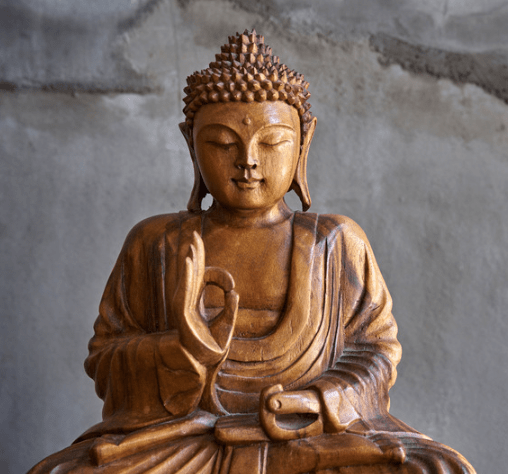
Buddhism, a spiritual tradition that has flourished for over 2,500 years, offers profound insights into the nature of existence and the path to inner peace. Rooted in the teachings of Siddhartha Gautama, known as the Buddha, Buddhism transcends religious boundaries and provides a practical framework for living a mindful and compassionate life.
The Life of the Buddha
Siddhartha Gautama was born into a royal family in ancient India. Despite his luxurious upbringing, he was deeply moved by the suffering he witnessed outside the palace walls. This led him to renounce his princely life and embark on a quest for enlightenment. After years of rigorous meditation and ascetic practices, he attained enlightenment under the Bodhi tree and became the Buddha, or “the awakened one.”
Core Teachings of Buddhism
At the heart of Buddhism are the Four Noble Truths and the Noble Eightfold Path, which provide a roadmap for overcoming suffering and achieving spiritual liberation.
- The Four Noble Truths:
- Dukkha: Life is inherently unsatisfactory and filled with suffering.
- Samudaya: The cause of suffering is desire and attachment.
- Nirodha: The cessation of suffering is possible by eliminating desire.
- Magga: The path to the cessation of suffering is the Noble Eightfold Path.
- The Noble Eightfold Path:
- Right Understanding: Comprehending the nature of reality and the Four Noble Truths.
- Right Intent: Cultivating a mindset of renunciation, goodwill, and harmlessness.
- Right Speech: Speaking truthfully and avoiding harmful speech.
- Right Action: Engaging in ethical conduct and avoiding actions that cause harm.
- Right Livelihood: Earning a living in a way that does not harm others.
- Right Effort: Cultivating positive states of mind and eliminating negative ones.
- Right Mindfulness: Developing awareness of the body, feelings, thoughts, and phenomena.
- Right Concentration: Practicing meditation to achieve a focused and tranquil mind.
Meditation and Mindfulness
Meditation is a cornerstone of Buddhist practice. It involves techniques such as mindfulness meditation (Vipassana) and concentration meditation (Samatha) to develop awareness and mental clarity. Through meditation, practitioners learn to observe their thoughts and emotions without attachment, leading to greater inner peace and insight.
The Spread of Buddhism
Buddhism has evolved into various schools and traditions as it spread across Asia and the world. Major branches include Theravada, Mahayana, and Vajrayana Buddhism, each with its unique practices and interpretations of the Buddha’s teachings. Despite these differences, all schools emphasize the importance of compassion, wisdom, and ethical conduct.
Buddhism in the Modern World
In today’s fast-paced world, Buddhism offers timeless wisdom that resonates with many seeking a deeper understanding of life and a path to inner peace. Practices such as mindfulness and meditation have gained widespread popularity, helping individuals manage stress, improve mental health, and cultivate a sense of well-being.
Conclusion
Buddhism is not just a religion but a way of life that encourages self-discovery and personal growth. By embracing the teachings of the Buddha, we can navigate the challenges of life with greater clarity, compassion, and equanimity. Whether you are new to Buddhism or a seasoned practitioner, the journey towards enlightenment is a continuous process of learning and transformation.