
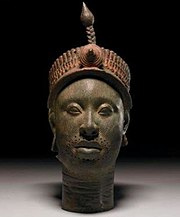
The Yoruba people, one of the largest ethnic groups in West Africa, have a vibrant culture and history that spans centuries. Predominantly found in Nigeria, with significant populations in Benin and Togo, the Yoruba community is known for its rich traditions, language, and spiritual practices.
Historical Background
The origins of the Yoruba people are deeply rooted in mythology and history. According to Yoruba mythology, Ile-Ife is considered the birthplace of humanity, where the god Oduduwa descended to create the earth. Historically, the Yoruba established several powerful kingdoms, including the Oyo Empire, which was a dominant force in the region during the 17th and 18th centuries.
Language and Literature
Yoruba, a Niger-Congo language, is spoken by approximately 47 million people worldwide. It is not only a means of communication but also a vessel for preserving Yoruba culture and traditions. The language has a rich literary tradition, with numerous works of poetry, proverbs, and folktales that have been passed down through generations.
Religion and Spirituality
The Yoruba religion, also known as Ifá, is a profound and intricate spiritual system that encompasses divination, worship, and rituals. Central to this religion is the belief in a supreme deity, Olodumare, who is the source of all creation. Olodumare is considered the ultimate authority, but the day-to-day spiritual life of the Yoruba people revolves around a pantheon of deities known as Orishas.
The Orishas
Orishas are divine beings that represent various natural forces and human endeavors. Each Orisha has its own unique attributes, stories, and areas of influence. Some of the most well-known Orishas include:
- Obatala: The Orisha of wisdom, purity, and creation. He is often depicted as an elderly figure and is associated with peace and compassion.
- Shango: The Orisha of thunder, lightning, and fire. Shango is a powerful warrior and is revered for his strength and bravery.
- Oshun: The Orisha of love, fertility, and rivers. Oshun is celebrated for her beauty and benevolence, and she is often invoked in matters of the heart and prosperity.
- Yemoja: The mother of all Orishas and the goddess of the sea. Yemoja is a nurturing figure, symbolizing motherhood and the sustenance of life.
Divination Practices
Divination is a crucial aspect of Yoruba spirituality, providing guidance and insight into various aspects of life. The most prominent divination system is Ifá, which involves a complex process of interpreting signs and symbols through the use of sacred palm nuts and a divination tray. Babalawos (male priests) and Iyalawos (female priests) are trained in the art of Ifá divination and serve as intermediaries between the Orishas and the people.
Rituals and Offerings
Rituals and offerings are integral to maintaining harmony with the Orishas. These practices can range from simple daily prayers and offerings of food, drink, and other items, to elaborate ceremonies involving music, dance, and drumming. Each Orisha has specific preferences for offerings, and these rituals are performed to seek blessings, protection, and guidance.
Influence on Afro-American Religions
The Yoruba spiritual practices have had a significant impact on various Afro-American religions, particularly in the Americas. During the transatlantic slave trade, Yoruba beliefs and practices were carried to the New World, where they merged with other traditions to form syncretic religions such as:
- Santería: Practiced primarily in Cuba, Santería blends Yoruba Orishas with Catholic saints, creating a unique religious system that honors both African and Christian elements.
- Candomblé: Found in Brazil, Candomblé retains many Yoruba rituals and deities, while also incorporating elements from other African and indigenous Brazilian traditions.
- Vodou: In Haiti, Vodou combines Yoruba spirituality with influences from other African ethnic groups and Catholicism, resulting in a rich and diverse religious practice.
Art and Craftsmanship
Yoruba art is renowned for its intricate designs and symbolic meanings. The Yoruba are skilled in various crafts, including bronze casting, beadwork, and textile weaving. Their art often depicts religious themes and historical events, serving as a visual narrative of their rich cultural heritage.
Festivals and Celebrations
Yoruba festivals are vibrant and colorful events that celebrate various aspects of life, from harvests to religious observances. One of the most famous festivals is the Osun-Osogbo Festival, dedicated to the river goddess Osun. This annual event attracts thousands of participants and is a testament to the enduring cultural traditions of the Yoruba people.
Conclusion
The Yoruba people have a profound cultural legacy that continues to thrive in modern times. Their contributions to art, literature, religion, and community life are invaluable, offering a glimpse into the rich tapestry of human civilization. As we explore and appreciate the Yoruba heritage, we gain a deeper understanding of the diverse and interconnected world we live in.