
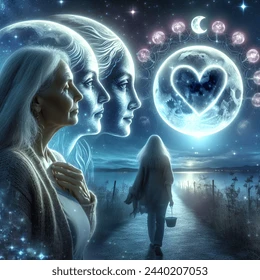
Wicca, a modern Earth-centered religion, has roots in the ancient practices of our shamanic ancestors. It emphasizes a deep connection with nature and the cycles of life, honoring both the Goddess and the God. Here, we’ll delve into some of the core practices that define Wiccan spirituality.
The Wiccan Rede and the Rule of Three
At the heart of Wiccan ethics is the Wiccan Rede, which states, “An it harm none, do what ye will.” This principle encourages Wiccans to live in harmony with others and the environment, promoting a life of kindness and respect. Complementing this is the Rule of Three, which posits that whatever energy one puts into the world—be it positive or negative—will return threefold.
Rituals and Celebrations
Wiccans celebrate the cycles of the Moon (Esbats) and the Sun (Sabbats). Esbats are monthly rituals held during the full moon, focusing on personal growth and spiritual development. Sabbats, on the other hand, mark the changing seasons and include eight festivals: Samhain, Yule, Imbolc, Ostara, Beltane, Litha, Lammas, and Mabon2.
Worship of the Goddess and the God
Wiccans honor a dual deity system: the Goddess and the God. The Goddess is often seen in three aspects—Maiden, Mother, and Crone—representing the cycles of life. The God is associated with nature and wildlife, often depicted as the Horned God or the Green Man2.
Magic and Spellwork
Magic in Wicca is about harnessing natural energies to bring about positive change. This can involve spellwork, which is performed with a clear intention and often includes tools like candles, herbs, crystals, and symbols. The practice is deeply personal and varies widely among practitioners1.
Meditation and Divination
Meditation is a common practice in Wicca, used to connect with the divine and enhance spiritual awareness. Divination methods such as tarot, runes, and scrying are also popular, helping Wiccans gain insights and guidance from the spiritual realm2.
Ecological Responsibility
Wiccans hold a strong commitment to environmental stewardship. They believe in living in harmony with nature, which includes practices like recycling, conservation, and sustainable living. This ecological consciousness is a fundamental aspect of Wiccan spirituality1.
Solitary and Coven Practices
Wicca can be practiced alone or in groups known as covens. Solitary practitioners often tailor their rituals and practices to their personal beliefs and needs, while covens provide a sense of community and shared spiritual experience.
Conclusion
Wicca is a diverse and dynamic religion that offers a rich tapestry of practices and beliefs. Whether through solitary reflection or communal celebration, Wiccans strive to live in harmony with the natural world and honor the cycles of life. This modern pagan path continues to grow, inviting more people to explore its profound connection with nature and spirituality.