
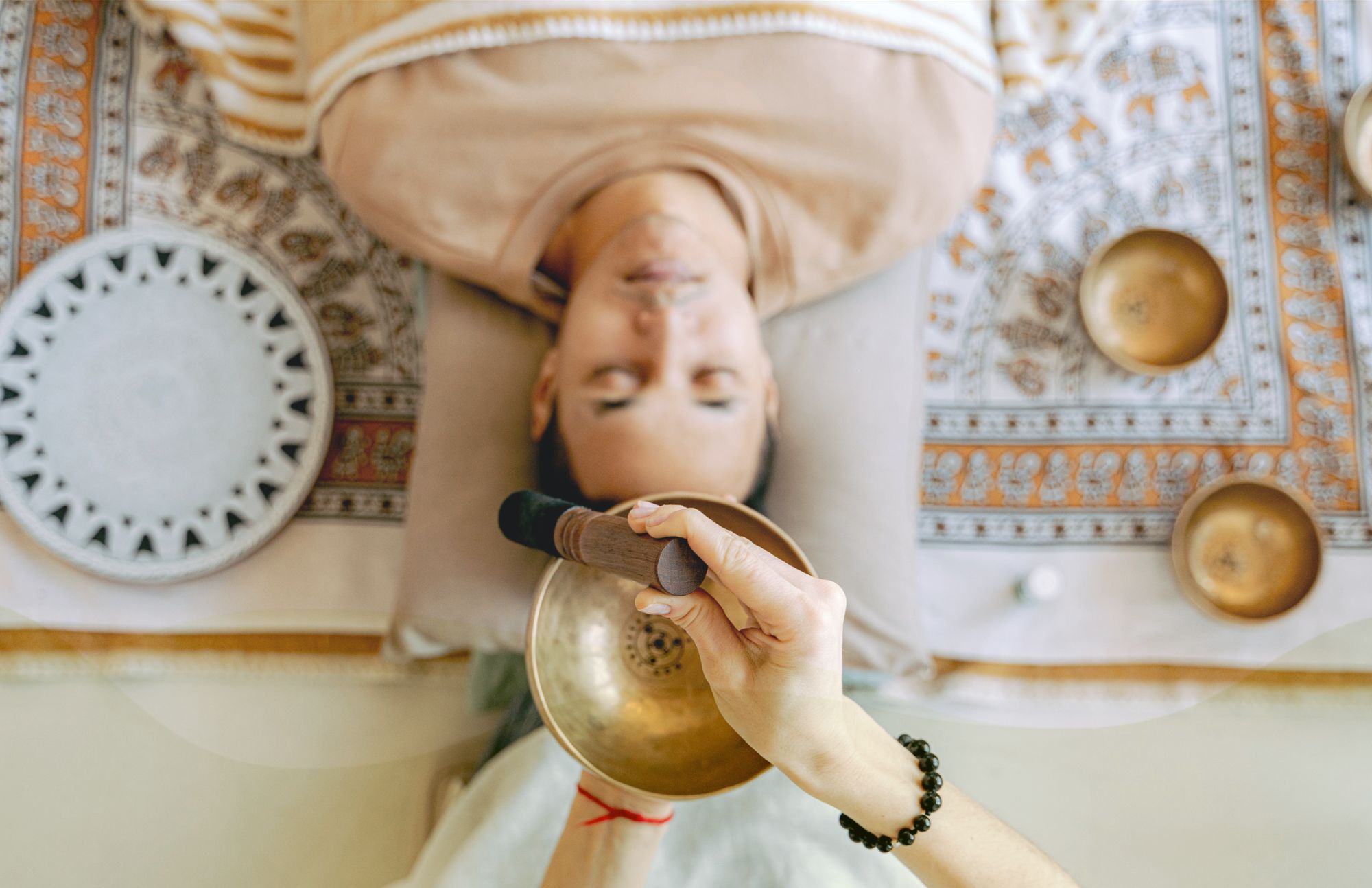
The results of a 2020 study were remarkable. All 105 participants showed better moods after a single 40-minute sound bath. Sound baths are the sort of thing I love – they’re simple yet powerful. People just lie down and listen to resonant sounds that transform their well-being.
Sound bath meditation has deep roots in ancient practices. The experience surrounds listeners with echoing tones from singing bowls, gongs, and chimes. Sound bath healing has become increasingly popular since the COVID-19 lockdowns. Many people now recognize its power to reduce stress, improve sleep quality, and boost emotional well-being.
This complete guide covers everything about sound baths. You’ll learn about the science behind their effectiveness and get practical tips for your first session. Sound bathing might be perfect for you if you’re dealing with stress, anxiety, or just curious about alternative wellness practices.
The Science Behind Sound Baths
The science behind sound bath meditation shows us some amazing things about how these ancient practices affect our brain and body. Brain analysis shows that sound frequencies can substantially change the way our minds work.
How sound affects brainwaves
Our brain’s activity happens at different frequencies that match specific mental states. These brainwaves go from delta (1-4 Hz) during deep sleep up to beta (above 13 Hz) while we’re actively thinking. Sound bath healing uses brainwave entrainment – a natural process where our brain syncs with external sound frequencies. On top of that, it creates something interesting: if you hear two slightly different frequencies in each ear – say 200 Hz in one and 210 Hz in the other – your brain creates a third 10 Hz frequency.
Impact on nervous system
Sound baths turn on our body’s “rest and digest” mode through the parasympathetic nervous system. These sound frequencies stimulate the vagus nerve to lower heart rate, reduce blood pressure, and help us relax. This kicks off a chain of physical responses that help with healing and stress reduction.
Research findings
Studies have showed some remarkable results. One key study found that people’s tension, anxiety, and physical pain scores dropped substantially after Tibetan singing bowl sessions. EEG studies have also revealed clear changes in delta brainwaves – the ones linked to deep relaxation – during sound baths. Research has also showed that sound therapy helps people with depression and anxiety especially well, as it increases alpha and reduces beta brain activity over time.
Different Types of Sound Bath Practices
Sound bath practices have grown remarkably through the centuries and blend ancient wisdom with state-of-the-art methods. We used these therapeutic sound sessions in Tibetan and Buddhist cultures, and now they provide a variety of experiences in both traditional and modern settings.
Traditional singing bowls
Traditional sound baths’ life-blood comes from two distinct types of singing bowls. Tibetan singing bowls, made from seven precious metals, create rich, multidimensional sounds. Each strike produces slightly different harmonics. These handcrafted bowls from Nepal’s Kathmandu Valley show the skill of fourth-generation masters.
Crystal singing bowls create pure, ethereal tones. These bowls, made from quartz crystal, are designed to work with different energy centers. Many practitioners combine both types in their sessions to create a complete experience.
The traditional practice has several distinctive bowl varieties:
- Jambati bowls – with wide rims for low, grounding tones
- Thadobati bowls – known for clear, high-pitched harmonics
- Mani bowls – smaller designs that create sweet, meditative sounds
- Ultabati bowls – that generate powerful, deep resonance
Modern electronic sound baths
Sound bath practices now adopt digital innovations. Online platforms provide virtual sound experiences that are available whatever your location. High-quality audio technology lets participants immerse themselves in carefully selected sonic experiences from home.
Studies comparing live versus recorded sessions show interesting results. Live bowl playing remains the preferred choice, but recorded sound baths still help people relax measurably. Modern apps and devices now deliver tailored soundscapes, and some use AI-powered technology to boost the experience.
Digital options have made sound baths more affordable. Traditional in-person sessions can cost up to $500 for an hour, but digital alternatives are often free or low-cost.
Physical and Mental Effects
Research from 2016 showed striking results about how sound bath meditation affects our well-being. The study found that participants had substantially less tension, anger, and fatigue after just one session.
Immediate responses
Sound bath experiences trigger multiple physical and emotional responses in the body. People often experience immediate physical reactions, including tingling sensations, muscle relaxation, and decreased blood pressure. The brain releases beneficial chemicals – endorphins, serotonin, dopamine, oxytocin, and norepinephrine.
Common immediate effects include:
- Reduced physical tension and joint discomfort
- Decreased anxiety and stress levels
- Improved mental clarity and focus
- Deep relaxation response
Long-term benefits
Regular sound bath sessions contribute to lasting improvements in both physical and mental health. A detailed study showed that participants aged 40-59 experienced substantial pain reduction, with average pain ratings dropping from 2.00 to 0.79.
The long-term effects extend beyond physical wellness. Research shows that sound baths can help prevent stress-related conditions because they activate the parasympathetic nervous system – our body’s natural healing mode. This activation results in reduced cortisol levels and decreased inflammation.
Clinical observations show that sound bath therapy supports overall health by promoting better sleep patterns and improved emotional regulation. These sessions create what researchers call a “deep relaxation response,” where the body enters a state of healing and restoration.
Who Should Try Sound Baths
Sound bath experiences attract people from a variety of backgrounds. We focused on those who seek relaxation and stress relief. People with open hearts and curiosity who want to connect deeper with themselves benefit most from these sessions.
Ideal candidates
Sound bath meditation works well for healthy people of all ages. The sessions show exceptional results for anyone looking to manage stress-related conditions or achieve deep relaxation. Most first-time participants report better moods and less anxiety after a single session.
When to avoid
Notwithstanding that, some people should be careful. People with tinnitus might not feel comfortable during sound baths. Sound bath meditation needs careful thought if you have:
- Severe mental health conditions
- Sound-induced epilepsy
- Acute thrombosis conditions
- Recent surgeries
Medical considerations
Some health conditions need medical clearance. Therefore, people with heart conditions, particularly those with pacemakers, should talk to their healthcare provider before joining. Pregnant women in their first trimester need their doctor’s approval.
Special attention is vital for people with metal implants or organ transplants. The practitioner should know about any existing health conditions before the session starts. Some practitioners suggest sensitive individuals should sit away from the singing bowls for a gentler experience.
Important: Sound bath facilitators cannot legally give medical advice. You should always talk to your healthcare provider about any medical conditions or concerns before trying a sound bath experience.
Conclusion
Sound baths create a remarkable blend of ancient wisdom and modern science that serves as a powerful wellness tool in our ever-changing world. Scientific research shows how they reduce stress, improve sleep, and boost overall well-being by creating measurable changes in our brainwaves and nervous system.
You can easily incorporate these sonic experiences into your wellness routine with traditional singing bowls or modern electronic alternatives. My research and hands-on experience indicate that a single 40-minute session leads to noticeable improvements in mood and relaxation levels.
The effects of sound baths run deeper than they appear. These sessions provide physical relaxation and mental clarity that prove especially valuable when you have natural stress relief needs. Note that you should check with your healthcare provider about specific medical conditions before starting your sound bath trip.
After dissecting countless studies and participant experiences, sound baths clearly deserve their growing popularity. They create a unique intersection of ancient practice and scientific validation that offers a genuine path to better physical and mental health.
FAQs
Q1. What exactly happens during a sound bath session? During a sound bath, participants typically lie down comfortably while a practitioner plays various instruments like singing bowls, gongs, and chimes. The resonant sounds create vibrations that wash over you, promoting deep relaxation and potentially altering your brainwave state.
Q2. What are the main benefits of participating in a sound bath? Sound baths can offer numerous benefits, including reduced stress and anxiety, improved sleep quality, decreased physical tension, and enhanced emotional well-being. Many participants report feeling more relaxed, focused, and balanced after a session.
Q3. Are sound baths suitable for everyone? While sound baths are generally safe for most people, they may not be suitable for everyone. Individuals with certain medical conditions, such as sound-induced epilepsy, acute thrombosis, or those with recent surgeries, should consult their healthcare provider before participating.
Q4. How does a sound bath differ from traditional meditation? Unlike traditional meditation, which often requires focused concentration, a sound bath allows participants to simply lie down and let the sounds wash over them. The vibrations and frequencies of the instruments can help guide the mind into a meditative state more easily for some people.
Q5. How long does a typical sound bath session last? A typical sound bath session usually lasts between 45 to 90 minutes. Even a single 40-minute session has been shown to produce noticeable improvements in mood and relaxation levels for many participants.