
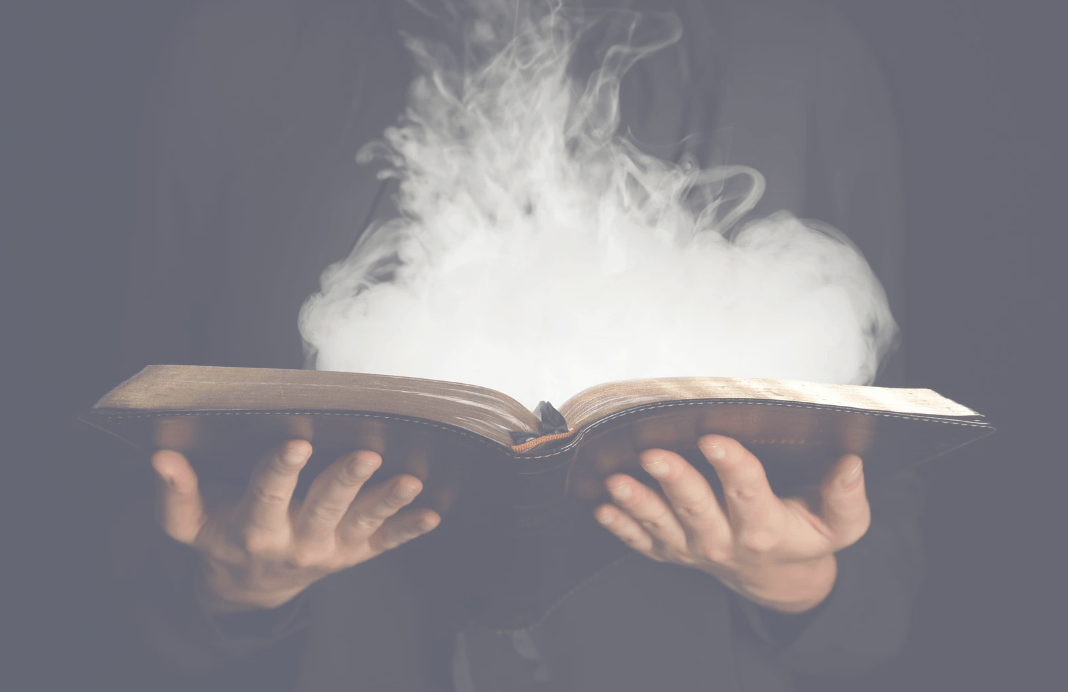
The Tree of Knowledge, a sixteenth-century Italian codex, holds 125 magic spells that serve both novice and advanced practitioners. Ancient grimoires like this one reveal everything from protection amulets to love potions. Modern learners of magic spells don’t need to travel between continents like Elisha ben Gad did from Italy to Safed.
Magic fundamentals are more available now than ever before. This piece explores everything about white magic spells and simple candle magic, with a focus on techniques that work today. You’ll learn each step of your magical experience – from creating your first altar to becoming skilled at protection spells. The guidance will help you sidestep the mistakes that new practitioners often make.
Understanding Magic Basics
“Witchcraft is not about harming others, but about finding harmony within yourself and the world.” — Danielle Dulsky, Author and artist
Magic goes beyond fantasy and Hollywood special effects. The essence of magic lies in beliefs and rituals that are used to influence natural or supernatural forces. This ancient practice has been woven into human civilization since our earliest literate cultures. These societies relied on charms and spells to make sense of nature’s forces.
What magic really is
Magic works through focused energy and clear communication. It serves as a tool that affects change based on the practitioner’s will. Real magic differs from stage illusions. It involves raising and directing energy to fulfill specific intentions. Everything contains energy – from nature to personal power – and practitioners deeply believe in this concept.
Common myths and misconceptions
Many myths cloud how beginners understand magic spells. Here are the most common ones:
- Magic needs rare or exotic ingredients to work
- You must be born into a magical family to practice
- Spells create instant, movie-like effects
- Magic must be either good or evil
These myths come from media portrayals and cultural biases rather than actual magical practices. The Christian church’s skepticism about witchcraft lasted until the 15th century. This shows how many of these myths are relatively new.
The role of intention
Intention forms the energetic heart of all magical work. Good intentions alone won’t make magic work. Practitioners must be precise in their requests and clear in their communication when creating white magic spells for beginners.
Setting magical intentions needs careful thought and exact phrasing. Many experienced practitioners write about their intended spells before major workings. This preparation helps focus thoughts and brings clarity to magical requests.
Magic needs both words and actions to bring desired outcomes to life. Showing up and performing rituals shows respect for the practice. These actions help build connections needed for magical work. Clear intention combined with dedicated action creates a foundation for effective candle magic spells for beginners and other simple practices.
Essential Tools for Beginners
Your magical workspace needs the right tools and proper planning. My recommendation is to create a dedicated space that works as your magical workbench.
Simple altar setup
The altar works as your focal point when practicing magic spells for beginners. We needed a sturdy table without wobbles and a surface just for magical work. A portable altar gives you flexibility if you need privacy or travel often – just pack your tools in a container and set up whenever needed.
Your altar’s location needs special attention. Pick a private, quiet spot where you connect best with your spiritual practice. The bedroom makes an ideal location that gives you both convenience and privacy for your rituals.
Finding your first wand
A wand is a timeless magical tool that works as an extension of your personal will. Natural alternatives work better than expensive options. The sort of thing I love is finding a wand in nature – this helps you build a deeper bond with natural forces.
A brief ritual prepares your new wand. Just hold it while you picture your energy flowing through, then speak your intention clearly. This activation creates a personal connection with your magical tool.
Candles and their meanings
Candles are a great way to get channel intentions in white magic spells for beginners. Each color has specific magical properties:
- White: New beginnings, cleansing, and connection with ancestors
- Black: Protection and releasing negative energy
- Red: Strength, courage, and passion
- Blue: Peace, healing, and wisdom
- Green: Prosperity and abundance
- Purple: Spiritual growth and psychic abilities
The candle’s size matters in candle magic spells for beginners. Like batteries, bigger candles that burn longer channel more energy toward your goal. Place candles at the back of your altar to avoid accidental burns while reaching for other items.
Cleanse your candles and set clear intentions before any magical work. The power lives not in the object but in your energy and intention you put into it.
Preparing Your Sacred Space
Sacred spaces are the foundation of practicing magic spells for beginners. A well-prepared magical workspace can boost your intentions and strengthen your connection to spiritual energies.
Choosing the right location
Your personal comfort and available space determine the perfect spot for magical practice. You should look for an area that offers both privacy and positive energy flow. Your magical sanctuary could be a corner of your bedroom, a quiet nook in your living room, or a peaceful spot in your garden.
Sunlight plays a vital role in your sacred space selection. Areas with windows let natural light energize your practice and help you stay connected to the natural world. You don’t need complete silence, but the space should be free from regular interruptions and distractions.
Sacred spaces bridge the physical and spiritual realms. The energy of the location matters – some spaces naturally work better for magical work than others. Let your intuition guide you when picking the perfect spot that appeals to your soul’s calling.
Cleansing techniques
Cleansing is a vital step after choosing your location. It removes stagnant energies and creates a pure environment for white magic spells for beginners. Here are the most effective cleansing methods:
- Smudging: Light sage or sweetgrass, allowing it to flame briefly before extinguishing. Move clockwise around your space, paying extra attention to corners where energy tends to stagnate.
- Asperging: Sprinkle consecrated water, milk, or wine along the perimeter. This liquid-based purification method works best when the liquid is charged under moonlight or infused with sacred herbs.
- Salt Cleansing: Use sea salt to purify the space, but note that you should consecrate it first as salt naturally absorbs both positive and negative energies.
- Sound Cleansing: Use bells, singing bowls, or other sound-making instruments to break up stagnant energy patterns.
Open windows and doors during cleansing to let negative energy exit. Physical cleaning should come before spiritual cleansing – dusting and sweeping help move both physical and energetic debris.
These specific times work best for cleansing:
- After negative events or arguments
- When energy feels stagnant or heavy
- Before performing any magic spells that work for beginners
- As part of regular magical maintenance
Your sacred space lives and breathes, needing regular attention. A routine for cleansing and energy maintenance will help. You’ll soon notice how a well-kept sacred space boosts your magical practice and spiritual connection.
First Steps in Spell Work
“You are the most powerful tool in your life. Use your energy, your thoughts, and your magick wisely!” — Dacha Avalin, Author of ‘Embracing Your Inner Witch: The Maidens Guide to Old World Witchcraft’
Starting your journey into spellwork needs patience and dedication. You should know that successful magic spells for beginners start with understanding the **[Law of Three](https://spells8.com/easy-spells/)** – whatever energy you send out returns threefold.
Simple protection spells
Protection spells are the life-blood of white magic spells for beginners. A simple protection spell bag needs:
- Black felt pouch
- Spearmint for psychic protection
- Wintergreen for home harmony
- Benzoin to cleanse atmosphere
- Frankincense for blessings
- Clear quartz for energy amplification
Your intention combined with the ingredients creates the power. You can place these spell bags around your home and speak words of power over each component as you put them together.
Blessing rituals
Blessing magic serves many purposes, especially protection and healing. Of course, house blessings stand as one of the most popular forms that combine banishing with protective energy. Blessings can reach beyond physical spaces – they work on objects, events, groups, and even ideas.
Your blessing ritual’s power grows with focus. The specificity of your blessing shapes its effectiveness. You can frame your desires as blessings to boost the spell’s power, whether you seek prosperity or healing.
Meditation basics
Meditation creates the foundation for all magical practices. Light a candle and state your intention to foresee guidance. Take deep breaths while closing your eyes. Regular meditation helps you build stronger connections to your inner energy and psychic abilities.
This process doesn’t need complex techniques. In stark comparison to this, you’ve already entered an altered state if you’ve experienced a daydream. The difference lies in your guidance – you actively direct the experience during meditation instead of drifting without purpose.
Magic spells that work for beginners use meditation in three significant ways:
- Training your mind for extended focus
- Teaching conscious state changes
- Increasing sensitivity to magical energies
Note that unfocused results can happen if you try spellwork without proper grounding. You should pause and try again later if you don’t feel lined up while doing any magical work.
Candle Magic for Beginners
Candle magic is one of the most available forms of spellwork that offers a perfect starting point to learn magical practices. You can use it to demonstrate your intentions and set your goals. This ancient practice combines fire’s elemental power with focused energy work.
Choosing the right candles
Your candle selection plays a vital role in spell effectiveness. Smaller candles like votives or chime candles work best for beginners because they burn completely within one to two hours. Without doubt, your candle’s size affects the spell’s power. Larger candles that burn longer channel more energy toward your goal.
These candle types serve specific purposes in simple spellwork:
- Chime candles: Perfect for quick, single-session spells
- Taper candles: Ideal for spells performed over several days
- Pillar or jar candles: Best for long-term magical work lasting a week or more
Basic candle spells
You need careful preparation and clear intention to start candle magic. The process follows these steps:
- Cleanse and Charge: Cleanse your new candle to remove lingering energies from manufacturing and shipping.
- Set Your Intention: Write your goal in a single, clear sentence. You should meditate on this intention before touching the candle.
- Dress Your Candle: Anoint the candle with oil from top to middle, then bottom to middle. This helps program your intention into the wax.
- Carving (Optional): Use a pin or ritual knife to inscribe symbols or words about your goal directly into the candle.
- Light with Purpose: Speak your intention aloud with conviction as you light the candle.
Successful spells depend on your focus throughout the burning process. Many practitioners suggest visualizing your goal’s energy expanding with the candle’s aura until it fills the room.
Safety is crucial in candle magic. You should never leave burning candles unattended and always place them on fireproof surfaces away from flammable materials. It also helps to snuff out candles rather than blow them out because this preserves the spell’s energy.
You can increase specific intentions by combining candle colors. To name just one example, pairing green and pink candles works well for self-love spells, while blue and yellow combinations bring clarity to confusing situations.
Note that candle magic, like other forms of spellwork, responds best to personal touches and intuitive adjustments. Your own style and priorities for this fundamental magical art will develop through practice and observation.
Working with Natural Elements
Natural elements are the building blocks of magical practice and provide powerful tools for those learning magic spells for beginners. The four elements—Earth, Air, Fire, and Water each carry unique energies that you can employ for specific magical purposes.
Earth magic basics
Earth magic connects practitioners with stability and material abundance. The North direction links to Earth energy, which corresponds with:
- Physical realm: Trees, rocks, soil, and crystals
- Body connection: Root chakra and physical form
- Colors: Green and brown tones
- Natural tools: Stones, salt, plants
You need grounding techniques to work with Earth magic. Time spent outdoors barefoot or crystal work helps establish this connection. Creating an herb garden or caring for indoor plants can strengthen your Earth magic practice.
Water rituals
Water magic connects with emotional healing and intuitive powers. Water governs feelings, psychic abilities, and purification from its position in the West. Different types of water carry unique magical properties in water rituals. Storm water boosts personal power, while ocean water excels in protection and cleansing work.
Sacred wells and springs hold special significance in water magic. These sources connect practitioners with local deities and land spirits. Moon phases affect water’s magical potency during water rituals, making timing a vital factor.
Air and fire safety
Air and Fire elements just need careful handling because of their volatile nature. Air rules the East and influences communication and intellectual pursuits. Fire governs the South and brings transformation through its intense energy.
Safety remains paramount in Fire magic work. Some practitioners might skip precautions, but proper fire safety protocols protect both the practitioner and sacred space. Fire magic commands respect—its raw power creates or destroys based on how you manage it.
Elements interact with each other in specific ways. Air fuels Fire’s flames or extinguishes them. Air carries Water as clouds and humidity, which creates powerful combinations for magical work. Knowledge of these relationships helps you blend elemental energies in your spellwork.
Your altar should represent all four elements to get the best results in beginner magic spells. This practice keeps balance and shows gratitude for each element’s contributions. Regular elemental work develops deeper connections to natural forces and enhances magical practice and spiritual growth.
Common Beginner Mistakes
Learning the craft requires you to understand common pitfalls that many practitioners face. You should recognize these mistakes to prevent setbacks in your magical experience, along with mastering the simple concepts.
Timing errors
The right timing is vital to magical success. Many newcomers don’t realize how important celestial and natural cycles are. The temporal model of magic suggests that planetary arrangements and celestial positions substantially influence spell outcomes.
New practitioners make two critical timing mistakes:
- They rush into spells without thinking over moon phases
- They ignore planetary hours and their magical correspondences
Dawn brings gentle renewal energies, and noon carries passionate creative forces. Dusk ended up offering mysterious connections to the otherworld, making it perfect to reflect on your work. Some people promote the idea that spells affect outcomes whatever the timing.
Focus issues
New magic practitioners find it hard to maintain proper concentration. Yes, it is challenging for many to develop mental discipline, which you just need for successful spellcasting.
New practitioners get distracted by flashy or unlikely combinations instead of focusing on practical magical work. They might also chase improbable game plans that drain energy and resources. Strong meditation practices and realistic goals can solve these problems.
Emotional transparency creates another focus-related challenge. Practitioners who wear their hearts on their sleeves give away valuable information to others. Your magical work stays protected when you learn to control your emotions.
Safety oversights
Safety covers both physical and magical aspects of spellwork. Some practitioners believe protection measures limit their magical potential. The Committee of Spellshaping guidelines show that fewer safety conditions make spells riskier with more accidental discharges.
Physical safety deserves extra attention when working with candles and fire elements. Magical safety needs proper grounding and protection protocols. Experienced practitioners suggest these safety measures:
- Don’t try spells beyond your current skill level
- Keep proper protective barriers during rituals
- Write down all magical workings in a spell journal
- Test new techniques step by step
Chump blocking, which means sacrificing smaller energies too soon, creates weak spots in your magical practice. You’re less likely to walk into magical traps when you respect traditional safety protocols.
The temporal model indicates that magic can’t produce miracles, but understanding the right moments helps bend probabilities toward desired outcomes. Your magical practices grow stronger when you pay attention to timing, focus, and safety to avoid these common pitfalls.
Building Your Practice
A dedicated magical practice needs commitment and good documentation. Your magical trip as a beginner becomes a lifelong pursuit with careful record-keeping and smart planning.
Creating a spell journal
A spell journal acts as your personal magical archive that documents experiences, insights, and outcomes of your practice. This journal becomes your most valuable tool to track daily magical activities and store spell modifications and results.
Your journal should include:
- Spell descriptions and modifications
- Results and observations
- Emotional states during spellwork
- Timing of magical workings
- Insights and realizations
Detailed records help you spot patterns in your practice and refine your techniques. You should note both successes and apparent failures while documenting spells because these records often reveal valuable lessons about your magical development.
Setting realistic goals
Your growth as a practitioner depends on setting achievable magical goals. Successful goal-setting breaks larger objectives into manageable steps while keeping realistic expectations about outcomes.
You must think about your current abilities and desired outcomes to establish magical goals. Smaller, achievable goals build confidence and keep motivation high in the beginning. To cite an instance, you should master a simple protection spell before trying complex ritualistic work to progress steadily in your practice.
Everything in developing your magical practice includes:
- Consistency Over Perfection: Regular practice strengthens your magical abilities, even on challenging days
- Flexible Adaptation: You can create shorter versions of your practice when time or energy runs low
- Progress Documentation: Detailed journal entries track your development
- Intention Clarity: Clear purpose in your magical work keeps motivation strong
- Practice Development: Let your magical work grow and change as you gain experience
Your magical practice should match your natural abilities while pushing you to grow. You can review your journal entries to spot patterns and adjust your approach when facing difficulties. Your practice becomes a powerful tool for personal and spiritual development through consistent documentation and realistic goal-setting.
Note that magical development follows its own timeline. You will find success by staying dedicated to your practice while remaining open to learning and growth. A strong foundation for your magical trip comes from combining careful documentation with achievable goals.
Conclusion
Magic spells can feel overwhelming at first, but you need patience, dedication, and proper guidance to become skilled at them. Throughout my magical experience, I’ve learned that success comes from starting small and building a strong foundation with consistent practice.
Magical work needs respect for traditional safety protocols while leaving room for personal growth and adaptation. Ancient grimoires are a great way to get knowledge, and modern practitioners can blend time-tested wisdom with practical approaches that suit contemporary life.
Your magical experience begins with simple principles, proper protection, and a consistent practice routine. Trust your intuition as you progress and keep detailed records of your work. Many beginners rush into complex spells, but mastering fundamentals like candle magic and elemental work creates lasting power in your practice.
Magic is a deeply personal path where you can find growth. Take time to build your unique connection with magical energies, knowing that true power comes from within. Start your practice with simple protection spells today and build toward more complex workings as your confidence and abilities grow.
FAQs
Q1. How do I start practicing magic as a beginner? Start by learning the basics of magic, including grounding techniques, protection spells, and simple candle magic. Focus on developing a consistent practice, keeping a spell journal, and setting realistic goals. Remember to always prioritize safety and respect traditional magical protocols.
Q2. What are some essential tools for beginner witches? Essential tools for beginners include a basic altar setup, candles of various colors, a wand (which can be found in nature), and common household herbs like salt, basil, and cinnamon. However, the most important tool is your intention and focus.
Q3. How important is timing in spellwork? Timing can play a significant role in the effectiveness of spells. Consider moon phases, planetary hours, and natural cycles when planning your magical work. However, some practitioners believe that a spell’s power comes more from the practitioner’s intention and focus than from precise timing.
Q4. What are some common mistakes beginners make in magic? Common mistakes include rushing into complex spells without mastering the basics, neglecting protection and grounding practices, failing to maintain focus during spellwork, and not keeping detailed records of magical workings. It’s also important to set realistic expectations and avoid overreliance on exotic ingredients.
Q5. How can I cleanse my sacred space for magical practice? There are several effective cleansing techniques for your sacred space. These include smudging with sage or sweetgrass, using sound (like bells or singing bowls), sprinkling consecrated water or salt, and performing a thorough physical cleaning. Regular cleansing helps maintain positive energy in your magical workspace.
Show facts