
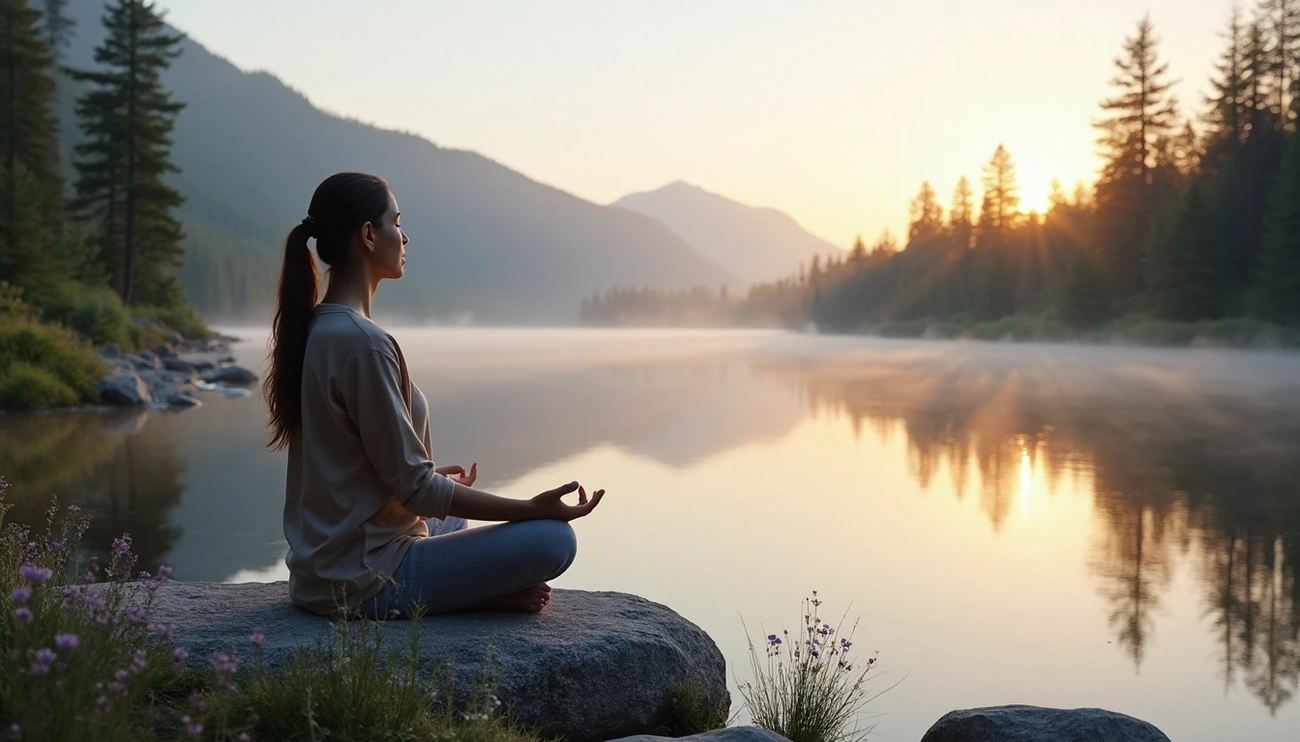
Modern research confirms a deep connection between mental health and spirituality. Most adults who face severe mental illness report strong spiritual and religious beliefs. Research shows these beliefs and practices lead to better mental, physical, and social health outcomes. Spirituality also links to fewer suicides and less depression, which shows its power in recovery.
People who take part in spiritual practices tend to have less stress, anxiety, and depression. A research study of 595 students found that spiritual practices and healthy behaviors improve psychological well-being. Psychology defines spirituality through six main themes: Meaning-making, Identity, Service-provision, Talk about it, Interaction with symptoms, and Coping (MISTIC). Healthcare professionals recognize the link between faith and mental health. About 45% of doctors and 56% of nurses believe they should screen patients for spiritual needs. Spirituality offers more than emotional support. It gives people purpose, resilience, and hope to face life’s challenges, especially those with chronic illnesses.
What Is Spirituality in Psychology?
Psychology now recognizes spirituality as a vital part of mental wellness. This deeply personal dimension shapes human experience in countless ways. The relationship between spirituality and mental health deserves a closer look beyond just research validation.
Defining spirituality beyond religion
Spirituality means different things to different people. It includes many beliefs, practices, experiences, and points of view that go far beyond religious expression. People often search for meaning, purpose, and connection to something greater than themselves [1]. Religious institutions provide structured belief systems, but spirituality remains more personal and self-defined [2].
These days, many people call themselves “spiritual but not religious.” This trend shows how people find spiritual fulfillment outside organized religion [3]. Research shows that while religious affiliation drops in industrialized countries, spiritual identification stays strong or grows [3]. People still need what spirituality provides, regardless of their religious background.
Spirituality boils down to “the diverse and personal ways people seek meaning, purpose and connection in their lives” [2]. This definition shows both its personal nature and universal appeal. The difference matters because spirituality helps people exceed ego-separateness and promotes connection, while religion often supports and comforts the ego [4].
The psychological dimensions of spiritual experience
Spiritual experiences create unique patterns in our thoughts and emotions. Yale University brain imaging studies showed something interesting. During spiritual moments, activity decreased in the inferior parietal lobe—the brain area that handles self-representation in space and time [5]. This change suggests that spiritual experiences might temporarily dissolve our usual sense of self and create deeper connections [5].
Spiritual experiences typically show these psychological aspects:
-
Transcendence: The feeling of connecting with something beyond ordinary awareness
-
Mindfulness: Cultivating present-moment awareness through contemplative practices
-
Meaning-making: Finding purpose and significance in life events
-
Ethical framework: Developing principles for compassionate living
-
Community connection: Building supportive relationships with like-minded individuals
Transpersonal psychology (or spiritual psychology) studies “the exploration of the nature, varieties, causes, and effects of ‘higher’ states of consciousness and transcendental experiences” [6]. This field treats spirituality as a legitimate area of study rather than dismissing it as purely subjective.
Spiritual psychology blends ancient wisdom with modern therapy. It sees everyone as “part of an interconnected system” and looks at mental health through a non-dualistic lens [6]. This approach gains popularity as psychology moves beyond materialistic views.
Spirituality and wellness: a holistic view
Spirituality helps wellness in several ways. People use spiritual practices to cope with stress, grief, or hard times [1]. These practices buffer stress, create hope, and offer new ways to view illness [2].
Studies reveal multiple benefits of spirituality. Meditation increases gray matter in the brain, which helps reduce pain sensitivity, stress, anxiety, depression, and promotes relaxation [1]. People who follow spiritual traditions often make healthier choices—they smoke and drink less, wear seat belts more, and take better care of themselves [1].
A comprehensive view of wellness puts spirituality alongside physical, mental, and social health. Spiritual wellness strengthens the mind-body connection and supports physical health [1]. It builds emotional strength, helps find meaning in tough times, and keeps life’s challenges in perspective.
Psychologists don’t try to prove religious ideas. Instead, they learn how spiritual beliefs and practices affect mental health [3]. This approach sees spirituality as a way people make sense of life experiences—from love to loss, success to injustice [7]. Adding spirituality to therapy helps it work better for spiritual clients [3].
Humans naturally ask big questions about life and seek connections beyond themselves. Psychology now embraces this part of human experience, opening new paths to healing and growth.
Ancient Wisdom Traditions and Mental Health
Ancient wisdom from different parts of the world gives us deep insights into mental wellbeing. These insights work alongside modern psychology and make it even better. Long before today’s psychology existed, these wisdom traditions had already figured out complex ways to understand how our mind, body, and spirit connect.
Ayurveda and the mind-body-spirit connection
Ayurveda, India’s 3,000-year-old medical system, shows us how everything in our body works together. Unlike Western medicine that often separates mind from body, Ayurveda sees them as one connected system. This ancient practice focuses on balancing three doshas—Vata, Pitta, and Kapha—that affect both our physical and mental states.
Each dosha controls specific mental and emotional patterns. A balanced Vata (air and ether) helps creativity, enthusiasm, and flexibility. When it’s out of balance, you might feel anxious, fearful, and have trouble sleeping. Pitta (fire and water) in balance brings clarity, confidence, and helps you make quick decisions. An upset Pitta can make you angry, irritable, and impatient. Kapha (earth and water) gives you emotional strength and peace when balanced. An unbalanced Kapha often brings tiredness, depression, and heaviness.
Ayurveda also uses Triguna theory to explain our mental states through three qualities: Sattva (clarity, wisdom, peace), Rajas (activity, restlessness), and Tamas (inertia, confusion). Ayurvedic psychology wants to build Sattva by balancing Rajas and Tamas through lifestyle changes, diet, and meditation.
Yes, it is amazing how Ayurveda knew that too much Vata anxiety could cause digestive problems, while excess Pitta anger often leads to inflammation.
Taoist and Confucian views on emotional balance
Taoism offers powerful ways to handle emotions and find mental peace. Wu Wei (“effortless action”) sits at the heart of Taoist thinking. This idea suggests we should act naturally and avoid unnecessary stress.
Taoists believe “you can’t change what you don’t understand.” They stress how important it is to name and identify your emotions correctly. One powerful Taoist teaching states: “You are the creator of your emotional feelings, not the victim of them.” This viewpoint shows that our thoughts and core beliefs create our emotional states.
Taoists see emotions as signs of how well we connect with our Shen (inner spirit) and the universe. Good emotions show we’re on the right path, while negative ones tell us something’s wrong.
Confucianism takes a more social approach to mental wellbeing. The Zhongyong (“Doctrine of the Mean”) helps maintain a peaceful mind and reduces depression symptoms. Research shows people who believe strongly in Confucian work values handle stress better.
All the same, Confucian ideas affect mental health in complex ways. They protect us through social bonds, but Confucian ideas about respecting parents can sometimes create shame and guilt when we don’t meet cultural expectations. This might lead to depression.
Greek philosophy and the soul’s harmony
The ancient Greeks, especially Plato, had a deep understanding of mental health based on harmony within the soul. Plato saw the soul (psyche) in three parts:
-
The logistikon (reason) in the head controls rational thought
-
The thymoeides (spirit) near the chest connects to emotions like anger and courage
-
The epithymetikon (appetite) in the stomach links to desires and physical needs
Plato believed good mental health came when these three parts worked together properly, with reason guiding spirit and appetites. A just soul meant each part did its job without getting in others’ way. This matched his idea of justice in society, where different groups (rulers, military, citizens) each had their proper roles.
The Greeks saw the soul differently than later supernatural ideas. They took a natural approach, seeing the soul as part of the natural world—like how we think about consciousness today—rather than something separate from physical reality.
These ancient wisdom traditions still offer valuable lessons that enhance modern psychological approaches to mental health and spirituality.
Spirituality vs Religion: Why the Distinction Matters
The way belief systems shape our inner world shows itself in intricate but meaningful patterns. The difference between spirituality and religion goes beyond academic interest. It shapes our approach to mental health and psychological wellness.
Personal vs institutional belief systems
People often use religion and spirituality interchangeably, but they represent two different ways to connect with something bigger than ourselves. Religion works as a system that’s 15 years old with structured beliefs, formal rituals, official doctrines, leadership hierarchies, and defined behaviors [8]. Philosopher William James noted that organized religion stands “distinct from and secondary to religion in and of itself.” It covers “worship and sacrifice, procedures for working on the deity, theology, ceremony and ecclesiastical organization” [8].
Spirituality takes a broader view. It focuses on a personal journey to understand life’s big questions, find meaning, and build a relationship with the sacred that exceeds ordinary experience [9]. This difference lets people stay deeply spiritual with little religious involvement [9].
Language has evolved too. Many Western Europeans now embrace “spirituality” but distance themselves from “religion” [10]. This change reflects new attitudes toward authority, with these numbers:
-
65% of Americans call themselves “religious and spiritual“
-
15-20% say they’re “spiritual but not religious”
-
5-10% identify as “religious but not spiritual”
-
5-10% say they’re “neither religious nor spiritual” [11]
The main difference comes down to freedom. Spirituality lets individuals define and connect to the sacred their way. Religion offers established beliefs, dogmas, and intermediaries between people and divine guidance [12]. To cite an instance, spirituality asks people to look inward and explore, while religion needs belief in established doctrines [12].
Religion also works through community systems with shared rituals and practices. Spirituality emphasizes inner connection and personal growth [13]. This matters especially in therapy, where understanding a client’s relationship with belief systems affects treatment choices and results.
How each influences mental health differently
Religion and spirituality affect mental health in different ways. Research shows religion can help mental health by offering community support, moral guidance, and structured practices. Studies prove religious involvement reduces suicide rates, alcoholism, and drug use [13].
But the relationship has nuance. Negative religious coping (anger at God or feeling abandoned), rejection from religious groups, or lost faith relates to higher depression scores [14]. Researchers point out that knowing someone prays or goes to church isn’t enough. “Measures of religious coping should specify how the individual uses religion to understand and handle stressors” [14].
Spirituality works differently on mental health. It encourages authentic self-expression and emotional honesty through internal authority and personal exploration [3]. By choosing compassion over judgment, spirituality often builds self-acceptance and lowers anxiety about perceived failures [3]. It helps people process tough experiences while staying aware through challenges, leading to greater wisdom and resilience [3].
Religion that focuses only on external authority without spiritual growth might hurt mental health. Religious teachings based on judging yourself and others can damage self-esteem and suppress parts deemed unworthy [3]. Religions that discourage internal authority for complete external guidance might undermine psychological independence [3].
These differences between spirituality and religion matter to mental health professionals. Psychologists now create various spiritually integrated treatments, including forgiveness programs for divorced people, spiritual resources for eating disorder recovery, and reconnection approaches for substance abuse [15]. Research proves these spiritual approaches work as well as other treatments [15].
Most importantly, people want to talk about faith in psychological treatment [15]. Mental health professionals now recognize spirituality’s role, unlike earlier psychological traditions that dismissed religious experience as irrational or unhealthy [14].
Benefits of Spirituality for Mental Health
Scientific research continues to show strong evidence that spirituality boosts our psychological wellbeing. Recent studies have documented real benefits that spiritual practices and beliefs bring to mental health.
Improved emotional resilience
Spirituality acts as a powerful tool to build resilience – knowing how to bounce back from life’s inevitable challenges. Research shows that people who practice spirituality develop stronger internal resources to guide them through hardships. These practices help people become more resilient when facing adversity and create opportunities to grow their ability to overcome difficulties [5].
Spiritual frameworks provide protection against life’s stresses [5]. This happens in part because spiritual resilience combines internal resources (beliefs, strengths, values) with external support to maintain our sense of self, meaning, and purpose during challenges [2].
These protective benefits become clear during major life changes. Research shows that spirituality helps people make sense of adversity while providing comfort and emotional support [5]. This explains why spirituality works as a basic character strength and vital factor in positive development [7].
Greater sense of purpose and meaning
Spirituality’s most important contribution to mental wellbeing lies in how it helps create meaning. Your spiritual beliefs shape your sense of purpose and meaning – they define what gives your life value and worth [16].
Research reveals that people with clear spiritual direction thrive in personal relationships and self-esteem [4]. Spirituality helps people understand difficult life events, which becomes especially valuable during crises that challenge traditional ways of seeing life [17].
The numbers tell a compelling story – 80% of people discover their purpose through spirituality, making them feel up to 40% happier [4]. This link between purpose and happiness makes sense, as spirituality lets people create meaningful stories that include even traumatic experiences [17].
Spirituality also helps with finding inner peace, purpose, and forgiveness [16]. People with deeper spirituality report better confidence, self-esteem, and self-control, along with more peace, hope, and meaning in their lives [16].
Lower rates of anxiety and depression
The clearest benefit of spirituality shows in reduced mental health symptoms. A review of 102 studies with nearly 79,000 participants found that high religious/spiritual involvement linked to fewer anxiety and depression symptoms [17].
The results stand out:
-
Spiritual practices cut anxiety by about 25% and depression by 30% [4]
-
People with strong spirituality, deep religious beliefs, and religious connections show fewer signs of depression [17]
-
Regular church attendance reduces the risk of developing depression over time [17]
People who deeply connect with spirituality experience less anxiety and depression while enjoying better life quality [17]. Studies indicate that spirituality’s benefits grow stronger in groups focused on developing the human mind and spirit [7].
The protection extends to addiction too. Personal spirituality – when someone considers their spiritual life very important – reduces the risk of drug or alcohol addiction by 80% [18].
These benefits grow when spiritual practices blend with mental health treatments. Spiritually Enhanced Cognitive Behavior Therapy combines spiritual values with cognitive therapy and focuses on four areas: acceptance, hope, meaning and purpose, and forgiveness [16]. This combination lets people use their spiritual resources while getting help from proven psychological methods.
Spiritual Practices That Support Mental Wellness
People throughout history have developed spiritual practices as practical tools to nurture mental wellbeing. Modern research validates what ancient traditions taught us – contemplative activities affect our psychological health in measurable ways.
Meditation and mindfulness
The brain and nervous system undergo real changes through mindfulness practices that reduce psychological distress. Research shows how meditation helps people cope with stress, depression, addiction, and anxiety [19]. People who practice meditation become more aware of their thought patterns. This awareness lets them spot early signs of mental health problems and respond better.
The physical benefits stand out too. Regular contemplative practice shifts our baseline stress levels. This makes deep rest and non-rapid eye movement sleep come more naturally—the most restorative stage for physical and psychological health [1]. Meditation also:
-
Boosts memory and attention span
-
Strengthens willpower and emotional control
-
Decreases pain sensitivity
-
Reduces blood pressure
Studies show mindfulness-based approaches work just as well as evidence-based therapies like cognitive behavioral therapy to treat anxiety and depression [20].
Prayer and contemplation
Prayer, what some call “the essence of religion,” exists in every human culture throughout history [21]. Prayer lets people communicate with the divine, share their worries, connect with others, and see reality from new angles.
The body responds to prayer with a lower heart rate, relaxed muscles, and slower breathing [21]. Research found people who repeated prayers naturally slowed their breathing to six breaths per minute—a rhythm linked to better health [1]. Prayer also calms the sympathetic nervous system while boosting parasympathetic activity (opposite to fight-or-flight) [21].
Prayer gives structure, meaning, and hope by changing how people view stressful events [21]. Many find it helps them process life events and handle challenges. Nearly 90% of Americans turned to prayer after 9/11, showing how widely people use it to cope [22].
Journaling and self-reflection
“Therapy you can afford” describes journaling well. This available tool helps process thoughts, emotions, and spiritual insights [6]. Each pen stroke helps people learn about life’s mysteries and creates a record of their spiritual experience.
Mental health benefits of journaling are clear. Studies show it reduces depression and anxiety symptoms, especially when people write about positive emotions [23]. A study of 70 adults with medical conditions showed that writing about good experiences for 12 weeks led to less distress and better wellbeing [23].
Journaling creates quiet moments to encounter the divine and express thoughts to a higher power [6]. Regular writers say they hear their “inner voice” better and feel more connected to divine wisdom [24].
Nature immersion and silence
Nature immersion meditation means being fully present in natural surroundings—not just outdoors but mindfully engaging with nature [25]. This practice helps people unplug from technology and reconnect with the natural world through their senses.
Multiple factors create these benefits. Natural environments offer safe spaces that trigger security through sensory elements [1]. Trusted companions often share these settings, building social safety [1]. Time in nature reduces troubling thoughts while making people more aware of their bodies [1].
Quiet reflection supports mental wellness by creating room for inner change. Silence lets thoughts settle and the “soul to breathe” in our noisy world [26]. Regular quiet time improves intuition, emotional control, and creates chances for deeper spiritual connections [26].
Spiritual Struggles and Psychological Distress
Religious practices can bring many benefits, but they sometimes create psychological distress instead of peace. Research shows a complex link between religion and anxiety, with studies giving mixed and contradictory results [14].
When faith becomes a source of guilt or fear
Religious beliefs don’t always provide comfort. They can make people feel guilty and scared. People who feel God has abandoned or punished them tend to have worse mental health [27]. Studies show that spiritual difficulties often lead to more depression, thoughts of suicide, and PTSD symptoms [28].
These effects vary a lot from person to person. Strong religious beliefs help some people deal with life’s big questions. Others with weaker faith or those who question their beliefs feel more anxious [14]. This shows how spirituality can both help and hurt at the same time.
Scrupulosity and obsessive spiritual thoughts
Scrupulosity is a special type of OCD that focuses on religious or moral obsessions [29]. People with this condition worry too much about breaking religious or moral rules.
The symptoms show up in many ways. People might have unwanted blasphemous thoughts, confess too often, keep asking religious leaders for reassurance, and treat optional religious activities as must-do tasks [29]. This behavior goes beyond normal religious practice and often focuses too much on certain areas while ignoring others.
OCD affects about 2.3% of Americans during their lifetime [30], and scrupulosity makes up a big part of these cases. People with this condition suffer deeply. They feel like “spiritual pebbles” constantly irritate their minds [30].
Navigating spiritual trauma
Religious trauma can hit mental health hard and lead to anxiety, depression, and even PTSD [31]. About one-third of Americans face harmful religious experiences that cause trauma [32].
Trauma survivors often show their spiritual struggles in different ways. They might feel God has abandoned or punished them, or they find it hard to forgive [33]. These challenges can make PTSD symptoms worse and reduce their religious involvement [33].
Recovery needs both clinical and spiritual help [34]. The best approaches give people space to ask spiritual questions without judgment. They also help people tell the difference between unhealthy religious practices and spiritual connections that might help them [35].
Modern Psychology Embracing Spiritual Tools
Modern psychology now recognizes the value of ancient spiritual practices and includes them in evidence-based treatments. This radical alteration shows a major rise from earlier psychological views that looked at spirituality with doubt.
Mindfulness-based cognitive therapy (MBCT)
John Teasdale, Zindel Segal, and Mark Williams developed MBCT by combining mindfulness training with cognitive therapy principles to prevent major depression relapse [36]. Their approach helps people notice mood changes without judgment or reaction and teaches them to break free from negative thinking patterns [37]. MBCT follows an 8-week group format like mindfulness-based stress reduction and has showed remarkable success in lowering relapse rates for people with major depression [36].
Studies suggest MBCT works best for people with the highest relapse risk, especially those who have experienced four or more depressive episodes [36]. The treatment also reduces current acute depression symptoms effectively [36]. MBCT uses several methods including the three-minute breathing space (awareness of current state, breath focus, expanded attention), body scan exercises, mindful stretching, and daily mindfulness [37].
Religiously-integrated CBT
Religiously-integrated cognitive behavioral therapy (RCBT) offers an innovative approach that uses a client’s religious tradition to identify and replace unhelpful thoughts [38]. The treatment keeps conventional CBT principles while adding the patient’s religious beliefs and practices [39].
Practitioners have adapted RCBT for many faiths, with specific manuals now accessible to Christian, Jewish, Muslim, Hindu, and Buddhist practitioners [40]. Clinical trials have showed that RCBT matches standard CBT’s effectiveness for treating major depression, particularly among deeply religious clients [41]. The approach encourages people to use religious resources such as meditation, community support, religious literature, and service to others [38].
12-step programs and spiritual surrender
Spiritual surrender serves as the life-blood of 12-step recovery programs that want to spark spiritual awakening [42]. Research identifies spirituality as a key factor explaining 12-step benefits. Five out of six studies reveal that spirituality helps explain the connection between AA participation and increased abstinence [42].
The surrender process teaches people to acknowledge they cannot control situations alone and turn to a “higher power” for help [43]. Surrender doesn’t mean giving up – it means accepting that some things remain beyond our control [44]. Researchers have found that spiritual awakening in these programs associates with reduced craving and better treatment outcomes [45]. Studies clearly show that a stronger sense of purpose – often developed through spiritual practice – leads to longer periods of sobriety [46].
Assessing and Integrating Spirituality in Therapy
Mental health care professionals now recognize the vital role of spirituality in patient treatment. Research shows that most patients believe their religious and spiritual practices contribute to better mental health. About 65% of patients say spiritual beliefs and practices enhance their psychological wellbeing [47].
Spiritual health assessments in clinical settings
Therapists use clinical spiritual assessments to understand how patients make sense of their world and find ways to cope. Several tools help with these evaluations. The HOPE questions (sources of Hope, Organized religion, Personal spirituality, Effects on medical care) create a comfortable conversation without jumping straight into religious terms [48]. The FICA tool (Faith/belief, Importance, Community, Address in care) helps gather spiritual history through questions like “Do you consider yourself spiritual?” and “How would you like me to address these issues in your healthcare?” [49].
Therapists usually start these assessments during intake among other psychosocial factors. When spirituality proves most important, they can do detailed evaluations using spiritual histories, lifemaps, genograms, or eco-maps to explore the patient’s experience [50].
Therapist-client conversations about belief systems
Many therapists feel unsure about discussing spirituality, even though patients want to talk about it. Research shows 58.9% of patients believe therapists should know how to discuss their religion/spirituality [51]. Yet more than half of mental health providers say they received minimal or no training in this area [47].
The first conversation about spirituality starts with basic questions: “Do religious or spiritual beliefs play a role in your life?” [52]. Therapists can help patients throughout treatment to:
-
Consider how spiritual support systems might help them
-
Explore the spiritual meaning of current life situations
-
Identify potential spiritual resources [47]
Collaborating with spiritual leaders
Therapists should cooperate with spiritual advisors when issues go beyond their expertise. They need to be ready to refer to, consult with, or work alongside other clinicians who specialize in this intersection [53].
This partnership benefits everyone involved—therapists provide psychological tools while faith leaders offer theological guidance. Together, they create a support system that addresses both clinical and spiritual needs [54].
Conclusion
Spiritual practices have shown paths to psychological wellbeing since ancient times, well before psychology became a formal discipline. Ancient wisdom traditions knew what science now proves – our mental, physical, and spiritual dimensions work together as connected parts of human experience. Spiritual practices such as meditation, prayer, journaling, and nature connection help build emotional resilience, create meaning, and reduce symptoms.
Mental health practitioners must understand how spirituality differs from religion. People who explore spirituality often express themselves more honestly and show their emotions freely. Religious communities provide support systems and moral guidance. Both paths can improve wellbeing when they match someone’s needs, though each affects mental health differently.
Psychology’s relationship with spirituality shows a remarkable transformation. Earlier generations of mental health professionals often dismissed spiritual experiences as unimportant or problematic. Today’s evidence-based treatments like Mindfulness-Based Cognitive Therapy and Religiously-Integrated CBT include spiritual elements that prove their therapeutic worth.
Patients benefit greatly from this merger, especially those who see spirituality as core to who they are. Research shows how spiritual practices help reduce anxiety, ease depression, add meaning, and strengthen resilience during tough times.
We must also recognize spirituality’s complex nature. Belief systems that comfort many people can create guilt, fear, and trauma for others. Mental health professionals need proper training to direct these delicate situations and know when spiritual practices help or harm.
The connection between ancient wisdom and modern psychology will grow stronger. Their union offers a deeper understanding of human experience that honors our search for meaning alongside our biological and psychological needs. These approaches create an integrated system that tackles human suffering and potential fully. This joining might be our best chance for complete healing in our complex world.
FAQs
Q1. How does spirituality differ from religion in terms of mental health benefits? Spirituality focuses on personal exploration and connection, often promoting self-acceptance and resilience. Religion typically offers structured beliefs and community support. Both can positively impact mental health, but through different mechanisms.
Q2. What are some spiritual practices that can improve mental wellbeing? Meditation, mindfulness, prayer, journaling, and nature immersion are spiritual practices shown to reduce stress, anxiety, and depression while enhancing emotional resilience and overall wellbeing.
Q3. Can spirituality ever negatively impact mental health? Yes, in some cases spiritual beliefs can lead to guilt, fear, or obsessive thoughts. Negative religious coping or spiritual trauma may exacerbate mental health issues. It’s important to approach spirituality in a balanced, healthy manner.
Q4. How are modern psychological treatments incorporating spiritual elements? Many evidence-based therapies now integrate spiritual components. Examples include Mindfulness-Based Cognitive Therapy (MBCT), religiously-integrated CBT, and 12-step programs that emphasize spiritual principles in addiction recovery.
Q5. Should therapists discuss spirituality with their clients? Many clients consider it important for therapists to address spirituality. Therapists can explore how spiritual beliefs impact a client’s worldview and coping strategies. When needed, collaboration with spiritual leaders can provide comprehensive support.
References
[1] – https://www.psychologytoday.com/us/blog/the-pursuit-of-peace/202401/how-contemplative-practices-promote-health-and-well-being
[2] – https://www.psychologytoday.com/us/blog/flourish-and-thrive/202311/are-resilience-and-spirituality-connected
[3] – https://www.psychologytoday.com/us/blog/traversing-the-inner-terrain/201912/religion-vs-spirituality
[4] – https://esoftskills.ie/finding-purpose-through-spirituality/
[5] – https://pmc.ncbi.nlm.nih.gov/articles/PMC7743140/
[6] – https://www.spiritualityhealth.com/spiritual-benefits-of-journaling?srsltid=AfmBOoqSEgpaKn7Q1aD1IN-zY22Ay1yMcDCW3AXipQnHQe19NkPn_ffx
[7] – https://www.frontiersin.org/journals/psychology/articles/10.3389/fpsyg.2020.01997/full
[8] – https://en.wikipedia.org/wiki/Organized_religion
[9] – https://pmc.ncbi.nlm.nih.gov/articles/PMC8462234/
[10] – https://www.academia.edu/31642342/Individualised_versus_Institutional_Religion_Is_There_a_Mediating_Position
[11] – https://www.bgsu.edu/arts-and-sciences/psychology/graduate-program/clinical/the-psychology-of-spirituality-and-family/relational-spirituality/defining-religion-and-spirituality.html
[12] – https://liveanddare.com/spirituality-vs-religion
[13] – https://www.nami.org/Blogs/NAMI-Blog/December-2016/The-Mental-Health-Benefits-of-Religion-Spiritual
[14] – https://www.psychiatrictimes.com/view/religion-spirituality-and-mental-health
[15] – https://www.apa.org/news/press/releases/2013/03/religion-spirituality
[16] – https://www.webmd.com/balance/how-spirituality-affects-mental-health
[17] – https://www.psychologytoday.com/us/blog/mental-health-nerd/202503/the-psychological-benefits-of-spirituality
[18] – https://www.npr.org/2023/07/30/1190748216/religion-spirituality-science-mental-health
[19] – https://www.webmd.com/balance/what-to-know-about-mindfulness-and-mental-health
[20] – https://www.nccih.nih.gov/health/meditation-and-mindfulness-effectiveness-and-safety
[21] – https://pmc.ncbi.nlm.nih.gov/articles/PMC9713100/
[22] – https://cptsdfoundation.org/2020/01/20/the-mental-health-benefits-of-prayer/
[23] – https://nwijournal.com/journaling-for-spiritual-mental-wellness/
[24] – https://musefloweretreat.com/5-ways-on-how-journaling-can-help-you-with-your-emotional-and-mental-health-and-spiritual-growth/
[25] – https://beingwell.yale.edu/programs/stress-reduction/being-well-yale-resources/meditation-mindfulness/nature-immersion
[26] – https://www.meaningfullife.com/spiritual-meaning-of-silence-embrace-inner-peace/
[27] – https://pmc.ncbi.nlm.nih.gov/articles/PMC3269830/
[28] – https://www.apa.org/topics/belief-systems-religion/spiritual-struggles
[29] – https://iocdf.org/faith-ocd/what-is-ocd-scrupulosity/
[30] – https://www.catholic.com/magazine/online-edition/the-struggle-with-scrupulosity
[31] – https://www.highlandparktherapy.com/blog/2023/5/19/understanding-religious-trauma-syndrome-rts-and-its-effects-on-mental-health
[32] – https://existentialpsychiatry.com/healing-from-religious-trauma/
[33] – https://www.ptsd.va.gov/professional/treat/txessentials/spirituality_trauma.asp
[34] – https://scrupulosity.com/scrupulosity/
[35] – https://www.psychologytoday.com/us/blog/hope-resilience/202006/dealing-spiritual-struggles
[36] – https://pmc.ncbi.nlm.nih.gov/articles/PMC5679245/
[37] – https://positivepsychology.com/mbct-mindfulness-based-cognitive-therapy/
[38] – https://pmc.ncbi.nlm.nih.gov/articles/PMC4457450/
[39] – https://www.cambridge.org/core/books/spirituality-and-psychiatry/religiously-integrated-cognitivebehavioural-therapy/2211C0DCAA09538729CD8AF3AB24C586
[40] – https://spiritualityandhealth.duke.edu/index.php/religious-cbt-study/therapy-manuals/
[41] – https://journal.equinoxpub.com/HSCC/article/view/15245
[42] – https://pmc.ncbi.nlm.nih.gov/articles/PMC4768745/
[43] – https://www.psychologytoday.com/us/blog/click-here-for-happiness/202312/the-benefits-of-surrender
[44] – https://www.psychologytoday.com/us/blog/inviting-monkey-tea/201605/when-its-time-let-go-control-and-surrender
[45] – https://www.tandfonline.com/doi/full/10.1080/00952990.2020.1789870
[46] – https://cumberlandheights.org/resources/blog/everything-you-need-to-know-about-how-spirituality-fits-into-the-12-step-program/
[47] – https://pmc.ncbi.nlm.nih.gov/articles/PMC10717464/
[48] – https://www.aafp.org/pubs/afp/issues/2022/1000/spiritual-assessment.html
[49] – https://www.rcpsych.ac.uk/docs/default-source/mental-health/treatments-and-wellbeing/spirituality-and-mental-health/spirituality-and-mental-health-a-guide-to-the-assessment-of-spiritual-concerns-in-mental-healthcare.pdf?sfvrsn=2a344130_2
[50] – https://www.mcleanhospital.org/essential/spirituality
[51] – https://bmcpsychology.biomedcentral.com/articles/10.1186/s40359-023-01466-y
[52] – https://aacc.net/recent-research/integrating-spirituality-into-therapy/
[53] – https://www.apa.org/monitor/2023/11/incorporating-religion-spirituality-therapy
[54] – https://therapist.com/identity/religion-spirituality/faith-and-therapy/
Leave a Reply