
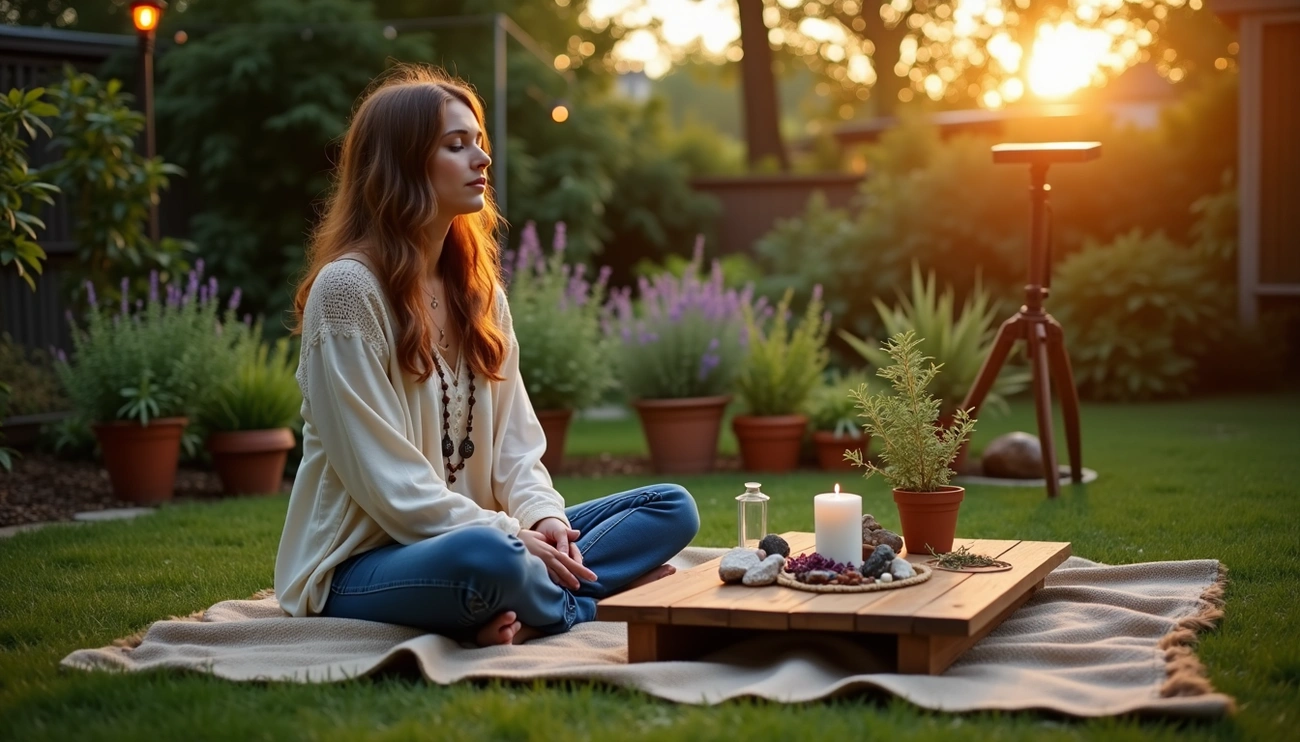
Witchcraft isn’t just alive today – it has become one of America’s fastest-growing spiritual paths . A movement that once operated underground has now emerged as a mainstream phenomenon that draws followers nationwide.
The statistics paint a remarkable picture. The number of Wiccans in the United States jumped from 134,000 to 340,000 between 2001 and 2008, and Pagans showed similar expansion . The Pew Research Center’s 2014 study revealed that nearly 0.3% of the U.S. population—approximately 1 million people—considered themselves Wiccan or Pagan . Modern witchcraft’s American journey began in the 1960s, finding its early adopters among feminists and environmentalists .
This spiritual revival captivates me because a practice that people once stigmatized has now become almost trendy. While Wicca has grown “kind of chic” , many newcomers may not grasp its deeper significance. Let’s explore authentic witchcraft’s modern practices, their differences from pop culture portrayals, and why this ancient spiritual tradition continues to strike a chord with so many people today.
Growing Up with Witchcraft
My experience with witchcraft started unexpectedly in my childhood. Most people find this path later in life, but I first came across the mysterious world of Wicca through a book gift from my Christian aunt. She knew what she was giving me. The word “witch” stood out boldly in the title. A photograph captures that moment – my twelve-year-old self smiling with my new treasure. This marked the start of my spiritual awakening.
A personal look at early exposure to Wicca
Childhood often gives us our first glimpse of witchcraft. These early experiences shape our spiritual paths for decades. One woman spent hours playing alone in the woods. Her idea of “people” grew to include trees and animals naturally. She connected deeply with a lightning-split tree. Her consciousness merged with nature until she felt her “blood was green.” She had no words to describe these experiences back then.
Books and media lead many others to witchcraft. Young people’s interest in witchcraft grew rapidly after movies like “The Craft” came out. This shows how visual media shapes religious identity. Many young witches accepted this path without meeting other practitioners. They got their validation from books, films, and later from online communities [1].
How family beliefs shaped identity
Parents react differently to their child’s interest in witchcraft. This creates unique experiences for each person. Some children get unexpected support. Take the twelve-year-old whose aunt bought her first witchcraft book – a gift that changed her life. She later said, “I would not be here today if it were not for the book I read when I was twelve.”
Traditional religious households often create challenges. Children face inner conflicts when their spiritual experiences don’t match religious teachings. A witch recalled her early schooling: “Our reality and what we’re told don’t quite match. Animals don’t have souls? I didn’t believe that. Animal as deity made more sense to me.”
Wiccan parents face their own challenges about raising children. They focus on teaching independent thinking rather than pushing beliefs. Family traditions emerge naturally through yule fires, harvest celebrations, and spring cleaning rituals. These practices become normal parts of spiritual life.
Original feelings of shame and confusion
Young witches often struggle with shame and confusion about their spiritual interests, even as acceptance grows. Society’s judgment, religious pressure, and fear of rejection create this emotional weight. One practitioner lost all her friends after they learned about her Wiccan path: “Imagine losing all your friends at once.”
Many young practitioners hide their interests and develop complex feelings about who they are. The gap between real spiritual exploration and pop culture creates inner conflicts. They feel pulled between true spiritual calling and others’ judgments.
The path to sovereignty – “unapologetically being your own true, unique version of personhood” – means overcoming inner shame [2]. One witch put it powerfully: “Sovereignty of self is simply, unapologetically, being your own true, unique version of personhood. Shame is neither required nor relevant.”
Witchcraft in the Mainstream
A quick scroll through social media shows something surprising: witchcraft has embraced our digital age – or maybe it’s the other way around. The hashtag #witchcraft now has over 7 million posts on Instagram and 11 billion views on TikTok [3]. This isn’t your grandmother’s witchcraft. The practice has reinvented itself and found its place in mainstream culture.
The rise of modern witchcraft in pop culture
Witchcraft has changed from something scary to something stylish. Our view of witches has transformed over the decades. Beautiful witches started appearing in postcards and advertisements by the late 19th century [4]. A turning point came with L. Frank Baum’s 1900 publication of The Wonderful Wizard of Oz. The book introduced good witches as heroines – a groundbreaking idea at the time [4].
Pop culture helped this transformation continue. Shows like Bewitched in the ’60s showed witches as “America’s sweetheart.” The ’90s brought Sabrina the Teenage Witch, The Craft, and Charmed, which gave witchcraft more positive exposure [4]. These days, celebrities openly use magical practices. Simon Cowell and Adele use crystals to heal, Miranda Kerr cleanses her home with sage, and singer Lorde calls herself “basically a witch” [5].
WitchTok, Instagram, and the digital coven
Social media best shows witchcraft’s explosion into the mainstream. The #WitchTok hashtag has gathered over 25 billion views [5], with some sources saying it’s closer to 30 billion [6]. These platforms have changed how people learn about witchcraft:
-
TikTok – The hashtag’s most popular creators have become celebrities, some with hundreds of thousands of followers [7]
-
Instagram – Influential accounts like @TheHoodWitch share “everyday magic for the modern mystic” with 474,000+ followers [5]
-
Online Covens – Digital communities give support, teaching, and community to practitioners at all levels [8]
“TikTok has changed the way we practice witchcraft, it’s so acceptable now to learn from social media,” says Ayla Skinner, known as Witch in the Wilderness on TikTok [6]. This easy access has changed how witchcraft knowledge spreads. One practitioner notes, “Years ago, you had to find a coven and get initiated and trained. Now you can go to your local bookstore and grab a witchcraft book or book about crystals” [6].
From taboo to trendy: what changed?
Society’s broader changes created space for alternative spiritual paths. Wicca started its modern revival in the 1960s counterculture [9], and kept growing. The number of Americans who identify as Wiccan grew from about 8,000 to nearly one million between 1990 and 2014 [10].
Witchcraft’s appeal comes from its inclusive nature. “One of the aspects that makes Paganism, particularly Wicca…so popular is their openness to non-normative forms of sexuality, non-normative forms of gender in ways that mainstream progressive forms of religion are still kind of struggling with” [10].
Witchcraft also equips people during uncertain times. “A lot of people found that actually, we’re all witches. We can all do things. We can all show what we want from the universe, if we just believe we can” [5]. This mix of accessibility, inclusivity, and empowerment has pushed witchcraft into mainstream awareness.
Questions about authenticity and commercialization remain behind trending hashtags and viral videos. One practitioner points out, “Witchcraft has definitely been co-opted by the wellness sector…watering them down and ‘normalizing’ them to the point that the term ‘witch’ has started to lose its meaning” [11]. Modern witchcraft communities still face the challenge of balancing accessibility with respect for traditions.
What Modern Paganism Really Is
Modern Paganism goes beyond trending hashtags and childhood memories. The spiritual path has deep substance and meaning. Contemporary Paganism represents new religious movements that draw inspiration from pre-modern beliefs of Europe, North Africa, and the Near East [12]. The numbers tell an interesting story – about 1.5 million Americans identify as Pagan or Wiccan, which surpasses the Presbyterian population in America [13].
Core beliefs of Wicca and Paganism
Most Pagan traditions share several core principles despite their differences. Polytheism – the worship of multiple deities – serves as a central belief [12]. These gods and goddesses represent nature’s forces, cultural aspects, and human psychology. Many Wiccans take a duotheistic approach and honor both a goddess and god, traditionally known as the Triple Goddess and the Horned God [14].
The sacred view of nature is the life-blood of Pagan spirituality. A practitioner puts it well: “At the heart of these practices is the fact that witchcraft enables me to see the world through a more balanced lens” [3]. This connection shows through animism – the belief that everything has a spiritual essence – and pantheism, which sees divinity in nature itself [12].
Different traditions have different ethical frameworks. Many Wiccans live by the Wiccan Rede: “If it harm none, do what you will” [14]. This principle stresses personal responsibility while avoiding harm to others.
Diversity of practices and paths
Paganism works as an umbrella term that includes many distinct traditions. Wicca, the most well-known form, started with Gerald Gardner in 1950s Britain [15]. Other major paths include Druidry with Celtic roots, Heathenry from Norse traditions, and various movements that bring back ancient Greek, Roman, and Egyptian practices [16].
Practitioners take part in different ways:
-
Solitary practice: About 79% of modern Pagans work independently without formal groups [16]
-
Coven-based: Traditional groups with high priests/priestesses lead 3-13 members [17]
-
Public circles: Bigger, more open gatherings celebrate seasonal events
-
Online communities: Digital spaces link practitioners worldwide
In what forms does witchcraft exist today?
“What makes a person a witch is that they call themselves a witch” [13]. Modern practitioners follow various paths:
Kitchen witches blend magic with daily routines; Hedge witches practice traditional shamanism; Green witches connect deeply with earth energies; Ceremonial witches perform formal ritual magic; and Eclectic witches draw wisdom from multiple traditions [13].
The role of nature and ritual in daily life
Pagans structure their practices around nature’s cycles because of their deep respect for the natural world. Most traditions celebrate eight seasonal festivals – the Wheel of the Year – which mark solstices, equinoxes, and cross-quarter days [17]. These celebrations help people stay connected with nature’s rhythms.
Daily practices often involve home altars, meditation, energy work, and divination through tarot, runes, or other methods [16]. Simple acts create powerful connections – “lighting a candle at the dark of the moon and meditating on the flame, or pouring a fresh cup of water for one’s ancestors” [16].
Paganism gives practitioners “a way of pluralism without fragmentation, of creativity without anarchy” [18]. This spiritual path values both ancient wisdom and modern needs equally.
The Problem with Pop Culture Witchcraft
Witchcraft has emerged from the shadows into mainstream popularity and become a multibillion-dollar business [19]. This commercial surge has changed how many practitioners connect with their craft.
Cultural appropriation and commercialization
The commercialization started with how-to books in the 1980s. Mass-produced starter kits sold by major retailers soon followed [19]. Knowledge that covens once freely shared has turned into products for sale. A witch from the 1980s remembered how witchcraft’s appeal came from needing “almost no money” [19].
Today’s landscape tells a different story. Sephora and celebrities like the Olsen twins market witchcraft kits directly to consumers [19]. Indigo, Walmart, and Hot Topic have joined in, selling crystals, tarot decks, and various “spell kits” [20]. This shift has turned free knowledge into profit-making products [20].
Misconceptions about witches today
Real witches paint a different picture than what popular media shows:
-
They don’t worship Satan—most follow spiritual paths unrelated to Christian concepts [21]
-
No dress code exists—practitioners wear what they prefer [21]
-
Magic works without expensive tools or specific wands [21]
-
Many witches work alone instead of joining covens [21]
“In real life, those who practice witchcraft are just normal people, neither inherently good nor bad,” explains one source [22]. Each person’s practice remains deeply personal, guided by intuition rather than commercial trends.
Why symbols and rituals matter to real practitioners
Genuine practitioners use symbols as vital tools to communicate with other practitioners, entities, and their inner selves [23]. Mass-produced items often fail to capture the personal meaning that makes these symbols powerful.
Building your own tools through connections with the land and other people creates something “really beautiful and sacred” [20]. True practice needs more than store-bought kits—it requires emotional growth and personal development that you can’t find in a package [20].
Reclaiming Identity and Community
Modern witchcraft goes far beyond commercial trends and provides deep opportunities to transform both individuals and communities. My experiences in modern pagan communities have shown how age-old practices create paths toward personal independence and group action.
How modern witches find strength
“Calling myself a witch or a bruja was a reclaiming of power,” explains Bri Luna, creator of The Hoodwitch [24]. This reclamation stands as a considered act of resistance against traditional, Christian-dominated society [12]. Witchcraft equips practitioners with tools to access their inner power and intuition, which brings balance to their spiritual and everyday lives [25].
Witchcraft’s non-hierarchical nature draws many practitioners. “Women and queer people and misfits of all stripes have tended to end up in bad situations in hierarchical religions,” notes author Michelle Tea. “It’s really great to be able to call your own shots” [24].
The intersection of spirituality and activism
Spiritual practice and social justice work blend naturally for many modern witches – something I’ve seen firsthand. “My involvement in social justice movement is definitely connected to my spirituality. Both my Goddess and my morality call me to stand with the Black community during this struggle,” explains one practitioner [26].
The WITCH organization (Women’s International Terrorist Conspiracy from Hell) shows this connection perfectly through their witchcraft-based performative protests against oppression [1]. Their 1968 manifesto boldly declared: “There is no joining WITCH. If you are a woman and you dare to look within yourself, you are a witch” [1].
Building inclusive and supportive communities
Modern pagan groups make diversity and inclusion their priority. The Modern Witches community creates “a sacred container for those witch-curious, witch-identifying, and magically minded to authentically connect and learn” [27]. The Justice + Liberation Committee works toward “the safety and inclusion of marginalized people” while pledging to create safer spaces where “ancestral traditions are amplified, prioritized and celebrated” [28].
Online spaces help build connections – from private online covens to virtual moon gatherings. One community puts it this way: “We are word Witches, art Witches, sonic Witches, Witches in labs, in law, in academia, in deathwork and dance” [29].
Conclusion
Witchcraft has evolved from a feared practice to a spiritual path that millions now celebrate. My trip began when someone gave me a book at twelve years old, and it reflects the broader changes happening in society. What used to exist in the shadows now runs on social media platforms. WitchTok gets billions of views and Instagram hosts millions of posts that show how mainstream witchcraft has become.
The recent surge in popularity doesn’t change what authentic witchcraft really means. True practitioners know magical work takes more than buying crystal kits from Sephora or following trending hashtags. You just need a personal connection, intentional practice, and deep respect for traditions that survived centuries of persecution.
Modern Paganism’s spiritual depth gives practitioners something many traditional religions can’t – personal freedom without strict hierarchy. This strikes a chord with women, LGBTQ+ individuals, and others who feel left out by conventional religious structures. On top of that, it connects spiritual practice with social justice activism to create real change in personal and community spaces.
Pop culture might not always get it right, but it opens doors to those who feel genuinely drawn to this path. My experience shows how early exposure through media or books can lead to authentic spiritual journeys that last decades.
Today’s witchcraft combines ancient wisdom with living tradition. You’ll find crystals and tarot decks in retail stores, but this spiritual practice’s essence stays the same – it connects practitioners to nature’s rhythms, personal power, and community support. This resilience shows witchcraft’s lasting impact across generations.
“Does witchcraft still exist?” The answer is a soaring yes – not as a fashion trend but as a legitimate spiritual path that gives deep meaning to its practitioners. Behind the Instagram filters and TikTok tutorials stands a tradition that keeps changing lives, including mine, through personal strength, natural connection, and inclusive community.
Key Takeaways
Modern witchcraft has evolved from a stigmatized practice into a mainstream spiritual movement, with authentic traditions offering much more depth than pop culture representations suggest.
• Witchcraft is experiencing explosive growth, with nearly 1 million Americans identifying as Wiccan or Pagan and billions of social media views driving mainstream acceptance.
• Authentic modern paganism centers on nature reverence, personal empowerment, and diverse spiritual paths rather than expensive commercial products or Hollywood stereotypes.
• Pop culture commercialization creates misconceptions—real witchcraft requires personal connection and intentional practice, not purchased spell kits from major retailers.
• Modern practitioners find empowerment through non-hierarchical spirituality that welcomes marginalized communities and integrates social justice activism with spiritual practice.
• Digital platforms like WitchTok have revolutionized how witchcraft knowledge spreads, making ancient wisdom accessible while raising questions about authenticity versus trends.
The transformation from feared practice to fashionable lifestyle reflects broader societal shifts toward alternative spirituality, yet the core essence remains unchanged: connecting practitioners to personal power, natural rhythms, and supportive communities that honor both ancient wisdom and contemporary needs.
FAQs
Q1. What is the difference between witchcraft and modern paganism? While witchcraft is a practice that can be part of many spiritual traditions, modern paganism is a broader umbrella term for various nature-based spiritual paths. Paganism often includes witchcraft, but not all pagans practice witchcraft, and not all witches identify as pagan.
Q2. How has social media impacted modern witchcraft? Social media platforms like TikTok and Instagram have significantly popularized witchcraft, making information more accessible. However, this has also led to concerns about the commercialization and potential misrepresentation of authentic practices.
Q3. What are some common misconceptions about modern witches? Many people mistakenly believe that all witches worship Satan, wear specific clothing, or require expensive tools. In reality, witchcraft is a diverse practice with practitioners from various backgrounds who may or may not incorporate religious elements into their craft.
Q4. How do modern pagans view nature in their spiritual practice? Most pagan traditions emphasize a deep connection with nature, often viewing it as sacred. Many pagans structure their practices around natural cycles and seasons, incorporating elements of nature into their rituals and daily spiritual life.
Q5. Can someone practice paganism without joining a group? Yes, many pagans practice as solitaries, either by choice or circumstance. While joining a group can provide community and guidance, it’s not necessary. Many resources are available for those who wish to explore paganism independently.
References
[1] – https://digitalcommons.kennesaw.edu/cgi/viewcontent.cgi?article=1276&context=kjur
[2] – https://templeofwitchcraft.org/magick-in-the-mundane-on-shame/
[3] – https://www.nbcnews.com/think/opinion/paganism-witchcraft-are-making-comeback-rcna54444
[4] – https://now.tufts.edu/2024/10/09/how-witches-evolved-social-outcasts-pop-culture-heroines
[5] – https://www.msn.com/en-gb/news/world/online-covens-and-internet-rituals-how-witchcraft-went-digital/ar-BB1oKhby?ocid=BingNewsVerp
[6] – https://www.bbc.com/news/newsbeat-63403467
[7] – https://www.nylon.com/life/witchtok-witches-of-tiktok
[8] – https://digital-coven.com/
[9] – https://witness.lcms.org/2025/on-witchcraft-a-growing-spiritual-trend/
[10] – https://www.teenvogue.com/story/as-witchcraft-becomes-more-common-witches-weigh-in-on-stigma
[11] – https://www.the-independent.com/life-style/witchcraft-wellness-witchtok-kate-tomas-b2585162.html
[12] – https://en.wikipedia.org/wiki/Modern_paganism
[13] – https://www.retailinginsight.com/articles/meeting-the-modern-witch/
[14] – https://en.wikipedia.org/wiki/Wicca
[15] – https://www.anthropology-news.org/articles/crafting-witches/
[16] – https://pluralism.org/what-do-pagans-do
[17] – https://www.britannica.com/topic/Wicca
[18] – https://www.paganfed.org/paganism/
[19] – https://theconversation.com/as-witchcraft-becomes-a-multibillion-dollar-business-practitioners-connection-to-the-natural-world-is-changing-209677
[20] – https://maisonneuve.org/article/2024/12/12/one-spell-fits-all/
[21] – https://www.teenvogue.com/story/witchcraft-misconceptions
[22] – https://www.amc.com/blogs/the-real-stories-behind-the-myths-and-misconceptions-around-witches–1010051
[23] – https://www.quora.com/What-is-the-significance-of-symbols-in-Ritual-Magick-and-other-Occult-practices
[24] – https://www.kqed.org/forum/2010101907696/the-modern-witch-wants-you-to-be-self-empowered
[25] – https://www.downtowntarot.com/post/embracing-modern-witchcraft-a-journey-of-magic-and-community
[26] – https://wildhunt.org/2015/04/culture-and-community-the-personal-toll-of-activism.html
[27] – https://modernwitches.org/about
[28] – https://modernwitches.org/justice-liberation
[29] – https://www.missingwitches.com/join-the-coven/
Leave a Reply