
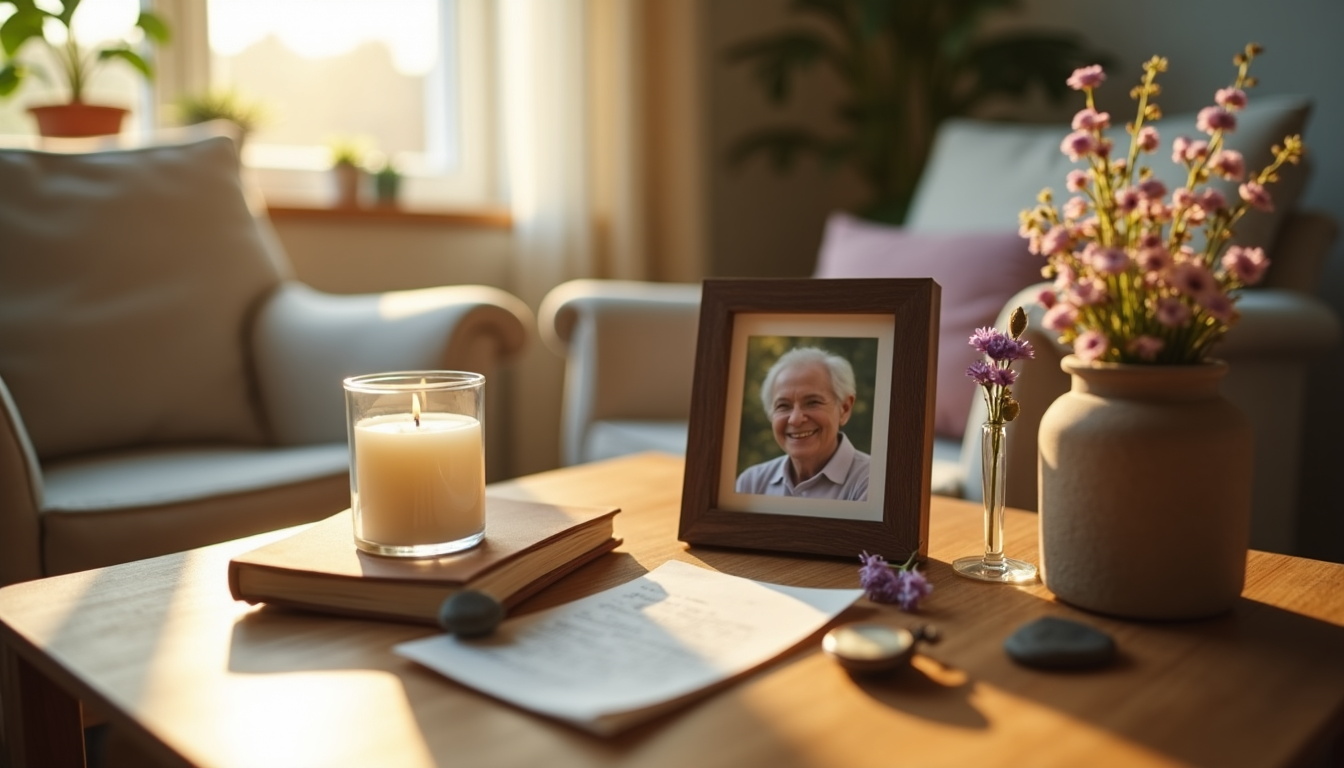
Grieving rituals are powerful symbolic activities that help us express our deepest thoughts and feelings about life’s most profound losses. These meaningful practices have become part of human experience across cultures throughout history.
Loss brings overwhelming emotions, yet mourning rituals provide more than just comfort. They offer clinically proven benefits for healing. These practices enhance our coping abilities, promote self-acceptance, and give us space to express emotions. Rituals to honor the dead help us keep meaningful connections while we move forward through grief. We can practice them alone or share them with others.
Personal and collective ceremonies can guide us through the complex path of loss. This piece provides practical ways to use ritual as a tool for healing. You’ll discover daily practices and anniversary commemorations that bring structure and meaning to your path through grief.
Understanding the Power of Grief Rituals
Grief rituals act as anchors in emotional storms. They give us real ways to deal with our pain. Research shows these meaningful symbolic activities work in ways that go way beyond what we see on the surface. Let’s look at why they matter so much on this trip through loss.
What makes rituals work for processing grief
Grief rituals help us turn inner suffering into something we can see and touch. As Dr. Lucy Selman explains, “Mourning plays an important role in bereavement because it’s a way of externalizing the emotions and thoughts of grief and, through that, incorporating the loss into your life and beginning to heal”.
Research shows rituals help us deal with grief in three basic ways. They honor those we’ve lost, help us let go of painful attachments, and lead us through personal change. These practices build bridges between our past bonds with the deceased and our lasting emotional ties to them.
Studies reveal something remarkable – grief rituals work even for people who don’t believe they will. Harvard researchers found that people who performed rituals after losses felt less grief than those who didn’t take part in such practices.
How rituals create structure during chaotic times
Our world feels strange and different after losing someone we love. Mourning rituals give us a roadmap that helps us direct overwhelming emotions. As Dr. Mary-Frances O’Connor points out, rituals “can offer constancy and comfort in a moment when everything can feel very uncertain”.
Mourning ceremonies create patterns we can count on when grief feels random. Their organized nature brings comfort and stability right at the time we feel most lost. These activities also set aside specific times and places for grief. This gives us space to express our feelings fully in safe settings.
Dr. Chao Fang from the Center for Death and Society says mourning traditions are “a shared and personal platform to express grief, and enable a smooth transition from loss”. This structure turns chaotic feelings into meaningful ways to show love and remember.
The psychological benefits of symbolic actions
Symbolic actions in grief rituals bring specific psychological benefits that help us heal:
-
Restored sense of control – Harvard studies found that people felt more in control after doing rituals, which directly led to less intense grief
-
Emotional release – Rituals create safe spaces to express strong feelings without being overwhelmed
-
Physical processing – Using our bodies in rituals helps process emotions that words can’t express
Ritual objects play a vital role too. Research shows different types of meaningful items that make grieving rituals better, like symbolic possessions, objects that help us change, and keepsakes for the future. The way we handle these objects matters – creative making, careful handling, and meaningful disposal all help the ritual work better.
Grief rituals also bring people together. They strengthen our bonds with others who share our loss and build up our support networks when we feel vulnerable. This shows us that throughout history, people have felt this same pain and found ways to keep going.
Andy Langford, clinical director of Cruse Bereavement Support, reminds us these practices need dedicated time and space: “The expectation that grief has a short timeline and we should be over our bereavement in a few weeks is outdated”. Through thoughtful mourning rituals, we accept this truth and find paths toward healing.
Creating Personal Mourning Rituals
Personal mourning rituals create clear paths through grief’s dense fog. These individual practices honor our unique relationship with loss and let us process emotions at our own pace. You can heal better by creating your own grief ceremonies instead of following prescribed formulas.
Memory objects and their significance
Objects connected to our loved ones act as powerful “linking objects” in the grief process. These physical reminders help us stay connected with those we’ve lost and give us real focal points for our memories. People who grieve often become “shrine-makers” naturally – they place photos where they can see them, create memory boxes, or display meaningful items.
The best memory objects usually have deep personal meaning – a watch, piece of clothing, or handwritten note. These items create what psychologists call “enduring bonds” that let us stay connected despite physical absence. Our relationship with these objects usually changes over time, from intense emotional triggers to cherished keepsakes.
Pay attention to how you interact with memory objects. Ask yourself now and then, “What purpose does this linking object serve?” Keep it close if it brings comfort and connection. Think over whether it’s time to change or let go if it seems to hold back your healing.
Writing and creative expression rituals
Writing creates a powerful outlet for grief’s complex emotions. Research shows that writing about traumatic events helps both mental and physical health by a lot. Journaling helps us put our internal suffering outside ourselves, making it easier to handle.
Writing letters provides another way to heal. You can find deep relief by writing directly to your loved one about unresolved feelings, memories, or life events. Letters that speak honestly from the heart about what matters most tend to help the most.
Art, music, or crafting help process emotions that words can’t express. These activities work around language limits and tap into deeper feelings. The healing happens through the process itself – not by creating masterpieces but by expressing what words can’t capture.
Nature-based ceremonies for healing
Nature creates an ideal setting for grief ceremonies because it has natural healing powers. Studies show that outdoor time lowers stress, anxiety, and blood pressure while helping mental wellbeing. Natural settings’ peace makes perfect conditions for emotional expression and reflection.
A memorial garden or planted tree can symbolize ongoing life and renewal. These living tributes give you physical spaces to remember while offering something to care for and watch grow. Taking care of these spaces often becomes a meaningful ritual.
Earth-based rituals like grounding – touching the earth with bare feet or sitting directly on the ground – can help restore stability when grief feels chaotic. Many people find peace in ceremonies where they bury symbolic objects that represent their sorrow, letting the earth hold their pain.
Daily practices to honor your grief trip
Small, regular rituals often help more than big gestures. You create anchors throughout difficult days by lighting a candle each evening, wearing special jewelry, or taking five minutes daily to reflect. These mini-rituals acknowledge grief without letting it take over daily life.
Self-compassion builds the foundation for these practices. Research proves that being gentle with yourself helps heal grief. Give yourself grace for emotional outbursts, forgetting things, or moments of unexpected joy – they’re all normal parts of grieving.
Regular routines provide stability when grief feels chaotic. Start with basic tasks like eating and self-care. Use reminders if needed – your mind processes loss, not schedules. Small wins deserve celebration because simple tasks often take huge effort during intense grief.
Shared Rituals to Honor the Dead
People find powerful healing when they come together to honor those they’ve lost. Shared mourning rituals let us acknowledge our collective loss and find comfort with others who knew and loved the deceased.
Gathering friends and family for remembrance
Death brings people together to face their loss surrounded by support. These gatherings give us safe spaces to talk openly about the deceased with trusted friends and family. Memorial gatherings take many shapes beyond the funeral – from formal services to casual meetups where memories and stories flow naturally.
A grief counselor puts it well: “The collective point of view emphasizes how grief is hosted on social and political levels, and how these shape the personal feelings and actions of group members facing a common loss”. When we see others grieve, it confirms our own emotions and creates connections we can’t find alone.
Meal-based rituals and their healing power
Communities have always brought food to grieving families. This simple gesture shows they aren’t alone. The practice helps keep people fed when self-care feels impossible and shows ongoing community support.
Shared meals naturally promote remembrance talks. Many cultures turn cooking a loved one’s favorite dishes into meaningful rituals that:
-
Start conversations about their other likes
-
Bring back memories through taste and smell
-
Create natural moments for stories and connection
Each culture has its own food traditions: southern comfort foods like fried chicken and deviled eggs, northern hearty stews, Jewish shiva foods that need no preparation, or Hispanic families gathering around soup and tamales.
Creating collective memorial projects
Shared creative activities can help people heal after loss. Some options include:
-
Starting a nonprofit in your loved one’s name
-
Publishing or sharing their creative work
-
Creating a memorial garden tended by multiple people
-
Establishing a grant or scholarship fund
These projects turn grief into meaningful action while preserving memories. Simple art projects done together also allow for shared memories and support while creating lasting remembrances.
Anniversary and birthday commemorations
Birthdays and death anniversaries stir up deep grief emotions but also create perfect moments for meaningful remembrance. Many people find comfort in yearly traditions like memorial dinners where everyone shares memories.
People mark these days in various ways – lighting candles, visiting special places, cooking favorite foods, or doing kind acts in their memory. These occasions remind us that while our loved ones are gone physically, their effect lives on through our remembrances.
Adapting Rituals for Different Types of Loss
Loss takes many forms, and each type needs its own way to mourn. Our grief’s nature shapes which rituals help us heal the most. Creating ceremonies that match specific loss situations builds more meaningful paths through sorrow.
Sudden versus predicted loss
Death’s timing and preparation affect our grief trip by a lot. Sudden losses make us reel from shock and disbelief. We need rituals that recognize this sharp transition. Predicted losses bring a different emotional process – our mourning starts before the physical death happens.
Rituals that create order amid chaos become vital for sudden losses. People might create memory boxes or set up daily touchstones that give stability. With predicted losses, ceremonies can start during the “anticipatory grief” phase. The dying person can help plan their memorial or create legacy projects together.
Rituals for the loss of a parent
A parent’s death reshapes who we are. Dr. Alan Wolfelt points out that parent-loss rituals work best when they “express our deepest thoughts and feelings about life’s most important events.” We can maintain these vital connections by cooking family’s favorite recipes, wearing our parent’s signature scent, or building an altar with treasured objects.
Parent-loss rituals often turn possessions into memorial objects. Families might turn clothing into quilts or change workshops into creative spaces. The support we receive during this grief trip shapes how well we heal.
Honoring a child who has died
Child loss creates maybe the most devastating grief experience. Rituals must carefully balance honoring brief lives while acknowledging lost potential. Memory trees let guests write fond memories on “leaves.” Birthday celebrations with cake and balloons or art displays showing the child’s drawings give tangible ways to remember.
Child memorials work best when they include elements that show the child’s interests – favorite books, animals, colors, or activities.
Ceremonies for non-death losses
Significant losses go beyond death. Divorce, career endings, health diagnoses, and moving all trigger real grief that needs ritual recognition. These “disenfranchised grief” experiences benefit from ceremonies that verify emotional pain others often dismiss.
Incorporating Ritual Objects in Your Grief Process
Physical objects become powerful anchors in our grief experience. They serve as tangible bridges between us and those we’ve lost. These carefully selected items help us create meaningful connections that let us process emotions and honor precious memories.
Selecting meaningful symbolic items
Personal significance matters more than monetary value when choosing ritual objects. The most powerful memorial objects are often items that belonged to your loved one—a watch, scarf, or favorite book. To name just one example, see what genuinely reflects their essence or your shared relationship. Your gut response to different items will guide you. Objects that stir the strongest emotional connection work best in grief rituals.
Creating altars and sacred spaces
A dedicated memorial space gives you a focal point to work through grief. Your home altar could be as simple as a shelf or small table with a special cloth displaying photographs, candles, and cherished possessions. The process of creating becomes healing—you can express internal suffering through thoughtful arrangement of symbolic items. The daily ritual of tending these spaces—lighting candles, refreshing flowers, or quiet reflection—brings structure during emotionally chaotic times.
Transforming possessions into memorial objects
New connections emerge when you repurpose belongings. You could turn clothing into memory quilts, jewelry into wearable keepsakes, or written notes into framed art. These transformations honor the past while creating something new that carries their memory forward. The projects themselves become rituals that help process grief through creative expression.
When to keep and when to release objects
Our bond with memorial objects changes naturally. We might hold onto everything at first, but time shows us we need fewer physical reminders. The objects’ effect on you matters most—keep them if they bring comfort. If they hold you back, you might need to transform or release them. Keep in mind that letting go of physical items doesn’t erase the person or your love for them.
Conclusion
Grief rituals give us vital paths to help us cope with loss. Each person deals with grief differently, yet these meaningful practices keep us connected to those we’ve lost as we move forward. Simple personal ceremonies like writing in journals or caring for memorial gardens become daily anchors that help us process our emotions. We find strength and comfort in shared rituals that bring us closer to others who truly understand our loss.
These practices give us permission to take our time with grief instead of rushing through it. They create space for healing that we all deserve. Our loved ones’ possessions and memorial altars build bridges between our past and present. Our relationship with these meaningful items shifts naturally as we move through our grief.
Grief rituals let us honor those we’ve lost while we discover new ways to carry their memories with us. Thoughtful ceremonies and meaningful practices create lasting tributes that acknowledge both our pain and our need to keep living. As we direct ourselves along this difficult path, each small ritual marks another step toward healing.
FAQs
Q1. What does it mean to “hold space” for grief? Holding space for grief involves creating a supportive and non-judgmental environment for someone experiencing loss. It means being present and allowing them to process their emotions without rushing or trying to fix their pain. This practice acknowledges that grief is a personal journey that requires time and understanding.
Q2. How can I create a meaningful grief ritual? To create a meaningful grief ritual, choose activities that resonate with you personally. This could include lighting candles, sharing memories with loved ones, writing letters to the deceased, or visiting a special place. The key is to select practices that help you honor your loss and process your emotions in a way that feels authentic to you.
Q3. What are some effective ways to incorporate objects in the grieving process? Incorporating objects in the grieving process can be powerful. You might create a memory box with items that belonged to your loved one, wear a piece of their jewelry, or display photographs in a special area of your home. These objects can serve as tangible connections to the person you’ve lost and provide comfort during difficult times.
Q4. How can shared rituals help in the grieving process? Shared rituals can be incredibly healing during grief. They provide opportunities to connect with others who are also mourning, share memories, and feel supported. Examples include gathering for memorial meals, creating collaborative art projects, or participating in annual remembrance events. These collective experiences validate our emotions and remind us we’re not alone in our grief.
Q5. How should grief rituals be adapted for different types of loss? Grief rituals should be tailored to the specific nature of the loss. For sudden losses, rituals that provide structure and stability can be helpful. In cases of anticipated loss, involving the dying person in planning memorial activities might be appropriate. For non-death losses like divorce or job loss, ceremonies that acknowledge the pain and mark new beginnings can be beneficial. The key is to customize rituals to reflect the unique circumstances of the loss and the individual’s needs.
Leave a Reply