
Simple spiritual practices for beginners can boost your happiness by more than 10% over time.
Life gets tough. Many of us deal with anxiety, feel isolated, and search for purpose in our daily lives. We want meaningful connections with others but feel lost about where to begin. Daily spiritual practices are a great way to get help with these challenges. They help us build patience, empathy, and learn forgiveness.
My first steps into beginner spirituality taught me something important – staying consistent beats doing complex routines. Building a spiritual practice takes time – anywhere from 15 to 200+ days to make it stick. The results make the journey worthwhile. You’ll notice better mental health and feel more connected to yourself and everything around you.
You can start with morning rituals before sunrise or take mindful walks in nature. Many simple spiritual practices are available that need no special training or expertise. This piece shows you five easy ways to bring spirituality into your daily life. These practices work well whatever your background or beliefs might be.
What Makes a Spiritual Practice Simple and Effective
Spiritual practices really change us when they combine two things: the right intention and being present in the moment. I’ve found that the most effective practices aren’t always complex or time-consuming—simple ones done with full attention work best.
The role of intention and awareness
Intention is the bedrock of any meaningful spiritual practice. These practices aren’t just random activities—they’re things we think over and commit to for specific results or states of being. An intention shapes our reality, guides what we do, and boosts our overall well-being [1].
Clear intentions matter because we create what fills our thoughts. Before any spiritual practice, I ask myself: What do I want from this? How should I feel—peaceful, calm, confident? These questions help me channel my energy toward what matters [2].
The science behind intention-setting works through several brain processes:
-
Focus and Clarity: Setting an intention fires up the prefrontal cortex, where we plan and make decisions. This helps us cut through noise and line up our actions with what we want [1].
-
Emotional Resonance: Intentions tied to our core values and feelings wake up the limbic system, making them stick better [1].
-
Neuroplasticity: Our brain builds stronger connections when we focus on an intention regularly, making it more likely to show up in how we act [1].
Being fully present pairs perfectly with intention. Mindfulness turns everyday activities into spiritual moments by bringing our whole attention to what’s happening [3]. Take eating an orange mindfully—paying attention to how it feels, smells, and tastes raises a simple act into something spiritual [3].
Thich Nhat Hanh puts it this way: “Mindfulness is when you are truly there, mind and body together. You breathe in and out mindfully, you bring your mind back to your body, and you are there” [4]. This presence lets us fill regular activities with deeper meaning.
My experience shows that spiritual practices work like internal guides for my choices and actions. They help me stick to my values and clear away mental noise that slows progress [1]. Studies back this up too—mindfulness practices associate with feeling better and having less depression and anxiety [3].
Why simplicity works for beginners
Newcomers to spirituality need simplicity. The sort of thing I love about creating lasting spiritual habits is keeping them short, sweet, and simple [4].
Short practices fit easily into busy days. My first meditation attempts lasted just five minutes instead of trying hour-long sessions that wouldn’t have lasted [4].
Sweet practices feel good right away and get better with time. These good feelings keep you coming back for more [4].
Simple practices go anywhere, adapt easily, and stick in your mind—making them natural parts of daily life whatever comes up [4].
Spiritual practices work best for beginners when they:
-
Stay consistent and regular rather than long or complex
-
Fit into daily routines (like mindful teeth-brushing)
-
Use a simple ritual to mark the start and end
-
Let you step away from technology to connect deeper [4]
Starting new habits takes work. Spiritual activities fit best when they happen at the same point each day—not necessarily at 7 AM sharp, but maybe right after waking up or before bed [4].
On top of that, beginners thrive with an open mind. Knowing that spiritual growth takes time helps you stay patient [4]. Your spiritual path belongs to you alone, and there’s no single “right way” forward—this makes spirituality available to everyone [4].
Many spiritual practices stay simple but powerful. Quick gratitude notes, short meditations, mindful walks outside, or basic breathing exercises pack real benefits without special training or huge time commitments. These everyday spiritual habits give newcomers a place to start without feeling swamped [2].
Simple practices last longer. Instead of burning out on complicated routines, beginners build habits that grow deeper naturally. Research tells us forming habits takes between 15 and 200+ days, so starting small makes habits more likely to stick.
My journey with beginner spiritual practices taught me that simple doesn’t mean shallow—it makes things work better. Taking away extra complications and focusing on intention and presence creates room for deep experiences that might get lost in too much structure or complexity.
Practice 1: Start with Daily Gratitude
Gratitude stands out as one of the most available spiritual practices for beginners. It offers deep benefits without taking much time. Starting each day by acknowledging what I’m thankful for has changed my whole viewpoint and connected me to something bigger than myself.
How to keep a gratitude journal
A gratitude journal goes beyond listing things you like—it’s an intentional spiritual practice that grows stronger with time. My original discovery showed that commitment builds the foundation of a working gratitude practice. The practice gained momentum because I showed up every day, even when taking out the garbage seemed more appealing than writing.
Pick a time when you can step away from your routine and reflect to start your own gratitude journal. This could be early morning, during lunch, on your commute, or before bed—your lifestyle and personality will determine the best timing [1]. Writing just before sleep helps me see the day’s events through appreciative eyes.
Your special and personal format might be:
-
A dedicated notebook you already have
-
A new journal specifically purchased for this purpose
-
A digital app on your phone or tablet
-
A document on your computer
Writing by hand carries special power. One practitioner noted that speaking gratitude doesn’t work as well as writing it down [3]. Notwithstanding that, you should choose a format you’ll stick with regularly.
Set up a space where you can write without distractions. This special spot—a cozy corner or favorite chair—becomes your place of reflection and positivity [5]. Making a routine around your gratitude practice helps it become a spiritual habit rather than something you do now and then.
Write about three to five things that make you grateful right now. These range from everyday moments (your fixed dryer, garden flowers) to amazing experiences (your child’s first steps, starlit skies) [1]. Think about specific people who care for you or have added value to your life.
Studies show that writing once weekly makes most people happier [1]. That’s why I suggest this schedule to beginners. You might prefer a different rhythm—daily, three times a week, or twice monthly. You’ll learn what works best for your spiritual growth through trial and error.
Note that some days you’ll write without feeling grateful—that’s normal. Show up and write anyway. Let genuine feelings of appreciation fill your body when they come. Put your hands on your heart, lift your head, or dance your gratitude if you feel like it [3].
Simple gratitude prompts to begin with
A blank page can feel daunting, especially if you’re new to spiritual practices. Here are simple prompts that helped me build a meaningful gratitude practice.
These starter prompts might help:
-
What made you smile today? Think about a moment that brightened your face—a kind gesture, funny moment, or personal win [6].
-
Who are three people in your life that you’re grateful for? Think about those who make your life better, inspire you, or bring joy [6].
-
What do you appreciate about yourself? Look at your qualities, achievements, or character traits you value [6].
-
What is one thing you’re grateful for in this moment? Focus on what you appreciate now, even small things like hot tea or quiet time [6].
-
What aspect of nature are you thankful for today? Maybe it’s sunrise, blooming flowers, or rainfall [5].
These deeper prompts can help you reflect:
-
What is one good thing that you often take for granted? Look at something that helps your wellbeing but rarely gets noticed [6].
-
What made today different? Find something unexpected or surprising that you’re grateful for.
-
Which family member or friend inspires you to be a better person? What traits would you like to imitate? [7]
-
What have you learned from gratitude journaling? Look back at your experience and write about what you’ve learned [6].
Specific details help you get more from your gratitude practice [3]. “My coworkers brought me soup when I was sick on Tuesday” works better than “I’m grateful for my coworkers.” Going deep with one thing beats making a quick list [3].
See good things as “gifts” instead of things you deserve. This helps you stay grateful and enjoy what comes your way [8]. Unexpected or surprising events bring out stronger feelings of gratitude [3].
Writing about the same people or things often works fine—just explore different details [3]. Research shows writing occasionally (1-3 times weekly) helps more than daily entries. We might get used to positive events if we write about them too often [8].
Stay human through this spiritual practice. Skip days if needed. Write “I am grateful I am writing my gratitude list” five times when nothing else comes to mind [3]. Get back on track without judging yourself. Your spiritual trip is practice, not performance.
Practice 2: Try Short Guided Meditation
“The mind is by nature restless. Begin liberating it from its restlessness; give it peace, make it free from distractions, train it to look inward, and make all this a habit.” — Ramana Maharshi, Indian Hindu sage and jivanmukta (liberated being)
Guided meditation helps beginners start their spiritual practice by providing structured support as they learn about their mind’s inner landscape. Guided sessions give gentle instructions that help newcomers stay focused and avoid common mistakes, unlike self-directed meditation.
Choosing the right meditation style
The meditation style that strikes a chord with you personally is a vital part of developing green practices. Meditation author Mira Dessy puts it well: “It’s what feels comfortable and what you feel encouraged to practice.” Yes, it is natural that techniques working perfectly for some people might feel awkward or challenging for others.
Beginners heading over to spirituality can start with several meditation styles:
-
Focused attention meditation uses your breath as an anchor and trains your mind to return to a single point of focus whenever thoughts begin to wander. This basic technique builds concentration and becomes the foundation for many other practices.
-
Body scan meditation connects your body and mind by directing attention systematically from head to toe. You’ll notice physical sensations, tensions, or discomfort that might go unnoticed during your daily routine.
-
Visualization meditation uses mental imagery instead of breath-focused techniques. Some beginners might find this challenging, but it works just like remembering a friend’s face or picturing a peaceful scene.
-
Loving-kindness meditation channels positive energy toward yourself and others to develop feelings of compassion and goodwill. Your capacity for empathy and connection grows steadily with this practice.
Think over what you want to achieve before picking a meditation style. Do you want stress reduction, emotional control, better sleep, or spiritual growth? Different techniques serve different purposes. You don’t need to stick to just one approach—many people benefit from switching between styles based on their needs and energy levels.
Meditation shouldn’t feel forced. Dessy explains this well: “If we’re forcing it, then it becomes a chore. Gentle, regular practice eventually becomes sustaining, supportive, and enjoyable.” Starting with short 5-10 minute sessions works best, and you can extend the duration as your comfort grows.
Consistency matters most. Research shows that even one meditation session can reduce mind wandering, while daily practice over 30 days cuts stress substantially. Schedule your meditation sessions like appointments or connect them to daily habits like showering or brushing your teeth.
Free tools and apps to get started
New meditators can benefit greatly from sessions led by experienced teachers. Quality guidance is now available to everyone through many free resources:
Insight Timer has a vast library of over 80,000 free guided meditations from more than 10,000 teachers. The app has meditations in a variety of topics including stress management, relationships, healing, sleep, and creativity. This wealth of content comes without any payment requirement, making it an excellent resource for spiritual practice beginners.
Healthy Minds Program is a free, science-based option created by mindfulness researchers at the University of Wisconsin-Madison. The app focuses on four key pillars—awareness, connection, insight, and purpose—and lets you adjust session lengths in five-minute increments. Your original assessment gives you a personalized score to track your progress.
Smiling Mind, a not-for-profit app, contains hundreds of meditations in structured programs like Mindful Foundations (35 sessions), Sleep (6 sessions), and Stress Management (10 sessions). Sessions typically last five to fifteen minutes, perfect for beginners starting a daily spiritual practice.
UCLA Mindful app, developed by UCLA’s Mindful Awareness Research Center, provides guided meditations in both English and Spanish. This simple resource offers research-backed practices without overwhelming beginners with too many choices.
Many meditation centers and teachers also share free guided sessions through their websites or YouTube channels. These resources range from quick five-minute meditations to longer sessions for deeper practice.
The sort of thing I love about establishing a meditation routine is the spirit of exploration. One expert puts it well: “Open yourself up to the possibilities. There are so many forms of meditation that if one isn’t working or isn’t comfortable, just try a new one.” Don’t let worries about meditating “correctly” add stress—meditation has no universal right or wrong way.
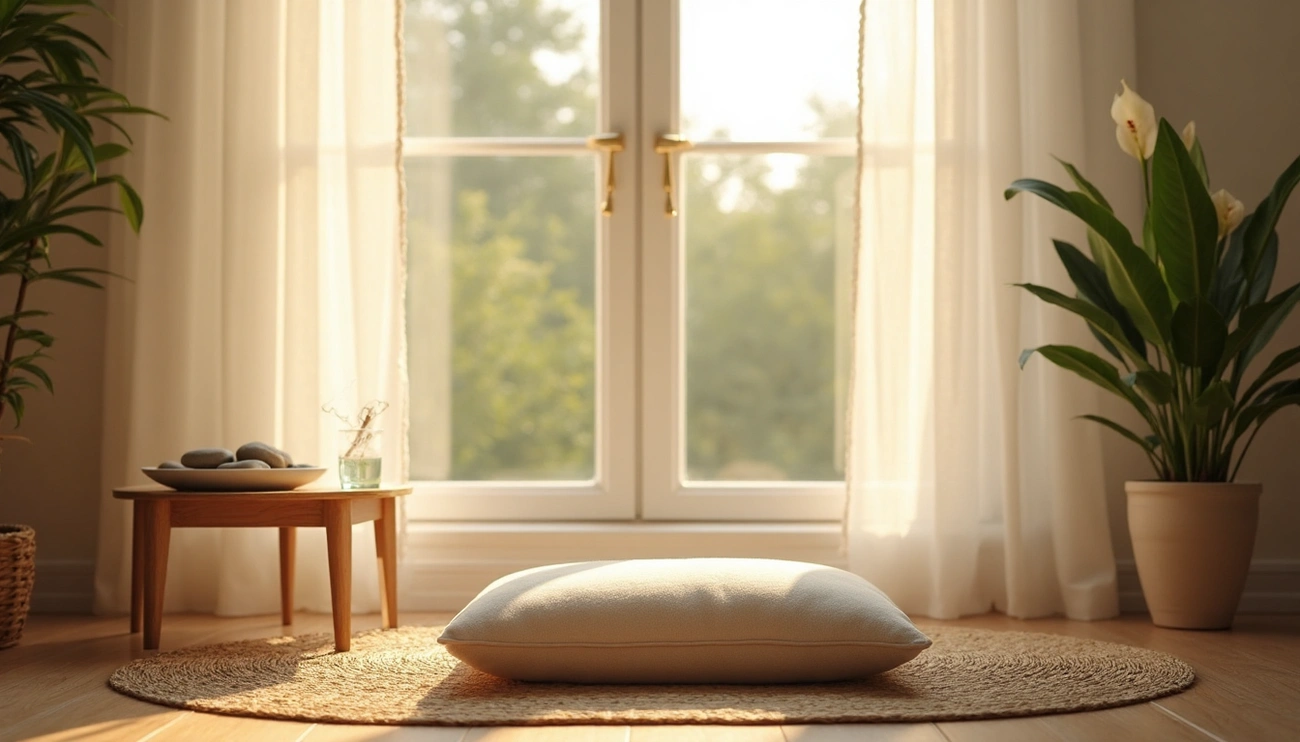
A dedicated meditation space in your home can make a big difference—even a small corner with a comfortable cushion tells your mind it’s time to become more contemplative. This environmental signal, combined with guided meditations, helps turn this powerful spiritual practice into a lasting daily habit.
Practice 3: Connect with Nature Mindfully
Nature gives us a powerful way to awaken spiritually without special equipment, training, or religious background. People have always turned to nature as their gateway to deeper spiritual awareness. Science now backs up what ancient wisdom told us: time spent mindfully in nature helps both our body and spirit.
Ideas for mindful walking or sitting
You can connect mindfully with nature in many ways. Simple walking or quiet sitting meditation outdoors can turn regular outdoor time into meaningful spiritual practice for beginners.
Mindful Walking in Nature
My mindful walking focuses on the sensory experience of each step. Regular walks let my mind drift to my to-do list, but mindful walking keeps me in the present moment. Here’s how you can try this spiritual practice:
-
Walk slowly and feel the ground beneath your feet with each step
-
Notice your foot as it lifts, moves forward, and touches the earth
-
Pay attention as your weight moves from one leg to the other
-
Watch your surroundings without labels or analysis
Research shows this practice gives better results than indoor meditation. Natural light cycles can improve your sleep quality by up to 42% [9]. Mindful walking combines physical exercise with mental practice. Studies show just 20 minutes of light walking helps with mild depression, anxiety, and attention [2].
Sitting Meditation in Nature
A comfortable spot to sit in nature can become your daily spiritual practice. Research on forest bathing (shinrin-yoku in Japan) shows it reduces stress by lowering heart rate and blood pressure [4]. Here’s how to practice sitting meditation in nature:
-
Look for a welcoming spot where you feel safe and comfortable
-
Take several deep breaths to center yourself
-
Use your senses—notice sounds, sights, smells, and physical sensations
-
Bring your attention back gently when it wanders from your sensory experience
You might want to focus on specific parts of nature. One mindfulness teacher says, “Sit until the puddle dries in the sun… Sit and watch a shadow until it has crossed your path… Sit until the birds finish their song” [10]. These practices help build patience and foster deeper awareness.
How nature supports spiritual growth
Nature and spirituality share deep connections. Research from the Consortium for Health and Military Performance shows mindful time in nature builds spiritual fitness, fights depression, reduces anxiety, and improves overall wellbeing [4].
Nature helps spiritual growth in several ways:
Nature sparks awe and wonder—key spiritual emotions. Natural beauty like sunsets and blooming flowers shows us something greater than ourselves. This viewpoint helps us focus less on ourselves and connect to a bigger reality.
Nature’s sensory richness goes beyond what we find indoors. We practice being present through all five senses. One expert suggests: “Take time to really look at the blue of the sky, listen to the rustling of leaves, feel the wind through your hair, taste the crispness of the air, and smell the freshness of being outside” [4].
Nature works like a reset button for mind, body, and spirit. Studies show nature activates our parasympathetic nervous system, which calms and restores us [11]. Research also shows regular nature connection helps attention recovery, emotional restoration, and psychological wellbeing [11].
City dwellers can still find ways to connect with nature:
-
Open your window to hear natural sounds
-
Bring plants inside to create connection
-
Visit local parks for brief “nature baths”
-
Watch clouds or stars from your balcony
You need about 120 minutes of nature time weekly—just 17 minutes daily—to get health benefits [12]. This research shows mindful nature connection isn’t just nice to have—it’s essential for complete wellbeing.
Nature welcomes beginners to spirituality without asking for special beliefs, equipment, or expertise. Just show up with awareness, curiosity, and an open heart.
Practice 4: Create a Sacred Space at Home
“The world is full of magic things, patiently waiting for our senses to grow sharper.” — W.B. Yeats, Irish poet and one of the foremost figures of 20th-century literature
A sacred space at home acts as a physical anchor that grounds your spiritual trip. This dedicated area gives you a consistent place to practice mindfulness, meditation, or prayer. Your regular visits to this special spot create a unique energy that helps stimulate your spiritual growth.
What to include in your space
You don’t need a whole room for your sacred space—a small corner, shelf, or tabletop works just as well as a spiritual center. The sort of thing I love about these spaces is how a specific peaceful area, away from daily distractions, can make such a difference.
These elements can create an immersive experience by involving multiple senses:
-
For sight and touch: Objects with personal spiritual significance work best, such as crystals, religious symbols, meaningful artwork, or natural items like feathers and stones.
-
For smell: Incense, essential oils, or dried herbs help promote relaxation and focus. Sage and Palo Santo are great traditional options to cleanse energy.
-
For sound: A singing bowl, small bells, or a device that plays calming music can enhance your practice.
-
For symbolic connection: A lit candle at the start of practice creates a meaningful ritual that marks the beginning of sacred time.
Physical arrangement plays a key role too. Natural light lifts your spirits and creates an uplifting atmosphere. A clean sacred area prevents stagnant energy and keeps the space welcoming.
Making it meaningful without spending much
It’s worth mentioning that a sacred space doesn’t require expensive spiritual items. Your focus should be on objects that hold personal meaning or come from nature.
Look around for items you already own that spark spiritual feelings:
-
Photos of loved ones or inspiring figures
-
Natural elements like shells, stones, or pressed flowers
-
Meaningful books or written quotes
-
A special blanket or cushion for comfort
Setting aside a small fund lets you improve your space gradually. Even USD 5-10 occasionally can add meaningful elements without breaking the bank. Dollar stores and thrift shops have candles, small bowls, and decorative items at minimal prices.
Almost every sacred space element has a free alternative. Beautiful stones from nature walks can replace store-bought crystals. Local herbs like lavender or rosemary, when dried, work well for cleansing rituals instead of sage bundles.
Found objects and personal items make your space uniquely yours. This personal touch adds more spiritual significance than any store-bought item could provide.
The intention behind your sacred space matters more than what you spend on it. My spiritual trip has taught me that regular use of your space builds stronger connections than its appearance. Quick daily visits to your sacred area—whether for meditation, journaling, or quiet reflection—create a rhythm that supports your spiritual development.
Your sacred space can become a powerful daily practice if you’re just starting out. A few minutes each day in this special spot helps build a foundation for broader spiritual growth.
Practice 5: Use Breathwork to Center Yourself
Your breath is a free and constant companion that opens doors to spiritual awareness and emotional balance. Unlike other spiritual practices, you can practice breathwork anywhere without special equipment.
Simple breathing techniques for calm
The 4-7-8 breathing technique helps relieve stress right away. Start by taking a quiet breath through your nose for 4 seconds. Hold that breath for 7 seconds, then let it all out through your mouth for 8 seconds. This pattern helps your nervous system find balance and creates deep relaxation [1].
Box breathing (or square breathing) gives you another easy option:
-
Breathe in through your nose for 4 seconds
-
Hold your breath for 4 seconds
-
Breathe out slowly for 4 seconds
-
Hold again for 4 seconds before starting over [3]
Beginners should start with diaphragmatic breathing (belly breathing). Focus on expanding your belly instead of your chest as you breathe. This technique uses your diaphragm, a strong muscle at the base of your lungs, and helps lower your blood pressure and heart rate [3].
Alternate nostril breathing lets you gently close one nostril while breathing through the other. Switch sides with each breath. This balances both sides of your brain and brings your emotions into harmony [1].
When and how to use breathwork daily
Making breathwork part of your spiritual routine is easier than you might think. Begin with 2-5 minutes each day and slowly add more time as you get comfortable [13]. Many people find breathwork works best:
-
First thing in the morning to start the day peacefully
-
During stressful moments to find your center
-
Before bedtime to prepare for good sleep [1]
Regular practice matters more than how long you practice. Just one minute of focused breathing can change your stress levels by a lot [14].
Think of breathwork as a starter meditation that anyone can do [15]. Conscious breathing turns on your parasympathetic nervous system—the part of your brain that helps you relax after stress [3].
With regular practice, breathwork becomes more than just a way to calm down. It grows into a meaningful spiritual connection that keeps you grounded in the present moment.
Conclusion
Simple, everyday practices build true spirituality, not complex rituals. We’ve looked at five spiritual practices that work well for anyone, whatever their background or experience. A daily gratitude journal helps us see life’s blessings. Short guided meditations bring inner peace and clarity. Nature connects us to deeper healing. A sacred space at home grounds our practice. Simple breathing techniques balance our emotions when we need them.
These practices become powerful through clear intention and staying present. They turn regular activities into deep spiritual moments. You don’t need to separate spirituality from your daily routine. It fits right into mindful walks, calming breaths during stress, or quick notes in your gratitude journal before sleep.
People often think spiritual growth needs deep knowledge, complex rituals, or perfect form. Experience shows a different story. Small starts lead to better consistency, which matters way more than doing everything right. Building habits takes time – anywhere from 15 to 200+ days – so be patient with yourself.
Spiritual practices work best when they match your life and needs. These five methods give you a good place to start, but feel free to make them your own. Your spiritual path belongs to you – there’s no single “right way” to explore it. Start with one practice or slowly add all five. Each step brings more peace, purpose, and connection.
Spiritual growth flows like a gentle river, not a steep climb. Small, steady practices move you forward each day. The changes might seem tiny until you look back and see how far you’ve come. Why not pick one practice that speaks to you and start today? Your future self will thank you for taking that first step.
FAQs
Q1. What are some simple spiritual practices for beginners? Some simple spiritual practices for beginners include daily gratitude journaling, short guided meditations, mindful nature walks, creating a sacred space at home, and using breathwork techniques. These practices are accessible and can be easily incorporated into daily routines without requiring special skills or knowledge.
Q2. How can I create a sacred space at home without spending much? You can create a meaningful sacred space at home without spending much by using items you already own that hold personal significance, such as photos, natural elements, or meaningful books. Focus on objects that evoke spiritual feelings rather than purchasing expensive items. Even a small corner or shelf can serve as a powerful spiritual center when infused with intention.
Q3. What are the benefits of connecting with nature mindfully? Connecting with nature mindfully can reduce stress, lower anxiety, improve sleep quality, and boost overall wellbeing. Nature provides a rich sensory experience that cultivates presence and awakens a sense of awe and wonder. Even brief, regular nature connections of about 17 minutes daily can offer significant health benefits and support spiritual growth.
Q4. How can breathwork help center oneself? Breathwork is a powerful tool for centering oneself as it activates the parasympathetic nervous system, promoting relaxation and emotional balance. Simple techniques like the 4-7-8 breathing method or box breathing can be practiced anywhere, anytime to reduce stress and increase mindfulness. Regular breathwork practice can transform into a meaningful spiritual connection that grounds you in the present moment.
Q5. Why is consistency important in spiritual practices? Consistency is crucial in spiritual practices because it allows for the gradual development of habits and deeper connections. Regular practice, even if brief, is more effective than sporadic, lengthy sessions. Consistency helps integrate spiritual awareness into daily life, leading to cumulative benefits over time. It’s important to remember that forming new habits can take anywhere from 15 to 200+ days, so patience and persistence are key.
References
[1] – https://awcim.arizona.edu/health_hub/awcimagazine/just_breathe_using_breathwork_for_wellbeing.html
[2] – https://www.mindful.org/6-ways-to-get-the-benefits-of-mindful-walking/
[3] – https://health.clevelandclinic.org/breathwork
[4] – https://lejeunenewriver.usmc-mccs.org/news/build-your-spiritual-fitness-by-exploring-the-great-outdoors
[5] – https://www.calm.com/blog/gratitude-journal
[6] – https://dayoneapp.com/blog/gratitude-journaling-prompts/
[7] – https://www.success.com/gratitude-journal-prompts/
[8] – https://positivepsychology.com/benefits-of-gratitude/
[9] – https://www.pathsoflearning.net/2534/best-nature-connection-tools-for-fostering-mindfulness/
[10] – https://www.mindful.org/two-simple-mindfulness-practices-to-help-you-connect-with-nature/
[11] – https://www.londonmindful.com/blog/mindful-nature-connection/
[12] – https://www.pausemeditation.org/single-post/outdoor-meditation-tips
[13] – https://www.healthline.com/health/breathing-exercise
[14] – https://www.mayoclinic.org/healthy-lifestyle/consumer-health/in-depth/mindfulness-exercises/art-20046356
[15] – https://www.health.harvard.edu/mind-and-mood/breath-meditation-a-great-way-to-relieve-stress
Leave a Reply