
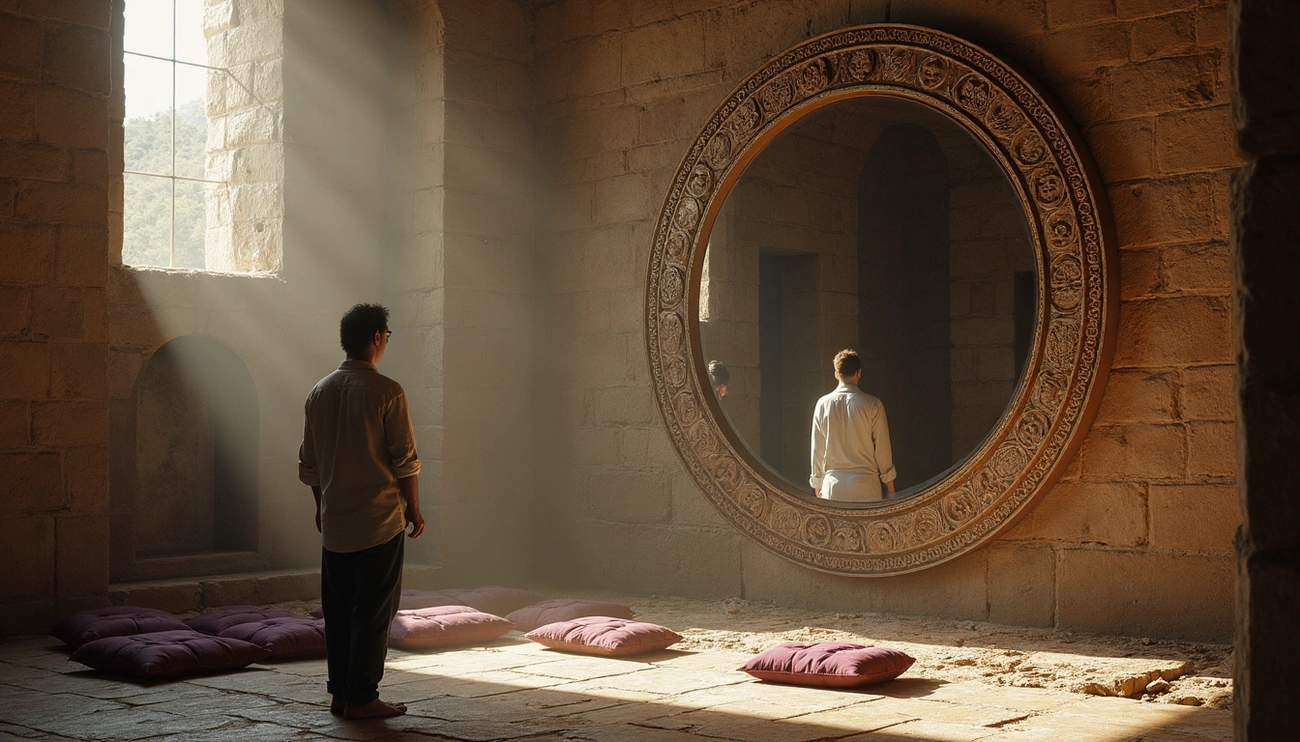
Carl Jung’s spiritual insights reveal fascinating patterns that shape our minds and lives. Archetypes, which serve as the basic building blocks of human consciousness, shape our thoughts, actions, and emotions. These universal symbolic patterns exist in our shared human consciousness and resonate across cultures and throughout history.
The concept of archetypes leads us to a deeper understanding of what Jung called the collective unconscious—our shared psychological heritage that surpasses time and space. Jung’s model breaks down our psyche into three key elements: the ego, personal unconsciousness, and collective unconsciousness. His theory of archetypes stands as one of his greatest contributions to psychology. These primordial images have existed since ancient times.
The power of archetypes lies in their ability to fuel our spiritual growth. Myths speak a language that connects with the universal parts of our nature. Every mythological narrative acts as a mirror that shows us the complexity of our lives and helps us understand our pain, challenges, and longings. Our connection to these archetypal patterns goes beyond intellectual curiosity—it plays a crucial role in our psychological growth.
This piece will show how Jung’s spiritual wisdom can light up our self-understanding and guide us toward wholeness and integration.
Understanding Jung’s Model of the Psyche
Carl Jung’s powerful theory of archetypes and spirituality stems from his groundbreaking model of the human psyche. His framework went beyond his mentor Freud’s teachings and explored universal patterns that all humans share, not just individual experiences.
The ego, personal unconscious, and collective unconscious
Jung’s model splits the psyche into three connected realms that play vital roles in our psychological and spiritual growth:
The Ego works as your conscious mind—the part you know as “me.” Your conscious thoughts, memories, perceptions, and current awareness live here. This ego helps you direct your daily life through rational thinking and conscious choices.
The Personal Unconscious holds forgotten or buried material from your life experiences. Here lie memories that have slipped away from consciousness, painful experiences you’ve pushed down, and what Jung called “complexes.” These complexes are emotionally charged idea clusters that can shape your behavior without you knowing. Dreams, emotional triggers, and unconscious actions often reveal these complexes.
The Collective Unconscious stands as Jung’s most innovative addition to psychology. This deeper layer carries inherited psychological structures that all humans share, whatever their culture or personal history. Unlike your personal unconscious that grows throughout your life, the collective unconscious is ancient and universal—as natural as your body’s physical structure.
How archetypes fit into Jung’s psychoanalytic theory
Archetypes live mainly in the collective unconscious as universal patterns. These fundamental building blocks of the collective unconscious are ancient images that shape human experience similarly across cultures and time.
Jung saw archetypes as “similar psychic structures common to all” that carry massive psychic energy. We can’t see an archetype in its pure form, but they show themselves through:
-
Symbolic imagery in dreams and visions
-
Universal themes in mythology and religion
-
Emotional and behavioral patterns in our personal lives
These archetypes create a connection between our conscious awareness and the deepest parts of our unconscious. They work as guiding principles that mold our response to life’s big moments like birth, death, success, failure, and love.
The Mother archetype shapes how we see nurturing figures, while the Hero archetype influences our response to challenges. The Shadow archetype holds parts of ourselves we push away or deny.
Jung’s theory offers special value for spiritual growth because archetypes aren’t just psychological concepts—they’re dynamic energy patterns. These patterns can either control us unconsciously or help us grow when we understand them. Jung believed that working with archetypes through dreams, active imagination, and symbolic experiences was vital for “individuation”—becoming psychologically complete and genuine.
Jung’s model stands apart from purely materialistic approaches by embracing human experience’s spiritual side. Understanding archetypal patterns in your life opens doors to ancient wisdom buried in the human psyche, leading to deeper self-knowledge and real change.
What Are Archetypes and Where Do They Come From?
“Psychologically, however, the archetype as an image of instinct is a spiritual goal toward which the whole nature of man strives; it is the sea to which all rivers wend their way, the prize which the hero wrests from the fight with the dragon.” — Carl Jung, Founder of Analytical Psychology
Archetypes are the life-blood of Jung’s spiritual psychology. They represent universal patterns that emerge through time and cultures. These powerful symbolic elements show how our minds connect through a shared psychological inheritance that surpasses individual experience.
Jung’s concept of archetypes explained
Archetypes are universal, inborn models of personality and behavior that shape our understanding and response to the world. Jung saw them as “typical modes of apprehension” that appear whenever we encounter “uniform and regularly recurring modes of apprehension” [1]. They embody fundamental human experiences and emotions that have been part of our collective heritage throughout history.
Jung first called these patterns “primordial images” before he settled on the term “archetypes” [2]. The concept dates back to Philo Judaeus, who used it to describe the “Imago Dei” (God-image) in humanity. Irenaeus stated that “The creator of the world did not fashion these things directly from himself but copied them from archetypes outside himself” [3].
Archetypes are nowhere near as superficial as stereotypes. They work as organizing principles that mold our perceptions, behaviors, and relationships both consciously and unconsciously [4]. Jung noted in “The Structure and Dynamics of the Psyche” that “All the most powerful ideas in history go back to archetypes” [5].
The role of the collective unconscious
The “collective unconscious” – Jung’s term for a universal version of personal unconscious – gives rise to archetypes. This deeper layer contains mental patterns that humanity shares [6]. We don’t learn it from experience; it comes naturally and remains similar across all humans [3].
Jung strongly opposed the concept of tabula rasa—the idea that the human mind starts as a blank slate [5]. He believed our minds keep fundamental, unconscious biological aspects inherited from our ancestors. These ancient patterns are the foundations of human experience, much like instincts [2].
The collective unconscious communicates through symbolic language that appears in dreams, visions, myths, religious symbols, and creative expressions [6]. Jung believed these archetypal patterns develop over evolutionary time spans that go beyond a single human lifetime [1].
Examples of universal archetypes across cultures
Archetypes consistently appear in different cultures and time periods. Similar themes, characters, and motifs have emerged in mythology, religion, literature, and art worldwide without direct cultural contact [6].
Some examples of universal archetypes include:
-
The Mother: Shows up as mothers, grandmothers, stepmothers and extends to concepts like Mother Nature, the Church, or Paradise [1]
-
The Hero: Symbolizes human courage and greatness by overcoming challenges and improving the world [7]
-
The Trickster: Exists in cultures worldwide as a symbol of chaos and transformation that highlights human nature’s complexity [7]
-
The Shadow: Represents parts of ourselves we deny or reject [2]
Jung identified four major archetypes—the persona, the shadow, the anima/animus, and the self—while noting that many more exist [5]. These patterns take different forms based on cultural context. The same archetypal energy might appear as an eagle in one culture or as an airplane in a modern dream [1].
These universal patterns offer deep insights into our shared human experience. They reveal consciousness’s spiritual dimensions that connect us all beyond our individual identities.
The 5 Core Archetypes That Shape Your Soul’s Journey
Jung’s archetypal psychology shows five key patterns that shape our spiritual development. These powerful symbols come from our collective unconscious and guide us through our personal experience. They offer wisdom about our inner growth path.
1. The Hero – Overcoming inner and outer challenges
The Hero archetype shows how we face life’s difficulties with courage and determination. Heroes are more than characters in stories – they represent our psychological growth through trials and hardships. We see this archetype when we face our fears, take risks, and push through obstacles.
A hero’s experience has three key stages: separation from familiar ground, initiation through trials, and return with newfound wisdom. As this archetype grows within us, we build resilience and strength. We learn to turn challenges into opportunities.
2. The Shadow – Facing your hidden self
The Shadow stands among Jung’s most important findings. It holds parts of ourselves we’ve pushed away or denied. These unconscious elements include both negative traits and positive qualities we haven’t recognized. We need to see how we project these traits onto others – noticing in them what we can’t see in ourselves.
Shadow work brings unconscious material into our awareness through dreams, imagination, and self-reflection. When we embrace these hidden parts, we free up energy we once used to suppress them. This helps us become more genuine and complete.
3. The Anima/Animus – Balancing inner masculine and feminine
The Anima (feminine aspect in men) and Animus (masculine aspect in women) show our inner opposite-gender counterparts. These archetypes connect us to our unconscious and affect our relationships, especially romantic ones.
The Anima/Animus grows through various stages – from basic biological projections to figures of spiritual wisdom. When we integrate these energies, we find psychological wholeness, creative expression, and balanced relationships.
4. The Wise Old Man/Woman – Accessing inner guidance
This archetype appears as mentors, teachers, or inner guides with deep knowledge. Inside us, the Wise figure represents our intuition, life experience, and connection to deeper truths.
We connect with this archetype through meditation, reflection, and listening to our inner voice. This helps us develop better judgment and see beyond our current situation.
5. The Self – The archetype of wholeness and integration
The Self acts as the central force in our psyche. It represents our full potential and brings together conscious and unconscious elements. We see this archetype in symbols of wholeness like mandalas, sacred geometric patterns, or divine figures.
The path to Self-realization (individuation) brings all aspects of our personality together into one whole. This process helps us find authenticity, meaning, and purpose that lines up with our true nature.
How Archetypes Influence Your Emotions, Behavior, and Growth
“Archetypes are collective and the most powerful influence on our behavioral dynamics.” — Carl Jung, Founder of Analytical Psychology
Archetypes shape our inner lives as invisible forces that influence how we feel, act, and grow. These basic patterns do more than exist as theories—they actively shape our daily experiences in both small and dramatic ways.
Archetypes as patterns of instinctual behavior
Jung saw archetypes as “the unconscious images of the instincts themselves” that represent natural patterns of instinctual behavior. These patterns work like biological urges and trigger predictable responses when activated. We inherit these patterns just like our physical traits, and they work as psychological versions of our biological instincts.
Jung explained how archetypes guide our growth through programmed sequences he called the “stages of life.” Different archetypal forces intervene at each stage and seek fulfillment through action. These stages include experiences such as being parented, initiation, courtship, marriage, and preparing for death.
Emotional triggers and symbolic meaning
Symbols act as powerful triggers for archetypal responses. Archetypal symbols in art, dreams, or daily life trigger specific emotional reactions that come from our collective unconscious. Jung noted that emotions bridge archetypes to living individuals.
These symbolic triggers can show up as:
-
Amplified Symbolic Releasers (ASRs) that boost emotional responses
-
Cultural symbols that strengthen identity and belonging
-
Personal images that trigger automatic behavior patterns
The role of archetypes in personal transformation
Archetypal integration serves what Jung called “individuation”—the process of becoming psychologically complete. This trip toward self-realization happens when we recognize and integrate archetypal influences instead of letting them control us unconsciously.
Facing archetypal forces can challenge us but opens a path to real change. You can reclaim psychological energy previously used for repression by bringing unconscious archetypal patterns into awareness. This process helps discover your full potential and lets you live more authentically by making choices that match your true nature.
Working with Archetypes for Spiritual Development
Archetypes provide a gateway to spiritual growth that goes beyond theory into real experience. Jung created specific ways to access and integrate these powerful symbolic energies into our conscious awareness.
Using dreams and active imagination
Dreams give us direct access to archetypal material through symbolic language that connects conscious and unconscious. Jung developed active imagination as another method for people who don’t often remember their dreams or need different ways to connect with their unconscious.
Active imagination lets you talk with parts of your unconscious. You bring emotions, symbols, and subpersonalities into awareness through your imagination. This process needs you to consciously work with unconscious material, unlike casual daydreaming. Jung highlighted two main stages: let unconscious material surface naturally, then connect it with your conscious mind.
Shadow work and integration
Shadow integration starts when you acknowledge parts of yourself you’ve pushed away. The goal isn’t to celebrate negative traits but to see them and understand where they come from. You need to bring these shadow elements into your awareness and use their energy in positive ways.
A balanced sense of self emerges when you include shadow aspects. You project less onto others and accept yourself more. Shadow work doesn’t mean you approve of harmful behaviors – it helps you reclaim energy you spent hiding parts of yourself.
Recognizing archetypes in daily life
Archetypes show up in our everyday experiences, from how we talk to how we react emotionally. You develop better self-awareness by watching these patterns in yourself and others. Great insights into unconscious motivations come when you notice an archetype taking over you or someone else.
The most important thing is to build a relationship with your center – your true self. This connection helps you observe archetypal energies without letting them control you.
The path of individuation and self-realization
Individuation is Jung’s life-blood concept for spiritual development. This process helps you become psychologically whole and authentic. Your trip involves working with archetypal forces consciously instead of letting them rule you unconsciously.
The path aims for integration, not perfection. You need to bring conscious and unconscious elements together harmoniously. This journey takes courage, patience, and openness to face unknown parts of yourself. You end up with greater self-acceptance, meaning, and what Jung called “a consciousness detached from the world” – an inner strength that helps you face life’s challenges.
Conclusion
Jung’s archetypal psychology gives us a clear path to spiritual development and self-discovery. Our exploration shows these universal patterns exist in our collective unconscious. They shape our perceptions, emotions, and behaviors in ways we might not realize.
Archetypes exceed cultural boundaries and historical periods. They appear consistently in human experiences worldwide. The Hero, Shadow, Anima/Animus, Wise Elder, and Self are powerful forces that guide our experience toward wholeness. These symbols and narratives appeal deeply to us, whatever our background or upbringing.
Dreams and active imagination open doors to archetypal wisdom. We can access and blend unconscious material that might stay hidden otherwise. Shadow work is challenging but helps us grow. We reclaim parts of ourselves we’ve disowned and reduce our unconscious projections onto others.
The individuation process remains the ultimate goal of Jungian spiritual development. It’s a path toward psychological integration and authenticity that needs courage to face unknown parts of ourselves. The rewards are beyond measure. We gain better self-awareness, deeper relationships, improved creativity, and a rich sense of meaning.
Archetypes aren’t just abstract theories – they’re living energies that shape our daily experiences. Only when we are willing to see their influence can we move from unconscious reaction to conscious response. Jung’s spiritual wisdom goes beyond intellectual interest and gives us practical tools to grow.
Our path to wholeness has no end. Each step we take to understand these archetypal patterns brings us closer to what Jung called “self-realization.” We learn to live authentically and purposefully, guided by the wisdom in our collective human inheritance. This path challenges us but guides us to the greatest treasure: becoming our true selves.
Key Takeaways
Jung’s archetypal psychology reveals universal patterns that guide spiritual development and self-understanding through the collective unconscious.
• Five core archetypes shape your soul’s journey: Hero (overcoming challenges), Shadow (hidden self), Anima/Animus (inner balance), Wise Elder (guidance), and Self (wholeness)
• Shadow work unlocks transformation by integrating repressed aspects of yourself, reclaiming psychological energy previously spent on denial and projection
• Dreams and active imagination provide direct access to archetypal wisdom, bridging conscious awareness with unconscious symbolic material
• Individuation is the ultimate spiritual goal – becoming psychologically whole by consciously integrating archetypal forces rather than being unconsciously dominated by them
• Archetypes influence daily emotions and behaviors through symbolic triggers and instinctual patterns, making recognition essential for conscious living
The path to self-realization requires courage to face unknown aspects of yourself, but leads to authentic living guided by humanity’s collective wisdom. Jung’s framework offers practical tools for transformation, moving beyond theory into lived spiritual experience.
FAQs
Q1. What are archetypes according to Carl Jung? Archetypes are universal patterns or symbols that exist in the collective unconscious of all humans. They represent fundamental human experiences and emotions that have been part of our shared psychological inheritance throughout history. Jung described archetypes as organizing principles that shape our perceptions, behaviors, and relationships in both conscious and unconscious ways.
Q2. How do archetypes influence our daily lives? Archetypes exert a profound influence on our emotions, behaviors, and personal growth. They function as invisible forces that shape how we feel and act, triggering specific emotional reactions when we encounter archetypal symbols in art, dreams, or everyday life. Recognizing these patterns can lead to greater self-awareness and understanding of our unconscious motivations.
Q3. What are the five core archetypes that shape our spiritual journey? The five core archetypes that shape our spiritual journey are: 1) The Hero – representing our capacity to face challenges, 2) The Shadow – embodying aspects of ourselves we’ve rejected or repressed, 3) The Anima/Animus – balancing inner masculine and feminine energies, 4) The Wise Old Man/Woman – symbolizing inner guidance and wisdom, and 5) The Self – representing wholeness and integration of all aspects of our personality.
Q4. How can one work with archetypes for personal growth? Working with archetypes for personal growth involves several methods: using dreams and active imagination to access archetypal material, engaging in shadow work to integrate repressed aspects of oneself, recognizing archetypal patterns in daily life, and pursuing the path of individuation towards self-realization. These practices can lead to greater self-awareness, authenticity, and psychological wholeness.
Q5. What is the ultimate goal of Jungian spiritual development? The ultimate goal of Jungian spiritual development is individuation – the process of becoming psychologically whole and authentic. This journey involves consciously engaging with archetypal forces rather than being unconsciously dominated by them. Individuation leads to greater self-acceptance, a deeper sense of meaning, and the ability to live more authentically by aligning with one’s true nature.
References
[1] – https://en.wikipedia.org/wiki/Collective_unconscious
[2] – https://en.wikipedia.org/wiki/Jungian_archetypes
[3] – https://www.jungiananalysts.org.uk/wp-content/uploads/2018/07/C.-G.-Jung-Collected-Works-Volume-9i_-The-Archetypes-of-the-Collective-Unconscious.pdf
[4] – https://positivepsychology.com/jungian-archetypes/
[5] – https://www.verywellmind.com/what-are-jungs-4-major-archetypes-2795439
[6] – https://www.simplypsychology.org/carl-jung.html
[7] – https://www.numberanalytics.com/blog/archetypes-across-cultures-comparative-study
Leave a Reply