
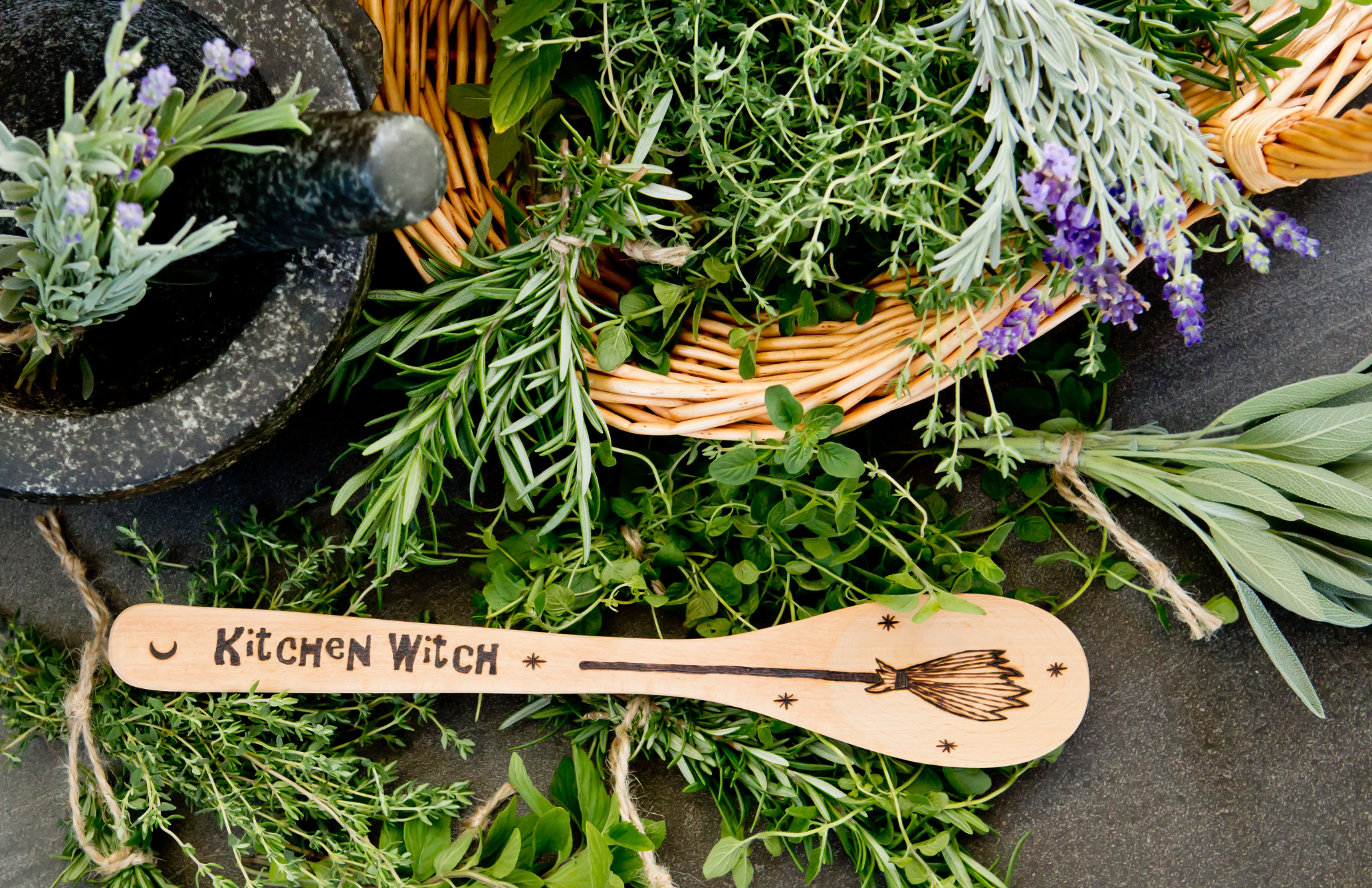
Spiritual herbs do much more than add flavor to our meals. Nature provides healing power that nurtures our psychological well-being and feeds our spiritual side . My years of working with herbs have shown me how these botanical allies can revolutionize both our emotional state and spiritual practice.
Kitchen herbs pack profound healing properties. Chamomile stands out as a versatile herb. It soothes while holding spiritual significance for friendship, luck, money, and healing . Lavender brings peace and relaxation whether used in cooking or as incense. It helps promote tranquility and boost meditation . These herbs work on multiple levels – lavender and chamomile act as nervines and antispasmodics that calm our nervous and muscular systems .
This piece explores herbs’ dual nature as culinary ingredients and spiritual tools. Sage has supported mind, body, and spirit in Ayurvedic medicine for centuries . Rosemary serves as protection, cleansing, love, healing, and feminine power . Your kitchen can become a sacred space for emotional regulation and spiritual connection through these powerful herbs.
Herbs that support emotional balance
“The power of herbs transcends scent and flavor.” — Judy Ann Nock, Author of ‘The Modern Witchcraft Guide to Magickal Herbs’, expert in modern witchcraft and herbalism
Herbs have amazing abilities to control our emotions through their biochemical properties. My research into these natural allies shows how they affect our emotional wellbeing when we make them part of our daily routines.
Chamomile for calming anxiety
Chamomile proves to be a top anxiety-relieving herb. Research shows it reduces anxiety symptoms by interacting with gamma-aminobutyric acid (GABA) receptors in the brain [1]. A systematic review of 10 research papers found that 9 studies confirmed chamomile’s effectiveness in reducing anxiety [1]. The flavonoid apigenin in chamomile creates sedative effects by changing neurotransmission pathways [1]. A warm cup of chamomile tea before bed helps me transition smoothly into restful sleep and eases my anxious thoughts.
Lemon balm for uplifting mood
Lemon balm acts as a mood booster and anxiolytic herb. Studies show it reduces state anxiety by a lot at both 1 and 3 hours after taking it [2]. It calms you down by interacting with GABA-ergic systems, just like conventional anxiolytics [2]. On top of that, it works as both an anxiolytic and anti-depressant while boosting cognitive function and sleep quality [3]. Whenever I feel overwhelmed, I steep fresh lemon balm leaves in hot water and let its citrusy aroma and mood-lifting compounds restore my emotional balance.
Rose for healing emotional wounds
Rose works as a powerful heart healer, especially during times of deep grief. This spiritual heart protector and exhilarant opens and clears blocked emotional energy [4]. Rose helps us move through difficult emotions in a balanced way and accept grief while keeping healthy boundaries [4]. Its cooling, anti-inflammatory benefits go beyond physical healing to emotional wellbeing [5]. Rose tincture (1-3 drops) gives me quick grief support and lets emotions flow naturally instead of getting stuck.
Lavender for stress relief and sleep
Clinical studies show lavender reduces anxiety as effectively as 0.5 mg/daily lorazepam [6]. It calms you through the limbic system, particularly your amygdala and hippocampus [6]. Multiple meta-analyzes confirm that lavender aromatherapy lowers stress levels substantially [7]. I keep dried lavender by my bed or add essential oil drops to my pillow to create a peaceful space for emotional healing and restful sleep.
Spiritual herbs and their deeper meanings
“Thyme is known as a master attractor. It is also used to relieve emotional trauma and to let go of the past.” — Adriana Ayales, Herbalist, founder of Anima Mundi Herbals
Common herbs do more than just flavor our food – they hold deep spiritual meaning that cultures have recognized for centuries. These plants serve as both physical healers and bridges to ancient wisdom and spiritual practices.
Sage for cleansing and protection
Sage has earned deep respect throughout history for its purifying abilities. People traditionally use it in smudging ceremonies to clear negative energies and create sacred spaces. A burning sage smudge stick helps drive away harmful energies and draws wisdom closer [8]. Sage’s essence absorbs negativity and misfortune while lifting our spirits beyond everyday worries [9]. The herb helps build emotional resilience and processes grief and stuck emotions [10]. This makes sage a vital herb to protect our spiritual well-being.
Rosemary for memory and clarity
Ancient cultures knew rosemary as the “herb of remembrance.” Greek students wore rosemary garlands to boost their memory during exams [11]. Science now backs this tradition – rosemary contains compounds like carnosic acid that work with brain neurotransmitters crucial for learning and memory [12]. This spiritual ally acts as an “energetic heal-all” that people use for purification, protection, success, and mental clarity [9]. Its aroma clears mental fog and opens channels to ancestral wisdom.
Mint for renewal and abundance
Mint brings more than refreshment – it symbolizes spiritual renewal and prosperity. This bright herb excels at cleansing negative energy and making room for fresh starts [13]. Mint’s vibrant green leaves represent growth and financial success [14]. Spiritual practices with mint sharpen intuition, enhance mental clarity, and attract wealth and opportunities [14]. The herb’s invigorating nature makes it perfect for renewal rituals and abundance manifestation.
Thyme for courage and inner strength
Medieval history shows thyme’s powerful connection to bravery and resilience. Knights received cloaks with embroidered thyme as a symbol of courage before battle [15]. Spiritual practitioners use thyme to strengthen willpower and self-assurance, which helps during tough transitions or when confronting fears [16]. The herb clears mental fog and promotes focus and good judgment [16]. Whether in cooking or ritual, thyme carries an energy of perseverance and protection that reminds us how strength often comes through quiet persistence [15].
How to use herbs in your kitchen rituals
Your kitchen activities become sacred rituals that help realize the full potential of herbs for emotional balance and spiritual connection. The witch’s kitchen turns herbs into tools that demonstrate intentions and create meaningful change.
Infuse herbs into teas and tonics
Herbal teas create a direct connection to plant medicine. A calming blend needs chamomile, lavender, or lemon balm steeped for 5-7 minutes in hot water. Your intention matters most while stirring clockwise to attract positive energy. Each sip gives you a chance for mindfulness and healing. The herbs work through aroma and ingestion to soothe your nervous system.
Create herbal bath soaks for emotional release
Herbal baths are a great way to get emotional release through water and plant medicine. Mix Epsom salts with dried lavender, rose petals, and chamomile to create a relaxation soak. Adding oatstraw and damiana creates a bath that nourishes your nervous system and boosts sensuality. Your negative emotions dissolve into the water as you soak.
Cook with intention using spiritual herbs
Cooking itself works like alchemy—transformative and magical. You cast a “spell” through food by adding rosemary while focusing on clarity, or cinnamon with thoughts of abundance. Without doubt, stirring intentions directly into soups and sauces while visualizing your desired outcome creates the most powerful effect.
Make herbal sachets for your altar or space
Small herb pouches hold concentrated magical intention. Protection requires:
-
Rosemary, sage, and bay leaf
-
Black pepper for banishing negativity
-
Garlic skin for traditional protection
Your purpose needs to be spoken three times to seal the intention. The sachets work their magic continuously when placed under pillows, in drawers, or on altars.
Growing and sourcing herbs for spiritual healing
Growing your own herbs creates a special bond between you and your plants that boosts your spiritual work. This connection grows stronger as you nurture plants from seed to maturity, and the energetic bonds make your magical practice more powerful.
Tips for growing herbs at home
Start small with easy-to-grow herbs like chamomile, lemon balm, sage, and rosemary. These plants need minimal care but are a great way to get magical benefits. Most herbs do well in well-drained soil and need at least six hours of sunlight each day. Containers work great for small spaces—just note that aggressive spreaders like mint need their own pots or they’ll take over.
Choosing herbs based on your emotional needs
Rather than growing everything, pick herbs that help with your specific emotional challenges. Holy basil helps you adapt to stress, while lavender helps you relax and sleep better. Lemon balm brightens your mood, and chamomile calms anxiety. By choosing carefully, you’ll build your own custom apothecary that fits your emotional needs.
Ethical sourcing and sustainability
Ethical sourcing helps protect biodiversity and ensures fair working conditions. Stay away from endangered plants like white sage that face overharvesting. Ethically sourced herbs usually have shorter supply chains, which means fresher products that keep their medicinal properties.
Creating a sacred herb garden
Your sacred garden should start with clear intentions. Many practitioners set up elemental altars in their gardens to represent earth, water, and sky. Before you plant, give a simple blessing to acknowledge the elements and ask them to help nurture growth.
Conclusion
Our experience with the witch’s kitchen has shown how everyday herbs become powerful allies that help regulate emotions and boost spiritual growth. Without doubt, these botanical friends do more than just enhance cooking—they share ancient wisdom that links us to nature’s healing abilities.
Herbs turn regular kitchen tasks into sacred rituals. Every time you steep chamomile to ease anxiety or cook with rosemary to clear your mind, you take part in age-old herbal magic. These mindful practices create deep connections in our fast-paced lives.
Herbs work their magic on both emotional and spiritual levels. Lavender soothes your nerves and creates a perfect space to meditate. Sage works the same way—it clears negative energy from your home and helps you deal with grief and tough emotions. This two-fold nature makes herbs great tools for overall wellness.
Your magical practice gets stronger when you grow your own herbs. The bond between you and your plants provides fresh ingredients for kitchen witchery. Even a small windowsill with lemon balm, mint, or thyme helps you stay connected to nature’s cycles and seasons.
Magic lives in simple acts—stirring your intentions into soup or tucking a protective sachet under your pillow. These small, conscious choices create positive changes that ripple through your life.
The witch’s kitchen brings us back to old wisdom that sees food as medicine for body and spirit. Let your intuition guide you as you work with these herbal allies and watch how they shift your emotions and spiritual awareness. Kitchen witchery opens endless paths to grow, heal, and connect with nature around us.
Key Takeaways
Transform your kitchen into a sacred space where common herbs become powerful allies for emotional healing and spiritual growth through intentional cooking and ritual practices.
• Chamomile, lemon balm, rose, and lavender effectively regulate emotions through GABA receptors, reducing anxiety and promoting restful sleep when used in teas and cooking.
• Sage, rosemary, mint, and thyme carry deep spiritual meanings—sage cleanses negative energy, rosemary enhances memory and clarity, mint attracts abundance, and thyme builds courage.
• Kitchen rituals with herbs include brewing intentional teas, creating herbal bath soaks for emotional release, cooking with focused intention, and making protective sachets for sacred spaces.
• Growing your own herbs creates energetic bonds that enhance magical practice, while ethical sourcing preserves biodiversity and ensures potent medicinal properties.
• Simple daily practices like stirring intentions into soup or placing herb sachets under pillows create meaningful connections to ancient wisdom without requiring elaborate rituals.
The witch’s kitchen represents a return to traditional wisdom where food serves as medicine for both body and spirit, offering endless opportunities for holistic healing through mindful herbal practices.
FAQs
Q1. What are some common herbs used for emotional balance in kitchen witchery? Chamomile, lemon balm, rose, and lavender are popular herbs used for emotional regulation. Chamomile and lavender help reduce anxiety and promote sleep, while lemon balm uplifts mood and rose aids in healing emotional wounds.
Q2. How can I incorporate herbs into my daily spiritual practice? You can infuse herbs into teas or tonics, create herbal bath soaks, cook with intention using spiritual herbs, or make herbal sachets for your altar or living space. These practices help connect you with the herbs’ energies and intentions.
Q3. What are some spiritual meanings behind common kitchen herbs? Sage is associated with cleansing and protection, rosemary with memory and clarity, mint with renewal and abundance, and thyme with courage and inner strength. These meanings can be incorporated into your spiritual practices and cooking.
Q4. Is it better to grow my own herbs or purchase them for spiritual use? Growing your own herbs creates a deeper connection and enhances your magical practice. However, if you can’t grow them, ethically sourcing herbs is important. Choose based on your space, time, and specific emotional or spiritual needs.
Q5. How can cooking with herbs support emotional well-being? Cooking with herbs mindfully can be a form of kitchen witchery. By focusing on the herb’s properties and your intentions while preparing food, you can create meals that not only nourish the body but also support emotional balance and spiritual connection.
References
[1] – https://pmc.ncbi.nlm.nih.gov/articles/PMC11109927/
[2] – https://pmc.ncbi.nlm.nih.gov/articles/PMC4245564/
[3] – https://pmc.ncbi.nlm.nih.gov/articles/PMC11510126/
[4] – https://clinicalherbalism.com/rose-benevolence-for-the-emotional-heart/
[5] – https://theherbalacademy.com/blog/rose-grief-support/?srsltid=AfmBOooREYwB_nNXMVRk9APybfA1WnJa35pZtsaRTjarLMARI6_sX4LK
[6] – https://pmc.ncbi.nlm.nih.gov/articles/PMC3612440/
[7] – https://www.sciencedirect.com/science/article/pii/S0965229922000346
[8] – https://www.renewspamemphis.com/901-holistic-wellness/magical-herbology-discover-the-power-of-herbs-in-your-holistic-practices
[9] – https://animamundiherbals.com/blogs/blog/kitchen-witchery-classic-herbs-found-in-a-witchs-kitchen?srsltid=AfmBOoqSTvbnQ4Rv4b3VnycVDD1Zys4HcOddoSqORI6aOqa1vsFxZYTb
[10] – https://animamundiherbals.com/blogs/blog/herbs-and-tools-for-energetic-protection?srsltid=AfmBOopUr7Zb1x2SZ5LoXHGeVss_JyntBwmKrP4PqJ5M7BJKx_mkQLUS
[11] – https://sitbreathebalance.com/resources/10-everyday-herbs-with-spiritual-and-sacred-significance/
[12] – https://theconversation.com/rosemary-has-been-linked-to-better-memory-lower-anxiety-and-even-protection-from-alzheimers-256920
[13] – https://adornedintaji.com/blogs/herbs-plants/mint-medicinal-and-spiritual-properties-for-healing-and-clarity?srsltid=AfmBOooHFa4M8P9GcTHbVv2rJcz7oJGNCGUp9THcHO9UKCHUp2PfoFbS
[14] – https://nkhtarot.com/blogs/hexe-and-hearth-by-nkh/properties-of-mint-in-witchcraft?srsltid=AfmBOoqwv2HuoZLbJmfpSrZrbnDT2CC_8UlRLotKki54MfEl7MO-xvSD
[15] – https://www.kirstenkatz.com/en-us/blogs/blog/thyme-a-herb-for-courage-strength-healing?srsltid=AfmBOorvil9CvC4_XSumUfOHrqCKxF6V5SQdGD1LG0ZD7dsAdxng0QsQ
[16] – https://adornedintaji.com/blogs/herbs-plants/thyme-medicinal-and-spiritual-properties-for-healing-and-strength?srsltid=AfmBOorw7QeVuvLkwDaJHDRozJETzyluzt8mRLcKdckI4dLG3S62e-FH
Leave a Reply