
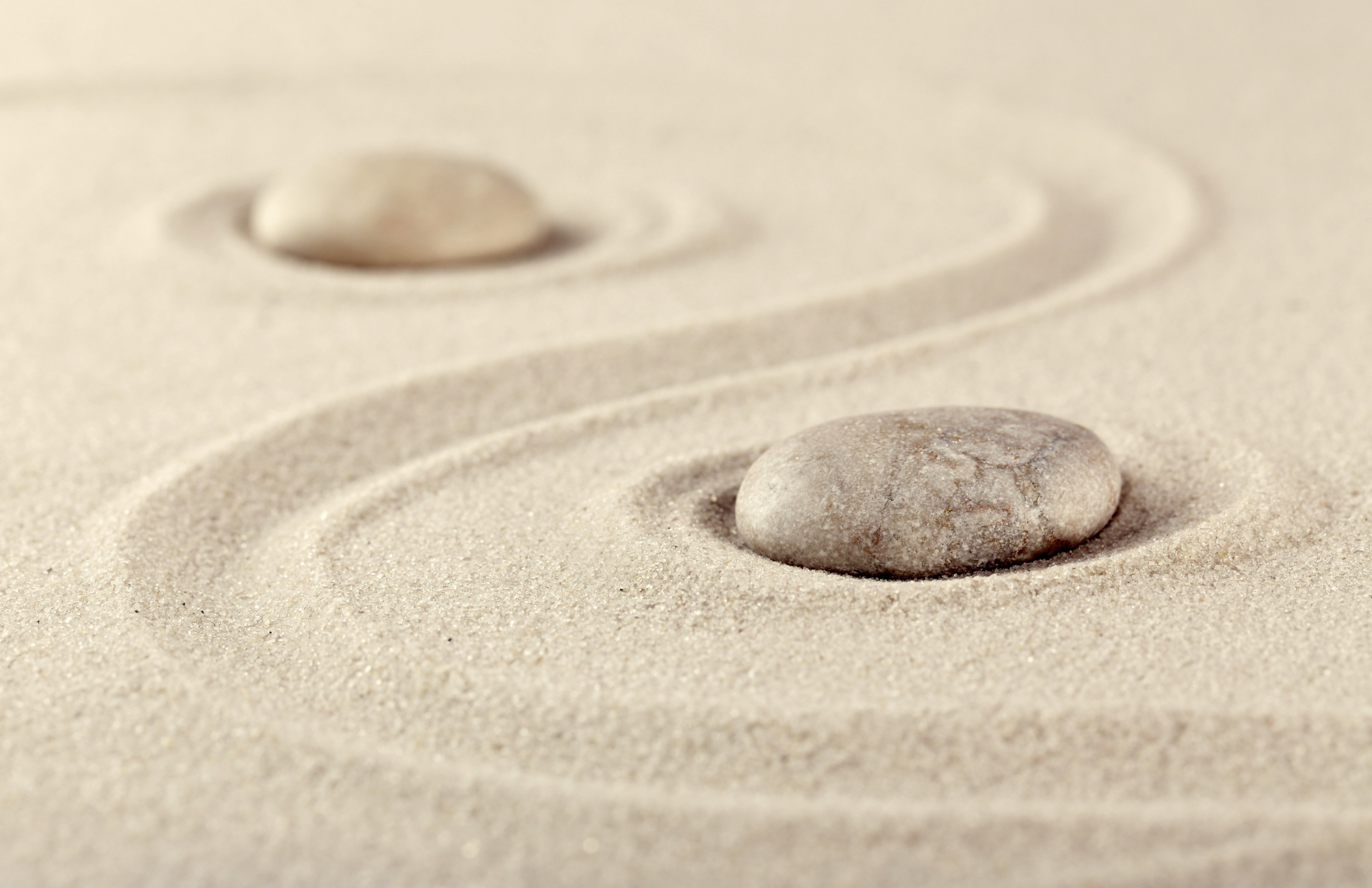
The ancient concept of balancing Yin and Yang offers a powerful path to integrated wellness in our hectic modern lives. Traditional Chinese Medicine suggests that most health issues stem from Yin and Yang falling out of balance. Your entire system becomes stronger and healthier once these complementary energies are coordinated.
Yin and Yang play a crucial role in our wellbeing. Chinese philosophy reveals these opposing but interconnected forces that shape our lives and health directly. Mental health finds its equilibrium between positive and negative forces through the Yin-Yang approach, making it valuable for anyone seeking inner peace. Research shows that balance-focused practices like tai chi and qigong help with various conditions – from anxiety and depression to hypertension and Parkinson’s disease. We’ll explore this ancient wisdom’s practical applications in this piece and help you spot imbalances. You’ll learn effective strategies to restore your natural balance in everyday life.
Yin Yang Meaning in Life and Philosophy
“…When you’re in the darkness, know that the light will come. We are light and dark, sun and moon, male and female, yin and yang; life is composed of opposites, in a continuing cycle of change…. When you are in the light, don’t step back into the darkness. Live in that light, and breathe it in fully.” — Kathryn E. Livingston, Author of ‘Yin, Yang, Yogini: A Woman’s Quest for Balance, Strength, and Inner Peace’
The ancient Chinese concept of Yin and Yang gives us a deep explanation about life’s true nature. This philosophy shows us that forces which seem to oppose each other actually work together as parts of something bigger. The wisdom we get from understanding this balance goes way beyond the reach and influence of theory and gives us practical guidance through life’s challenges.
Understanding duality and unity
Yin and Yang show us existence’s dual nature – opposing forces that work together and keep each other going. These forces don’t stand alone but create a system where everything works better together. Yin and Yang are the foundations of classical Chinese science, medicine, and philosophy.
Yin represents receptive, passive, and feminine qualities – dark, cool, soft, and contemplative elements. Yang, on the other hand, embodies active, expansive, and masculine traits – energetic, warm, and light characteristics. Notwithstanding that, these differences don’t judge what’s good or bad. Taoist metaphysics teaches us that differences between “good” and “bad” exist only in our minds, not as absolute truths.
The concept becomes fascinating because Yin and Yang oppose yet exist in perfect harmony. Their equality and interdependence create balance through constant change. Nature’s cycles – from changing seasons to life and death rhythms – showcase this interplay of forces.
The Taijitu symbol and its message
The Taijitu (太極圖), meaning “diagram of the Supreme Ultimate,” stands as the famous black-and-white circular symbol of Yin and Yang. Oracle bones from the 14th century BCE first showed this ancient symbol used to predict the future. Chinese scholars from various schools actively studied these concepts by the 8th century BCE. They learned about how these forces shaped nature and human life.
The symbol holds deep messages. A circle shows wholeness and unity, while a curved line between black and white parts suggests smooth movement instead of strict division. Each side has a small dot of the opposite color, showing that Yin carries Yang’s seed, and Yang holds Yin’s seed. This reminds us that nothing stays completely one-sided – pure states neither exist nor benefit us.
The smooth boundary between halves shows these forces constantly changing into each other, creating life’s endless movement. This swirling pattern proves that balance stays dynamic, not static – like an endless dance of energies flowing together.
How Yin and Yang relate to Taoist thought
Taoism teaches that Yin and Yang come from the Tao (the Way) – the infinite oneness that creates all existence. Zhou Dunyi, a brilliant Taoist philosopher, described this as “Non-polar (wuji) and yet Supreme Polarity (taiji)!” His paradoxical statement captures unity creating duality, which then makes everything else exist.
The Taoist text Huainanzi explains how “Primordial Breath” (yuanqi) split into light ethereal yang breath forming heaven, and heavier yin breath creating earth. Their interaction produced the “Ten Thousand Things” – everything in our universe. Taoist tradition sees these forces as inseparable parts of the cosmic order.
Taoism’s practical wisdom comes from accepting Yin and Yang’s natural balance – not choosing sides but embracing how they complete each other. Tai Chi practitioners physically show this philosophy through circular movements that capture these cosmic forces’ flowing nature.
Our connection with the universe grows deeper when we line up with this natural balance. This understanding helps us find inner harmony that exceeds surface-level differences.
Signs Your Yin and Yang Are Out of Balance
Your body signals its energy imbalances before you might notice something’s wrong. Traditional Chinese Medicine sees health problems as signs of Yin-Yang imbalances that block Qi (vital energy) from flowing through your body.
Emotional signs: anxiety, burnout, apathy
Your emotions can reveal energy imbalances before physical symptoms appear. Too much Yang energy in your system might make you irritable, frustrated, and inappropriately angry – signs often linked to liver imbalances [1]. A lack of Yin typically brings anxiety, restlessness, and that exhausted-but-unable-to-rest feeling [2].
People with excessive Yin energy tend to feel emotionally numb, apathetic, and depressed [3]. Heart-related imbalances often surface as excessive worry or repetitive thoughts [1]. Lung-related disharmonies typically express themselves through grief and sadness.
These emotional imbalances create a cycle – they act as both symptoms and causes of physical problems [4]. To name just one example, constant worry weakens your digestive system (Spleen Qi), which makes you overthink more, creating a hard-to-break cycle.
Physical signs: fatigue, insomnia, tension
Sleep problems clearly point to Yin-Yang imbalances. People with Yin deficiency struggle to fall asleep, experience night sweats, and wake up between 3-4 AM unable to sleep again [5]. Yang deficiency makes people sleep too much yet still feel exhausted [6].
Your body holds tension differently based on its dominant energy. Extra Yang creates tight muscles, headaches, and heat sensations [6]. Too much Yin results in sluggishness, poor blood flow, and frequent cold feelings [7].
Other key physical signs include:
- Digestive problems (slow digestion or poor nutrient absorption) [7]
- Body temperature issues (night sweats or feeling cold) [8]
- Dryness (mouth, skin, eyes) or constant thirst from Yin deficiency [8]
- Persistent tiredness that rest doesn’t fix, showing Yang Qi deficiency [9]
Behavioral signs: overactivity or withdrawal
Your daily habits reveal energy imbalances clearly. Extra Yang makes people hyperactive and restless – they can’t seem to relax or “switch off” [4]. These people stay busy non-stop, always doing, achieving, or planning. TCM describes this as “burning the candle at both ends” [10].
Extra Yin has the opposite effect – people withdraw, rest too much, and become stagnant [3]. This pattern makes people oversleep, overeat, and avoid life’s challenges [6].
The most serious pattern shows up as extreme swings – bursts of frantic activity followed by total exhaustion. This reveals severe depletion where your body tries to make up for low Yin by pushing Yang energy until you crash [10].
These signs help you spot which energy needs attention. Balance comes not from eliminating Yin or Yang, but from helping them work together instead of fighting each other.
How to Balance Yin and Yang Energy Naturally
Balancing opposing energies doesn’t need to be complex—you just need mindful practices as part of your daily routine. You can use these natural approaches to line up your yin and yang energies once you spot imbalances. This creates room to feel better overall.
1. Breathing and meditation techniques
Conscious breathing offers a direct path to balance yin and yang energies. Nadi Shodhana (alternate nostril breathing) targets energy balance by switching breath between left and right nostrils. This time-tested technique helps balance your brain’s hemispheres and brings mental calm.
Here’s how to do it: Use your thumb to close your left nostril and breathe in through the right nostril for four counts. Keep both nostrils closed for four counts. Let go of your left nostril and breathe out for four counts. Switch sides and start with the left nostril. A few minutes of practice brings immediate calming effects.
Deep belly breathing kicks in your body’s rest-and-digest mode—your yin energy—which balances out the yang-heavy stress response. Just 5-10 minutes each day can move your energy balance.
2. Movement practices like Tai Chi or yoga
Tai Chi shows perfect yin-yang balance through fluid movements. You learn to feel the difference between substantial (yang) and insubstantial (yin) states during practice. Your supporting leg becomes solid while the stepping leg stays light. This physical practice trains your body to find balance naturally.
Gentle practices like hatha yoga, swimming, or walking build both energies at once, unlike intense workouts that drain yin energy. Restorative yoga feeds yin qualities, but skip “hot yoga” if you’re already yang-heavy.
3. Eating with seasonal and energetic awareness
Traditional Chinese Medicine sees food as medicine that should match natural cycles. Your body stays balanced when you eat with the seasons. Spring’s leafy greens help your liver detox, summer needs cooling foods that hydrate, and winter calls for warm, hearty dishes that build energy.
Add warming spices like ginger, cinnamon, and rosemary in cold months to boost yang energy. Cool foods like watermelon and cucumber help balance extra heat in summer.
4. Creating a balanced daily routine
Your schedule affects your energy balance. Yang activities (work, exercise, socializing) need balancing with yin practices (rest, meditation, gentle movement).
If you have too much yang, start with 15-minute morning breathing exercises and evening self-massage using warm oils. Those with more yin can take brisk morning walks while listening to interesting podcasts.
Sleep by 10:30 PM helps restore yin energy and supports deep, refreshing rest. Build a bedtime ritual: switch off screens, sip herbal tea, or do gentle stretches. This helps your body move from yang to yin mode naturally.
The Role of Yin and Yang in Emotional Health
Yin and yang energy shapes our emotional experiences in profound ways. These complementary forces affect our reactions, relationships, and inner peace more than we realize.
Balancing acceptance (Yin) and action (Yang)
Yin energy shows up as acceptance in emotional health. We acknowledge and embrace our feelings without pushing back. People learn to see their thoughts and emotions as temporary experiences rather than fixed truths [11]. Yang represents action – the concrete changes we make that arrange with our core values despite feeling uncomfortable.
ACT therapy teaches clients to accept their hardships as normal responses while they commit to behavioral changes [12]. This approach reflects how yin and yang work together in emotional healing.
Studies show that pushing down difficult feelings creates more distress [12]. East Asian cultures typically see the world through yin-yang. Their people accept negative emotions as a balance to positive ones. This results in better emotional control [11].
Navigating conflict and harmony
Yin-yang philosophy sees harmony and conflict as two sides of the same coin [13]. Chinese thought puts harmony at its core. It sees conflict as a temporary imbalance that needs fixing [13].
This point of view is different from Western philosophical traditions that focus on conflict [13]. Through yin-yang, conflicts carry the seeds of their own solution. Opposing sides have equal weight and can find balance through mutual give-and-take [14].
Life naturally includes periods of conflict or tension. Finding healthy ways to deal with conflicts through forgiveness, empathy, and compromise brings greater harmony [11].
Balancing autonomy and connection
The last piece of emotional yin-yang balance brings together individual and group needs. Yin represents connection and getting along with others. Yang stands for independence and making our own choices [11].
Good balance comes from setting boundaries while we encourage meaningful relationships [11]. Quiet time helps us build self-trust and independence. This prepares us for better social connections [11].
Confucianism and Taoism agree on one key point. They believe reducing excessive personal desires leads to better mental health by cutting down internal conflict [15]. This balanced approach creates freedom inside and helps us get along better with society and nature [15].
Integrating Yin Yang Wisdom into Modern Life
Ancient wisdom of yin and yang gives us practical tools to thrive in our complex modern world. These principles aren’t just philosophical concepts. They provide concrete strategies that help us navigate daily challenges with better awareness and results.
Using Yin Yang in decision-making
The yin-yang framework revolutionizes our approach to decisions through a relative positioning mindset. This viewpoint demands awareness of your position and the environment around you [16]. Traditional Western decision-making models focus on maximizing individual interests. The yin-yang approach looks at personal traits among external elements [16]. This balanced method helps you assess your resources, recognize life cycle timing, and predict changes before taking action [16].
Applying balance in work and relationships
The United States and many other cultures push hard work and discipline above rest and reflection [17]. This imbalance hurts everything—even the work itself [17]. The real challenge comes from getting comfortable with ideas that seem to conflict and holding both truths at once [18]. You might need to simplify your priorities. Focus on quality over quantity and deepen what you have instead of always expanding [19].
Letting go of extremes and embracing flow
Balance doesn’t mean mixing yin and yang into a bland gray—it means being distinctly both [18]. We need to recalibrate when we fall into yang-dominant patterns without noticing [19]. Breathing shows this principle beautifully. Inhalation (yang) and exhalation (yin) create a rhythm that can’t be separated [20].
Conclusion
Ancient wisdom has given us answers to modern challenges. The concept of Yin and Yang remains one of the most lasting examples. This basic philosophy shows us that balance isn’t just a goal – it’s life’s essence. We get a chance to bring back harmony within ourselves by spotting imbalances in our emotions, physical state, or behaviors.
Balance starts with being aware. We can use simple yet powerful strategies like mindful breathing, movement practices, and seasonal eating to arrange our internal energies once we know if we’re too focused on Yang’s active energy or Yin’s receptive qualities. These approaches work because they respect life’s natural rhythms.
Yin-Yang’s point of view changes how we direct our relationships and make choices. This balanced outlook lets us hold different truths at once – acceptance with action, autonomy with connection, and conflict with harmony. We learn to move smoothly between opposing forces instead of trying to solve life’s tensions forever.
Finding inner peace doesn’t mean getting rid of either Yin or Yang. True harmony comes when we welcome both energies as part of being whole. Life moves in cycles where stillness holds movement’s seeds, and activity leads back to rest. This cycle shows balance’s deepest truth – it’s not an end point but an ever-changing process of transformation.
Yin-Yang wisdom gives us exactly what we need in today’s ever-changing world, though it comes from ancient philosophy. We find that inner peace doesn’t need us to escape modern challenges but to face them with a fresh point of view. The timeless black and white symbol reminds us that every challenge brings a chance, every ending starts something new, and we all can achieve perfect balance.
Key Takeaways
Understanding and applying Yin-Yang balance can transform your approach to wellness, relationships, and daily decision-making in our modern world.
• Recognize imbalance signs early: Emotional symptoms like anxiety or apathy, physical issues like insomnia or fatigue, and behavioral extremes signal energy disruption.
• Practice daily balance techniques: Use breathing exercises, gentle movement like Tai Chi, seasonal eating, and structured routines to naturally restore harmony.
• Balance acceptance with action: Embrace difficult emotions (Yin) while taking value-driven steps forward (Yang) for optimal emotional health.
• Apply dynamic decision-making: Consider both personal needs and environmental factors, avoiding extremes while embracing the flow between opposing forces.
• Integrate complementary opposites: True balance isn’t eliminating conflict or choosing sides—it’s dancing gracefully between autonomy and connection, rest and activity.
The ancient wisdom of Yin-Yang offers a practical framework for navigating modern life’s complexities. Rather than seeking permanent resolution of life’s tensions, we learn to embrace both energies as essential aspects of wholeness, creating inner peace through dynamic balance rather than static perfection.
FAQs
Q1. What is the significance of balancing Yin and Yang? Balancing Yin and Yang is crucial for achieving optimal health and resilience. By nurturing both aspects, individuals can cultivate a state of equilibrium that fosters vitality and well-being in both mind and body. This balance helps regulate the autonomic nervous system, leading to improved overall health.
Q2. How does the concept of Yin and Yang relate to inner peace? Yin and Yang represent complementary forces that, when balanced, create harmony and inner peace. This balance allows for the integration of seemingly opposing qualities like action and rest, autonomy and connection. By embracing both energies, one can navigate life’s challenges with greater ease and find a sense of inner calm.
Q3. Why are Yin and Yang considered powerful concepts? Yin and Yang are powerful because they represent fundamental aspects of existence. Yin embodies rest, structure, and receptivity, while Yang represents energy, motivation, and action. Their interconnected nature reflects the cyclical patterns in life and nature, providing a comprehensive framework for understanding and navigating various aspects of human experience.
Q4. What are some practical ways to balance Yin and Yang in daily life? You can balance Yin and Yang through various practices such as mindful breathing exercises, gentle movement like Tai Chi or yoga, eating seasonally, and creating a structured daily routine that includes both active and restful periods. Additionally, practicing acceptance of emotions while taking action aligned with your values can help maintain this balance.
Q5. How can understanding Yin and Yang improve decision-making? The Yin-Yang perspective enhances decision-making by encouraging a holistic approach. It promotes considering both personal needs and environmental factors, avoiding extremes, and embracing the flow between opposing forces. This balanced strategy helps in assessing available resources, recognizing timing in life cycles, and anticipating future changes before acting.
References
[1] – https://www.verywellmind.com/emotions-in-traditional-chinese-medicine-88196
[2] – https://medium.com/the-pub/when-it-feels-like-more-than-just-burnout-79dddc4b3aff
[3] – https://twoworldsnaturopathic.com/blog/yin-yang-theory-2
[4] – https://vivehealth.ca/mental-health-a-traditional-chinese-medicine-framework/
[5] – https://www.petersheng.com/embracing_yin_and_yang/
[6] – https://www.fusionhealth.com.au/blogs/featured-blogs/are-you-more-yin-or-yang?srsltid=AfmBOoo2RE5F5TvRvSIoF-rMYvODsWhSfgcuaFdg-Mn_4p0F0U5oKZQF
[7] – https://www.fusionhealth.com.au/blogs/featured-blogs/are-you-more-yin-or-yang?srsltid=AfmBOor4bUqFs9zfwcd31PyQbc6hX3sp8YeOlF_1pQ7MEOWE99koTXYk
[8] – https://www.wildearthacupuncture.com/blog/2023/12/8/yin-deficiceny-and-empty-heat-in-tradtional-chinese-medicine?srsltid=AfmBOoppZt5TDiUVX_Hk4z4AUAAlqs2gBQ8xXeD_Pei5p7J_3Lx2wEjt
[9] – https://pmc.ncbi.nlm.nih.gov/articles/PMC9590506/
[10] – https://www.nabuxmont.com/2015/06/22/220286/the-yin-and-yang-of-addiction
[11] – https://www.verywellmind.com/yin-and-yang-mental-health-7110781
[12] – https://www.psychologytoday.com/us/therapy-types/acceptance-and-commitment-therapy
[13] – https://www.frontiersin.org/journals/psychology/articles/10.3389/fpsyg.2016.00847/full
[14] – https://pmc.ncbi.nlm.nih.gov/articles/PMC4896957/
[15] – https://pmc.ncbi.nlm.nih.gov/articles/PMC8988192/
[16] – https://www.sciencedirect.com/science/article/abs/pii/S0191886923000132
[17] – https://www.holdenqigong.com/blog/how-to-balance-yin-and-yang-in-your-work-life
[18] – https://www.ppdbusinesscoaching.com/looking-at-strategic-choices-from-a-yin-and-yang-point-of-view/
[19] – https://valnelson.com/natural-flow/yin-and-yang-for-hsp/
[20] – https://meditationmusiclibrary.com/blogs/wednesday-wisdom-blog/the-application-of-yin-and-yang-in-everyday-life?srsltid=AfmBOoqdK5c3H5BB2CkL70ZRuuwYXA7aF_cAPavgaXzCW6FM-Y3YIw80
Leave a Reply