
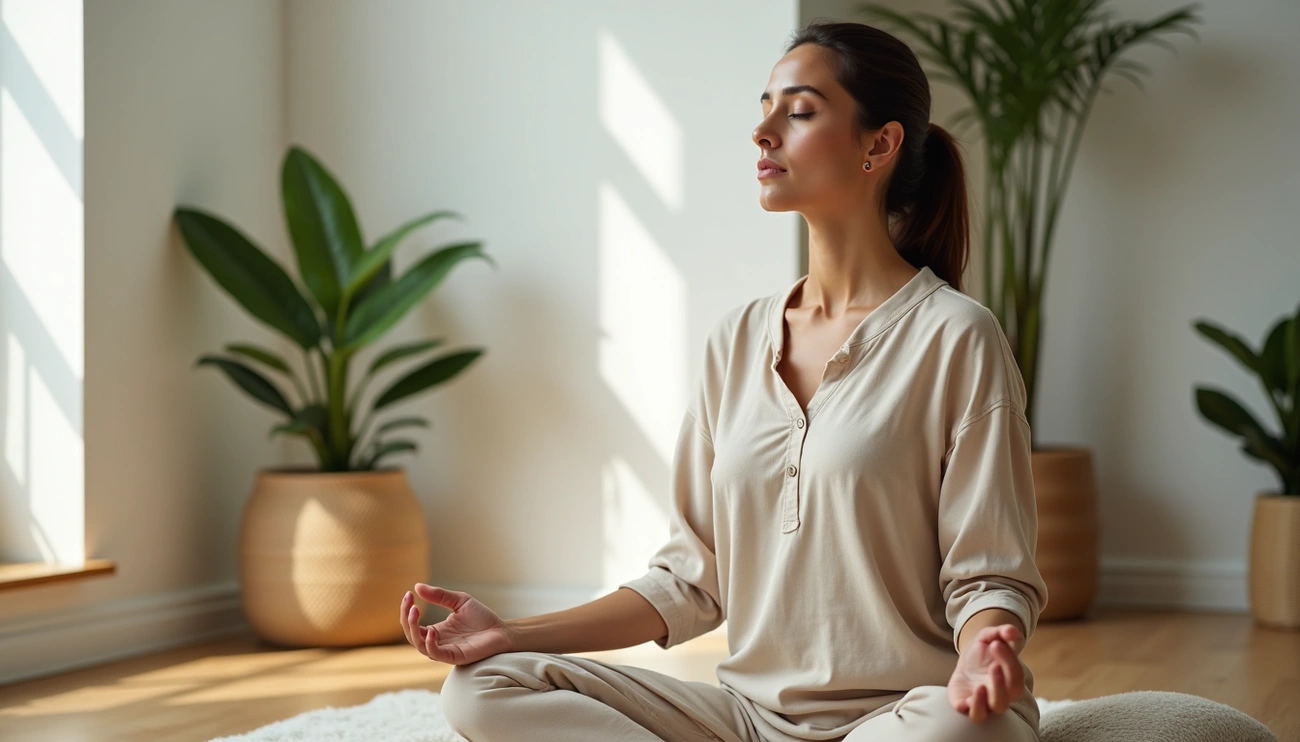
The 4-7-8 breathing technique claims to help people fall asleep within 60 seconds . Many wonder if this anxiety-relief method actually works that quickly. This simple breathing pattern provides powerful benefits for both mind and body, regardless of individual results.
Dr. Andrew Weil developed this structured breathing exercise that follows a specific pattern. The technique requires you to inhale through your nose for 4 counts, hold your breath for 7 counts, and exhale through your mouth for 8 counts . Your parasympathetic nervous system activates while the sympathetic “fight or flight” response calms down . The technique becomes more effective at managing stress levels as you keep taking them .
Breathing techniques like this one let us access our inner calm. The benefits extend to our stressed-out nervous system and sleep quality . The 4-7-8 method brings numerous health advantages – better moods, lower blood pressure, and a more relaxed state of mind .
This game-changing technique could transform your daily routine. Let us show you the correct way to perform the 4-7-8 breathing method in this piece. You’ll learn the perfect timing to use it and how to make it part of your daily schedule for the best results.
Understanding the Science Behind 4-7-8 Breathing
The science of 4-7-8 breathing explains why this simple technique can deeply affect our mental and physical state. Scientists have found a fascinating link between our breath and nervous system that makes this technique work so well for managing anxiety.
How it affects the parasympathetic nervous system
Our autonomic nervous system has two main branches that work together. The sympathetic branch triggers our “fight-or-flight” response when we’re stressed, while the parasympathetic branch controls our “rest-and-digest” mode during calm times. The 4-7-8 breathing technique targets this second branch specifically.
The extended 8-second exhale in 4-7-8 breathing serves a vital purpose. Research shows that longer expiratory breathing substantially increases parasympathetic activity [1]. Your vagus nerve activates with this extended exhale and sends calming signals throughout your body [2].
The 7-second breath hold temporarily raises carbon dioxide levels in your bloodstream and lowers your heart rate [2]. Studies have shown that 4-7-8 breathing patterns reduce State Anxiety levels better than other breathing methods [3].
This technique helps control cortisol—your fight-or-flight hormone—and prevents chronic stress from harming your health [2]. Your body becomes more responsive to this type of breathwork with regular practice, which makes it more effective over time [4].
The role of breath in emotional regulation
Your breathing patterns directly affect brain activity and emotional states. Research shows that slow breathing techniques like 4-7-8 boost EEG alpha power (linked to relaxation) and reduce theta power (associated with stress) [5]. These brain activity changes associate with lower levels of anxiety, depression, and confusion [5].
The counting sequence in 4-7-8 breathing helps distract you from racing thoughts [4]. This mental focus combines with physical changes to create an effective tool for emotional control.
Research confirms that breathing at specific rates (especially around 6 breaths per minute) improves baroreflex sensitivity, decreases sympathetic activity, and enhances oxygen saturation [2]. These bodily changes support emotional stability by creating ideal conditions for brain function.
The 4-7-8 breathing technique becomes a reliable way to control emotions during stressful situations with consistent practice [6].
How to Do the 4-7-8 Breathing Technique Correctly
You need attention to detail and proper form to become skilled at the 4-7-8 breathing technique. This powerful deep breathing exercise works best against anxiety when you do it right.
Step-by-step instructions
The quickest way to practice this breathing exercise:
-
Find a comfortable position. Sit with your back straight or lie down if you’re using the technique to sleep [7].
-
Your tongue’s tip should rest against the roof of your mouth, just behind your upper front teeth. Keep it there throughout the whole exercise [8].
-
Part your lips and exhale completely through your mouth. Make a whooshing sound [8].
-
Close your lips and inhale silently through your nose for 4 seconds [8].
-
Hold your breath for 7 seconds [8].
-
Exhale audibly through your mouth for 8 seconds. Make another whooshing sound [8].
-
Complete four full breath cycles at first [7].
Common mistakes to avoid
The 4-7-8 breathing method might seem simple, but several mistakes can stop it from working properly:
Many people let their tongue move from position while breathing out [9]. On top of that, it won’t give you full benefits without consistent practice—the technique’s power grows over time [9].
People often rush through the counts. Each phase needs proper timing while keeping the right proportions [9]. The results suffer when you don’t exhale completely before starting a new cycle.
The technique brings deep relaxation, so don’t practice in situations where you need to stay alert [7].
Modifications for beginners
The standard technique might feel challenging at first. Here are some helpful adjustments:
New practitioners should start with just four breath cycles per session. They can build up to eight cycles over about a month [9]. Those who find the counts difficult can use a shorter pattern (2-3.5-4 instead of 4-7-8) while keeping the same ratio [2].
Breath-holding exercises might feel uncomfortable at first for people with anxiety or panic disorders [4]. These practitioners can try gentler breathing by making their exhale slightly longer than their inhale—without counting or holding [4].
You might feel lightheaded at first, but this usually goes away with regular practice [8]. That’s why you should try this technique while sitting or lying down until you’re comfortable with it [2].
When and Why to Use 4-7-8 Breathing
The right timing of the 4-7-8 breathing technique helps you manage your mental state better throughout the day.
Before sleep
Sleep comes easier with breath counting than sheep counting. This breathing method works wonders at bedtime by lowering your heart rate and blood pressure, which creates perfect conditions for sleep [10]. My experience shows that this technique helps quiet racing thoughts while lying in bed. Deep breathing in this relaxed state leads to faster and more peaceful sleep [11].
During anxiety or panic
The 4-7-8 technique becomes your reliable ally during anxiety or panic attacks [12]. Your heart rate slows down as regulated breathing kicks in, and the parasympathetic nervous system brings back your sense of calm [10]. The best part? You can do this exercise anywhere since it needs no special equipment [6].
To reset during the day
Your results improve significantly with three cycles of this breathing technique twice daily [10]. Regular practice makes this method more powerful at handling stress levels [2]. A quick mental reset between tasks works great with this technique, and I use it often [13].
As part of meditation or yoga
This breathing pattern blends naturally with other mindfulness practices. You can use it:
-
During seated meditation to quiet your mind
-
In yoga poses focusing on breath awareness
-
As preparation for deeper pranayama techniques [13]
Tools and Techniques to Support Your Practice
Your 4-7-8 breathing practice becomes more effective when you add the right tools to manage anxiety better.
Best breathing apps to try
These dedicated apps will guide your deep breathing exercises with visual and audio cues:
-
Othership: You’ll find 500+ guided breathwork classes that include 4-7-8 breathing from expert facilitators [14]. The app works on Android and iOS with free trials and subscription options.
-
Breathe: This app focuses on the 4-7-8 breathing method and provides onscreen instructions with guided sessions [15].
-
Prana Breath: The app gives you customizable breathing patterns and visual guidance that work great for 4-7-8 practice [14].
Pairing with other breathing exercises
Your breathwork practice becomes more complete when you mix different techniques:
-
Box breathing: This works like 4-7-8 but uses equal counts (4-4-4-4). It helps reduce stress effectively [16].
-
Alternate nostril breathing: This yogic technique balances energy channels and makes your cognitive functions better [17].
Creating a calming environment
The right atmosphere makes your breathwork more successful:
-
Pick a quiet space with minimal interruptions
-
Your daily sessions should stay consistent—five minutes can make a difference [18]
-
Make breathing practice part of your morning meditation or bedtime routine to sleep better
Conclusion
The 4-7-8 breathing technique is a powerful tool that helps anyone find relief from stress and anxiety. This piece explores how this simple yet effective approach triggers your parasympathetic nervous system and creates a calming effect in your body. Dr. Weil’s structured breathing pattern targets your body’s natural relaxation response and makes it available to everyone for daily wellness.
You don’t need special equipment to practice this technique – just dedication. The 4-7-8 breathing works great before bedtime to sleep better, during stressful moments to calm panic, or as part of your meditation routine. Your breath stays with you everywhere, which makes this technique ready to use whenever you need it.
Regular practice will without doubt help you use this method better. People who stick with it find the technique becomes more powerful over time. Beginners might struggle with timing or feel slightly dizzy at first, but these challenges go away with practice.
Breathing apps can help you build a consistent practice, especially when you start learning the technique. Apps like Othership, Breathe, and Prana Breath give you guided sessions that make the 4-7-8 pattern easier to follow.
The 4-7-8 breathing method offers a science-backed solution if you have trouble sleeping, feel anxious, or just want a peaceful moment during busy days. Your path to better emotional control and stress management can start with something as basic as a mindful breath. Try this technique today and your mind and body will thank you.
Key Takeaways
Master this simple yet powerful breathing technique to instantly calm your mind and reduce anxiety in any situation.
• The 4-7-8 pattern works: Inhale for 4 counts, hold for 7, exhale for 8 to activate your body’s natural relaxation response.
• Science-backed stress relief: This technique triggers your parasympathetic nervous system, lowering heart rate and cortisol levels within minutes.
• Perfect timing matters: Use before sleep for better rest, during anxiety attacks for quick relief, or twice daily for ongoing stress management.
• Practice makes it powerful: Regular use increases effectiveness over time, with apps like Othership and Breathe providing guided support.
• Accessible anywhere: No equipment needed—just your breath, making it the ultimate portable stress-relief tool for modern life.
The beauty of 4-7-8 breathing lies in its simplicity and immediate availability. Whether you’re dealing with racing thoughts at bedtime, sudden anxiety during the day, or simply need a mental reset, this technique offers a scientifically-proven pathway to calm that’s always within reach.
FAQs
Q1. How does the 4-7-8 breathing technique benefit your health? The 4-7-8 breathing technique activates the parasympathetic nervous system, reducing stress and anxiety. It can lower heart rate and blood pressure, improve mood, enhance relaxation, and promote better sleep. Regular practice may also increase its effectiveness over time.
Q2. How often should I practice the 4-7-8 breathing method? For optimal results, practice the 4-7-8 breathing technique twice daily, starting with four breath cycles per session. As you become more comfortable, you can gradually increase to eight cycles. Consistency is key to experiencing the full benefits of this method.
Q3. Is the 4-7-8 breathing technique scientifically proven to be effective? Yes, research supports the effectiveness of the 4-7-8 breathing technique. Studies show it can reduce state anxiety levels more effectively than other breathing methods. It has been found to increase alpha brain waves associated with relaxation and decrease theta waves linked to stress.
Q4. Can you explain how to perform the 4-7-8 sleep technique? To perform the 4-7-8 sleep technique, start by exhaling completely. Then, inhale quietly through your nose for 4 seconds, hold your breath for 7 seconds, and exhale audibly through your mouth for 8 seconds. Repeat this cycle four times initially, gradually working up to eight cycles as you become more practiced.
Q5. When is the best time to use the 4-7-8 breathing method? The 4-7-8 breathing method is versatile and can be used in various situations. It’s particularly effective before sleep to promote relaxation, during moments of anxiety or panic for quick relief, as a reset during a stressful day, or as part of a meditation or yoga practice for enhanced mindfulness.
References
[1] – https://pmc.ncbi.nlm.nih.gov/articles/PMC6037091/
[2] – https://www.medicalnewstoday.com/articles/324417
[3] – https://pubmed.ncbi.nlm.nih.gov/36480101/
[4] – https://thetranquilmind.com/7-mistakes-youre-making-with-breathwork-and-how-to-fix-them-right-now/
[5] – https://www.frontiersin.org/journals/human-neuroscience/articles/10.3389/fnhum.2018.00353/full
[6] – https://nationaleczema.org/blog/4-7-8-breathing-exercise/
[7] – https://www.jt-md.com/4-7-8-breath/
[8] – https://www.healthline.com/health/4-7-8-breathing
[9] – https://www.artofliving.org/us-en/blog/breathwork/breathing-exercises/4-7-8-breathing-technique
[10] – https://health.clevelandclinic.org/4-7-8-breathing
[11] – https://o-p-e-n.com/blog/4-7-8-breathwork-technique
[12] – https://www.maryland-primarycare.com/blog/1003691-breathing-exercises-for-panic-attacks/
[13] – https://dailycupofyoga.com/2024/11/06/master-the-4-7-8-breathing-technique-for-instant-calm/
[14] – https://www.othership.us/resources/4-7-8-breathing-apps
[15] – https://www.othership.us/resources/4-7-8-breathing
[16] – https://www.aarp.org/health/conditions-treatments/breathing-exercises-to-lower-blood-pressure/
[17] – https://positivepsychology.com/deep-breathing-techniques-exercises/
[18] – https://letsbreathe.app/4-7-8-breathing-app
Leave a Reply