
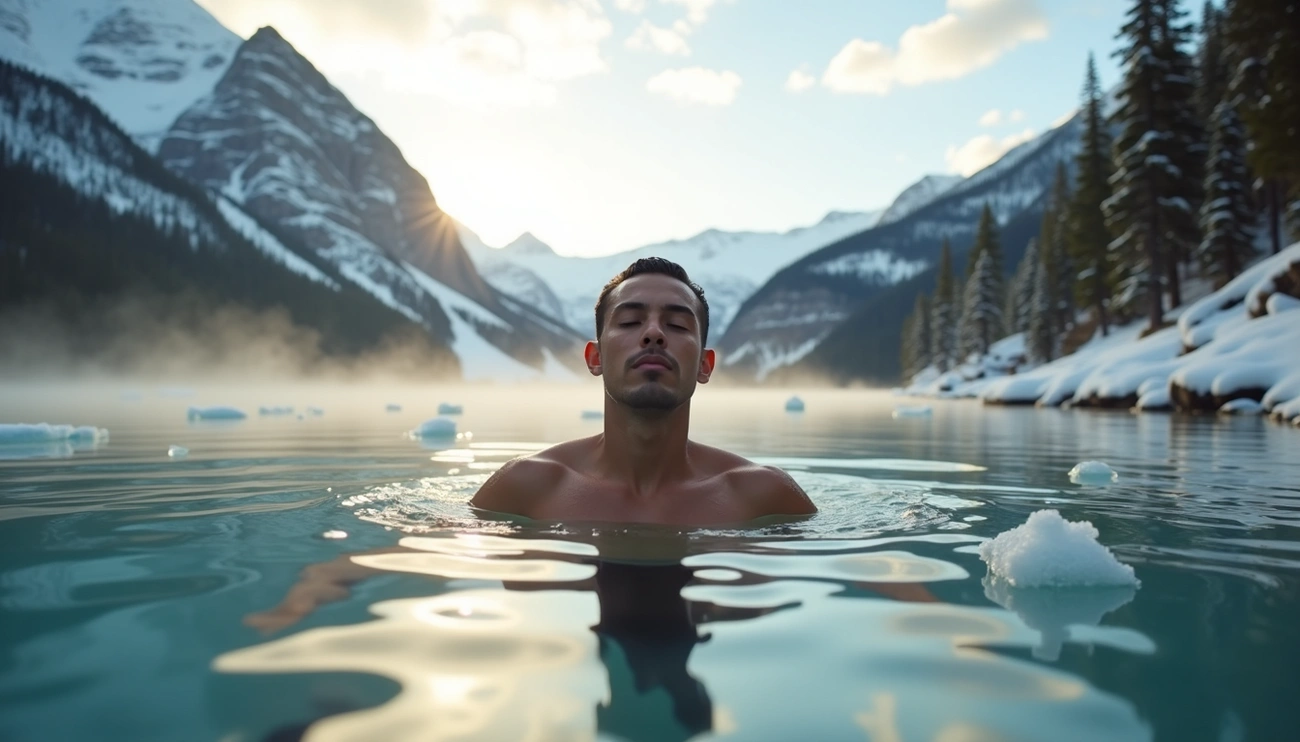
The connection between cold exposure and dopamine release isn’t just another wellness trend—science backs up this fascinating phenomenon that’s gaining attention worldwide. Over the last several years, people have flocked to ice baths, cold showers, and cryotherapy as they find remarkable benefits for their mental health.
Our bodies do much more than shiver during a cold water plunge. Research shows cold water immersion sets off a cascade of mood-enhancing chemicals in our brains, particularly norepinephrine and dopamine. These elevated dopamine levels stick around well after exposure and help boost our energy and focus. This explains that refreshing mental clarity you feel after braving a cold shower.
The positive effects go beyond simple alertness. Research participants who tried cold water immersion saw notable drops in negative emotions such as tension, anger, depression, and confusion. They also felt more active, attentive, proud, and inspired after their cold-water bath. Understanding how cold exposure affects our brain chemistry could be the answer for anyone who wants to naturally boost their mood and mental resilience.
Let’s take a closer look at the fascinating science behind how cold exposure triggers dopamine release and other beneficial neurochemicals. You might be curious about the Wim Hof Method or wondering if those chilly showers are worth the initial shock. We’ll explore everything you need to know about utilizing cold exposure to enhance your mental wellbeing.
What Happens in the Body During Cold Exposure
Your body starts an amazing chain of responses the moment it feels cold temperatures. These responses go way beyond the reach and influence of simple shivering. The complex neurochemical changes might explain why cold exposure helps improve mood, focus, and energy levels.
Cold shock and the stress response
Scientists call the first few seconds of cold water immersion the “cold shock response.” Your body reacts with several neurogenic cardio-respiratory changes [1]. You take an involuntary gasp for air, and your heart rate, blood pressure, and breathing speed up [2].
Cold stress makes your cells produce specific proteins called Cold Shock Proteins (CSPs). These proteins work differently than heat shock proteins across species but serve a vital purpose – they help cells adapt to temperature changes [3]. Your cells slow down most processes in cold conditions. CSPs keep working to ensure specific mRNAs translate accurately at lower temperatures [3].
Your body faces two big challenges as cold exposure continues: the temperature drop and changes in dissolved oxygen levels [3]. Your body responds by going into protection mode. It decreases metabolism, uses less glucose, and cuts down on ATP use [3]. Temperatures below 35°C can lead to hypothermia if exposure lasts too long. Symptoms start with shivering and can progress to confusion and life-threatening conditions [4].
Activation of the sympathetic nervous system
Cold exposure quickly activates your body’s “fight or flight” network – the sympathetic nervous system. This activation starts when skin thermoreceptors detect temperatures dropping below 34°C [5].
Vasoconstriction stands out as a key sympathetic response. Your blood vessels narrow in your extremities and redirect blood flow from your skin and limbs to vital organs. This creates a “core-shell” distribution that keeps your internal temperature stable [2]. Blood pressure goes up without changing cardiac output [5].
Your body’s sympathetic nerve pathways react differently to cold. Moderate cooling might not change muscle sympathetic nerve activity (MSNA) much. However, skin sympathetic nerve activity (SSNA) jumps dramatically [5]. These SSNA increases link directly to reduced skin blood flow, showing how well your nervous system manages circulation to maintain core temperature [5].
Role of the hypothalamus and adrenal glands
The hypothalamus sits at the heart of your body’s temperature control system. Its preoptic/anterior region combines thermal information from all over your body [6]. This thermoregulatory center triggers hormone responses to generate heat and prevent heat loss when core temperature drops [4].
The hypothalamic-pituitary-adrenal (HPA) axis plays a vital role here. Cold stress activates the main stress response system – the sympathetic/adrenomedullary (S/A) system. This triggers the release of stress hormones like adrenaline, noradrenaline, and cortisol [4]. These hormones boost heat production through increased metabolism, especially lipid metabolism and ketogenesis [4].
Regular cold exposure can make the HPA axis more sensitive, which improves your body’s response to future stress [7]. Research shows the paraventricular nucleus (PVN) of the hypothalamus becomes more sensitive to alpha1-adrenergic receptor activation after repeated cold exposure [7]. This adaptation might explain why people who regularly expose themselves to cold report better stress handling over time.
Your adrenal glands, particularly the adrenal medulla and zona fasciculata of the adrenal cortex, produce these stress hormones [4]. Cold exposure increases cortisol production with an interesting twist – cortisol mostly stays in cell nuclei rather than cytoplasm, unlike other stress responses [4].
How Cold Exposure Triggers Dopamine Release
Plunging into icy water tests your mental strength and sets off an amazing chain of brain chemical changes that revolutionize your mood and energy levels. The connection between cold exposure and dopamine is the sort of thing I love to explore. This helps us learn about why people feel so energized and uplifted after they brave the cold.
The role of norepinephrine and dopamine
Your body’s “fight or flight” response kicks in the moment it hits cold temperatures [8]. This survival mechanism gets your body ready through adrenaline and norepinephrine release. These hormones boost your alertness and energy levels. These catecholamines don’t work alone – they fire up your brain’s dopaminergic pathways [8].
Research shows that cold plunging can trigger a big release of neurotransmitters. Your plasma norepinephrine levels can jump up to 530% during cold water immersion [9]. This dramatic spike is significant to boost arousal and cognitive function.
Your body’s “feel-good” neurotransmitter – dopamine – rises high too. Studies show increases of up to 250% during cold exposure [9]. This biochemical response explains why many people feel happier after cold immersion.
Cold exposure affects more than just dopamine and norepinephrine at the biochemical level. Your body releases serotonin, cortisol, and β-endorphins too [6]. These neurotransmitters work together to control emotions, handle stress, and process rewards. This creates that familiar feeling of well-being after cold exposure.
Why dopamine levels stay elevated after exposure
Cold-induced dopamine release lasts longer than you might expect. Many mood-boosting activities have short-lived effects. Cold exposure, however, keeps dopamine levels up for much longer [2]. This extended increase leads to lasting improvements in mood, energy, and focus that many practitioners talk about.
The Huberman Lab points out that even quick cold exposure sessions can keep dopamine elevated for extended periods [2]. These positive effects – better mood, more energy, and sharper focus – stick around long after you’ve left the cold.
Regular practice doesn’t seem to reduce these effects. Research by Leppäluoto and colleagues discovered something interesting. Even after 12 weeks of repeated cold exposure (three times weekly), plasma norepinephrine still jumped 2-3 times after each session [5]. This study focused on norepinephrine rather than dopamine, but it suggests our neurochemical responses to cold stay strong over time.
Cold exposure gives you a “sustained lift” in neurotransmitters that is different from stimulants [5]. You won’t crash like you might with caffeine or other stimulants. Instead, cold exposure dopamine gives you smoother, more consistent energy and focus.
Differences between central and peripheral dopamine
The difference between peripheral and central dopamine is key to understanding cold exposure benefits. Most cold exposure studies measure peripheral dopamine in the bloodstream, not central dopamine in the brain [5].
This matters because more peripheral dopamine doesn’t always mean more dopamine activity in your central nervous system [5]. Your blood-brain barrier stops dopamine from moving from blood into brain. Take Parkinson’s disease treatment as an example. Doctors can’t just give peripheral dopamine – they need to use L-DOPA because it can cross the barrier [5].
Notwithstanding that limitation, people report better moods and sharper thinking after cold exposure. This suggests some central effects are happening. These effects might come from:
-
Cold-induced changes in brain connectivity
-
Downstream effects of peripheral neurotransmitter changes
-
Activation of specific neural pathways that don’t need direct dopamine crossing
Animal studies suggest something interesting about chronic cold exposure. It can lead to an adaptive drop in central dopamine [5]. This adaptation might help the dopamine system handle future stressors better. This could explain why people who regularly practice cold exposure handle stress better.
The Science Behind Cold Showers and Ice Baths
“One study showed significant and prolonged increases in dopamine when people were in cool (60°F) water for about an hour up to their neck, with their head above water.” — Andrew Huberman, Neuroscientist and Professor of Neurobiology at Stanford University School of Medicine
Different cold exposure methods create unique benefits. Your body responds differently to cold temperatures through showers, ice baths, or cold air. Scientists are still discovering new ways these methods affect our physiology.
Cold showers dopamine effects
Cold showers are the most available form of cold water immersion (CWI). They offer many benefits similar to ice baths without special equipment. Your body starts producing noticeable chemical changes even during short cold showers.
Studies show cold shower therapy triggers similar hormones as cold plunging, though not as intensely [3]. Your skin’s cold receptors detect temperature changes and send electrical signals through nerve endings to your brain [3].
This flood of sensory information triggers several responses:
-
Release of endorphins, your body’s natural pain relievers
-
Activation of the sympathetic nervous system
-
Increased blood flow to the brain
These mechanisms help cold showers boost norepinephrine production, which improves focus, attention, watchfulness, and mood [1]. Many people feel more energized yet calmer after making cold showers part of their routine.
Dr. Andrew Huberman suggests that 11 minutes of cold exposure weekly is enough to see notable health benefits [10]. This breaks down to about 2-4 sessions of 1-5 minutes each. Cold showers become a practical daily option to boost dopamine without the intensity of full immersion.
Cold plunge dopamine response
Ice baths or cold plunges create stronger chemical responses than showers because they expose more of your body to cold water. This increased exposure intensifies both the initial shock and your body’s adaptations.
Research reveals dramatic chemical changes during cold plunges:
-
Noradrenaline jumps by 530%, boosting alertness and brain function [10]
-
Dopamine increases by 250%, lifting mood and creating pleasure [10]
-
Cortisol levels drop substantially and stay low for up to three hours after just 15 minutes of CWI [3]
Temperature and time play vital roles in these responses. One study showed substantial dopamine increases in participants who stayed in 60°F water for about an hour [11]. Another study found big spikes in epinephrine after just 20 seconds in very cold water (around 40°F) [11].
The Søeberg Principle suggests ending with cold and letting your body warm up naturally to optimize metabolic effects [11]. Allowing yourself to shiver might also activate brown fat thermogenesis and boost metabolic benefits.
Comparing water vs air-based cold exposure
The way you experience cold substantially affects your body’s response. Water pulls heat from your body much faster than air, creating stronger responses in less time.
Heat transfer efficiency varies by medium:
-
Air: 0.024 W/m·K (lowest efficiency)
-
Water: 0.58 W/m·K (about 25× more efficient than air)
-
Ice: 2.1 W/m·K (about 100× more efficient than air) [5]
This means brief water-based cold exposure creates deeper physiological changes than longer air-based exposure at the same temperature. Five minutes in a 59°F (15°C) cold shower might match the effects of an hour in 59°F air.
This efficiency gap explains why water-based protocols need much shorter times. Most cold water immersion studies use temperatures between 40-59°F (5-15°C) for 2-15 minutes [5]. Air-based cold exposure needs much longer to achieve similar effects.
Water-based cold exposure produces faster and stronger chemical responses than air-based options. This makes it the quickest way to boost dopamine, despite being more uncomfortable at first.
Short-Term vs Long-Term Cold Exposure Benefits
“As you do deliberate cold exposure more often, you will be more comfortable in the cold at all times and can start to use colder temperatures with more confidence, just like exercise.” — Andrew Huberman, Neuroscientist and Professor of Neurobiology at Stanford University School of Medicine
Cold exposure benefits show up at different times, and it’s fascinating to see how they progress from quick mood lifts to long-lasting mental toughness. This timeline helps us understand why both quick cold showers and regular cold immersion practices give us different but complementary benefits.
Immediate mood and alertness boost
Cold water immersion creates powerful effects you can feel right away. People who try it report feeling more active, alert, attentive, proud, and inspired with less distress and nervousness [6]. These aren’t just feelings – research shows substantial improvements in positive emotions and fewer negative ones after just one cold session [6].
Your brain chemistry changes dramatically to create these mood improvements. Cold exposure releases dopamine, with studies showing increases up to 250% [12]. The body also produces norepinephrine and epinephrine that surge up to 530%, giving you energy and alertness that stick around after you’re done [13].
You don’t need long sessions to get great results. One study showed that five minutes in 68°F water made people feel much better [6]. Another study found that people felt less stressed for 12 hours after their cold plunge [14].
Adaptation and resilience over time
Your body starts to develop amazing adaptations when you make cold exposure a regular habit. The original response creates what scientists call “stress inoculation” [4]. Your nervous system learns to handle stress better through repeated exposure, which improves how you manage your emotions [4].
These regular sessions lead to lasting benefits:
-
Enhanced stress management: Regular cold exposure helps balance your stress hormones, so you handle daily pressures better [4]
-
Improved mood regulation: Research shows cold exposure can change how your brain produces mood-controlling chemicals [7]
-
Increased psychological resilience: The mental strength you build from choosing to face cold transfers to other challenges [15]
Brain scans using functional MRI show that cold water immersion changes how different parts of your brain connect, especially areas that process emotions like the parietal cortex and medial prefrontal cortex [4]. These changes explain why many people who practice cold exposure feel mentally stronger.
Neurochemical habituation explained
The way our bodies adapt to regular cold exposure over time is really interesting. This process, called habituation, affects different body responses in unique ways.
You get used to the cold feeling first – it becomes less intense after just one or two sessions [16]. Regular practitioners find the cold less uncomfortable because of this. One study showed that people’s faces adapted to the cold sensation after just a few tries [16].
Some beneficial responses stay strong even with regular practice. Cortisol (stress hormone) levels dropped after about four weeks of regular cold exposure, but norepinephrine kept increasing even after 12 weeks [5]. You feel more comfortable in the cold, but still get the energy and mood boost.
Your skin temperature, blood pressure, and some heart responses adjust after about 4-5 daily sessions [16]. This selective adaptation explains why cold exposure gets easier but keeps working.
Cold exposure creates an interesting mix of quick mood boosts and slow-building mental toughness. Your body gets used to the cold, making it more comfortable, while keeping many of the brain chemistry benefits that give you both immediate happiness hits and lasting psychological strength.
How Cold Water Immersion Affects the Brain
New brain imaging research shows that cold water immersion does more than trigger chemical changes in the brain—it creates new neural pathways that might explain why it makes people feel better.
Changes in brain connectivity
Cold water immersion changes how different brain regions talk to each other, going beyond simple dopamine release. Scientists discovered that a single 5-minute cold water bath creates measurable changes in brain connectivity [6].
These changes affect several critical brain structures:
-
The medial prefrontal cortex forms stronger connections with the left anterior insula and left rostral prefrontal cortex of the salience network [6]
-
The posterior parietal cortex of the frontoparietal network builds better connections with the right inferior parietal sulcus and visual lateral networks [6]
-
The medial prefrontal cortex reduces its connection with the anterior cingulate cortex [5]
Cold water exposure creates a unique pattern where large-scale brain networks responsible for self-regulation, emotion processing, and attention control interact differently. Scientists found two major clusters of brain connections that changed noticeably after cold immersion [17].
Increased activity in attention and emotion networks
Brain networks that control emotional regulation and attention respond strongly to cold water immersion. People who try it show stronger connections between:
-
The default mode network (responsible for self-reflection)
-
The salience network (which determines what stimuli deserve attention)
-
The frontoparietal network (central to attention and cognitive control)
Better communication between these networks explains why people feel calmer yet more alert after cold exposure. These specific changes in connectivity associate directly with people reporting more positive emotions after immersion [6].
The sort of thing i love is how cold water immersion activates the “mammalian diving reflex”—a protective response that works well to lower heart rate when cold water touches the face [18]. This reflex might help improve cognitive clarity by triggering a physiological “reset.”
Potential implications for depression and anxiety
Scientists are exploring cold water immersion as a possible therapy for depression and anxiety because of these brain connectivity changes. People with depression and anxiety conditions have different wiring patterns in the brain regions affected by cold exposure—specifically the medial prefrontal cortex and parietal cortex [19].
Studies show that brief whole-body cold-water immersion helps improve mood. These emotional improvements link directly to stronger connections between brain areas that control attention and emotion regulation [18]. Cold exposure might temporarily rewire neural circuits that don’t work properly in depression.
A newer study published over two years showed promising results. Participants who took brief daily cold showers (starting with gradual temperature reduction) reported less depression symptoms. They experienced better pain relief, more energy, and felt more optimistic [18].
Cold facial immersion worked better for people with anxiety disorders, especially panic disorder, compared to healthy individuals. This is a big deal as it means that it lowered heart rate and reduced both physical and mental symptoms of panic and anxiety [18].
The process seems to work by stimulating the opioid-based soothing system. This system helps regulate emotions, motivation, and stress responses [18]. This might explain why regular cold exposure feels increasingly beneficial over time.
Psychological and Behavioral Effects of Cold Exposure
Cold exposure does more than just change your brain – it reshapes your mental state and boosts your daily performance and well-being. People who try cold water immersion describe a remarkable transformation in their mindset that goes beyond the original discomfort.
Improved focus and motivation
Cold exposure sharpens your thinking by a lot. Research shows that cold water immersion increases blood flow to the prefrontal cortex, which makes your mind clearer [20]. These brain changes lead to real improvements in focus and alertness that last long after you get out of the cold water.
Studies confirm that people feel more active, alert, attentive, proud, and inspired after cold water immersion [6]. These changes aren’t just in their heads – they come from real chemical changes that cold exposure triggers in your body. The result is a natural boost in motivation without the jitters you might get from coffee or other stimulants.
Your improved focus comes from cold water’s natural way of waking up your body while clearing mental clutter. Many people who practice this describe a mental “reset” that clears brain fog and helps them make better decisions.
Building mental toughness and grit
Cold water gives you exceptional training to build psychological resilience. Each cold plunge challenges both your body and deepens your commitment to handle tough situations [2].
This practice works like “stress inoculation” – teaching your nervous system to stay calm when things get difficult [7]. The mental toughness you develop transfers to other parts of your life, from workplace challenges to personal goals.
One person in a research study said: “When you get into the cold water, you just can’t think about anything else” [5]. This is a chance to practice emotional control techniques that become easier to use in everyday life.
Mindfulness and present-moment awareness
The sort of thing i love about cold water immersion is how it naturally puts you in a mindful state. The intense feelings grab all your attention, making it a powerful way to stay grounded [21]. Many practitioners combine specific breathing exercises with cold exposure to boost this mindfulness effect [22].
Cold exposure is available to anyone struggling with emotional control as an entry point to mindfulness. Some mental health experts recommend facial cold water immersion as part of dialectical behavioral therapy. They call it “TIPP skills” (Temperature, Intense exercise, Progressive muscle relaxation, and Paced breathing) [3].
Your brain enters what researchers call a “meditation-like” state during cold exposure, where you focus completely on present sensations [5]. This deep connection to the present moment explains why people find cold exposure both physically energizing and mentally clearing.
Best Practices for Safe and Effective Cold Exposure
The best way to control the dopamine-boosting benefits of cold exposure needs a systematic approach. Simply jumping into ice-cold water won’t work. The right technique will give you both safety and results that maximize those desired neurochemical benefits.
How to start with cold showers
Cold showers offer the most available starting point to cold exposure therapy. Wim Hof suggests this step-by-step approach for beginners:
-
Week 1: 30 seconds of cold water at the end of a hot shower
-
Week 2: 1 minute of cold water at the end of a hot shower
-
Week 3: 1.5 minutes of cold water at the end of a hot shower
-
Week 4: 2 minutes of cold water at the end of a hot shower [23]
Athletic trainers often recommend an alternative contrast method: three minutes of hot water followed by one minute of cold water, repeated three times. This sequence should always end with cold [24]. This gentler introduction still triggers the dopamine response effectively.
Ideal temperature and duration
The water temperature should stay below 60°F (15.5°C) to maximize cold exposure benefits [24]. Most people use regular tap water with ice to achieve the sweet spot of 50-59°F (10-15°C) [25].
Dr. Andrew Huberman recommends 11 minutes per week split between 2-4 sessions that last 1-5 minutes each [11]. Research shows 2-10 minutes per session delivers optimal benefits [26]. Beginners should start with 30-90 seconds and add 15-30 seconds every few sessions [27].
Safety tips and contraindications
Safety comes first with cold exposure. A buddy should always be present during cold water immersion [28]. You should get out immediately if you notice:
-
Uncontrollable shivering
-
Numbness or dizziness
-
Any discomfort beyond the typical cold sensation [29]
Once you’re done, dry off right away and put on warm, dry clothes. Let your body warm up naturally instead of taking hot showers immediately [29].
Some medical conditions make cold therapy unsafe:
-
Heart disease or high blood pressure
-
Raynaud’s syndrome
-
Cold urticaria (hives from cold)
-
Peripheral vascular disease
-
Epilepsy
-
Open wounds [24]
People with preexisting conditions should check with their healthcare provider before starting [26]. Cold exposure can boost dopamine significantly, but only when done safely and gradually.
Is It All Just Placebo? What the Research Says
People increasingly embrace cold exposure, which raises a valid question: Do we really get dopamine boosts and mood improvements from it, or do our expectations create these effects?
The role of belief and expectation
Our expectations play a huge role in how we experience cold water therapy. A fascinating study showed that positive placebo suggestions helped people tolerate ice water hand immersion pain better [9]. The opposite happened when people received negative messages about cold exposure – their pain tolerance dropped.
Athletes’ recovery shows this expectation effect too. Broatch and his team discovered something interesting – athletes who soaked in room-temperature water with what they thought was a special skin cleanser recovered just as well as those using actual cold water [5]. This shows how our beliefs can shape our body’s responses.
Comparing cold exposure to other mood boosters
Cold exposure works differently from other ways to lift your mood. Scientists looked at the Wim Hof Method (which includes cold showers) and compared it with warm showers. Both groups saw their depression and anxiety symptoms drop by 20-30%, with no real difference between them [5].
This doesn’t make cold exposure less valuable. Many standard mood treatments, including antidepressants, work similarly – expectations play a big part in how well they work [5]. Cold exposure might help through both real physical changes and the power of expectation.
Why the effects are likely real
Beyond the placebo effect, strong evidence points to actual brain changes from cold exposure. Brain scans show real changes in how different parts connect after cold water immersion, especially in areas that control emotions and attention [6].
The body also produces more neurotransmitters after cold exposure – norepinephrine jumps up by 530% and dopamine by about 250% [6]. These physical changes can’t just come from placebo effects.
Cold exposure creates both actual brain changes and placebo benefits. This combination might work better than either one alone.
Conclusion
Cold exposure does way more than just challenge our comfort zone. This piece shows how short cold immersion sessions trigger powerful brain chemical changes. These changes naturally boost dopamine levels up to 250% and increase norepinephrine by 530%. Such dramatic shifts in brain chemistry explain why many users feel more alert, focused, and positive right away.
The benefits go deeper. Cold therapy actually rewires brain connections between areas that control attention, emotion regulation, and self-awareness. This explains why it shows promise for treating depression and anxiety while building mental toughness.
Quick results make cold exposure a valuable practice. A few minutes of cold showers can trigger meaningful brain chemical changes. Regular practice helps your body adapt, and what starts as discomfort becomes a green practice with lasting effects on mental strength and stress handling.
Critics might call it a placebo, but functional MRI studies and biomarker measurements prove real physical changes happen. Of course, expectations play a role – like any wellness practice – but measured brain connectivity changes and neurotransmitter increases are real biological effects.
You only need your shower to start this practice. Try ending your regular showers with cold water and slowly increase the duration as your body adapts. Your safety comes first – always trust your body’s signals, avoid cold exposure with certain health conditions, and keep someone nearby during longer sessions.
Cold exposure stands out from other natural mood boosters because it’s easy to do, works fast, and has solid science behind it. Those uncomfortable minutes you spend shivering might be your best investment for mental health, whether you want an instant dopamine boost, better focus, or stronger stress resistance.
Key Takeaways
Cold exposure isn’t just a wellness trend—it’s a scientifically-backed method for naturally boosting dopamine and enhancing mental well-being through measurable neurochemical changes.
• Cold exposure triggers massive dopamine increases of up to 250% and norepinephrine surges of 530%, creating lasting mood and energy boosts
• Just 11 minutes of cold exposure per week (2-4 sessions of 1-5 minutes each) provides optimal neurochemical benefits without requiring extreme protocols
• Cold water immersion rewires brain connectivity between attention and emotion networks, potentially offering therapeutic benefits for depression and anxiety
• Start safely with 30-second cold shower finishes and gradually increase duration—water below 60°F (15.5°C) maximizes dopamine-boosting effects
• Unlike stimulants that cause crashes, cold-induced dopamine elevation provides sustained energy and focus without negative side effects
The beauty of cold exposure lies in its accessibility and rapid results. While the initial discomfort is real, the neurochemical rewards—enhanced mood, sharper focus, and greater stress resilience—make those uncomfortable minutes a powerful investment in your mental health toolkit.
FAQs
Q1. What causes the surge in dopamine levels during cold exposure? Cold exposure triggers the release of norepinephrine, which stimulates the brain’s dopaminergic pathways. This leads to a significant increase in dopamine levels, by up to 250% according to research.
Q2. How does the body’s stress response contribute to the dopamine boost from cold exposure? When exposed to cold temperatures, the body enters a controlled stress state, activating the sympathetic nervous system’s “fight or flight” response. This triggers the release of hormones like norepinephrine and dopamine, leading to heightened alertness, focus, and mood enhancement.
Q3. Why does cold water immersion induce feelings of happiness and positivity? The intense cold exposure causes a flood of neurotransmitters like dopamine, norepinephrine, and endorphins. Dopamine creates feelings of pleasure and satisfaction, while endorphins act as natural painkillers, counteracting the discomfort and promoting positive emotions.
Q4. What are the typical increases in dopamine and norepinephrine levels during an ice bath? Research indicates that cold water immersion can lead to a 250% increase in dopamine levels and a remarkable 530% increase in norepinephrine levels compared to baseline.
Q5. How does the duration of cold exposure affect the dopamine response? Even brief cold exposures of just a few minutes can trigger significant dopamine release. However, longer durations tend to produce more pronounced and sustained effects. Studies show dopamine levels can remain elevated for several hours after cold water immersion.
References
[1] – https://mentalhealthcenter.com/cold-exposure-ice-plunge/
[2] – https://www.renutherapy.com/blogs/blog/the-psychological-benefits-of-cold-plunge-therapy-for-athletes?srsltid=AfmBOoq32UyzMPYEAcTHrbTc365q_4R9YRi26LZfZWMwpl91jLE3ybST
[3] – https://lifestylemedicine.stanford.edu/jumping-into-the-ice-bath-trend-mental-health-benefits-of-cold-water-immersion/
[4] – https://www.brassmonkey.co/en-us/blogs/journal/building-resilience-through-cold-the-science-of-ice-baths-and-stress-management?srsltid=AfmBOorc66vfi7XHBN0_KFMiAhVwN_uqJ3v8VlDR89HxKEW1P-5l863k
[5] – https://www.psychiatrypodcast.com/psychiatry-psychotherapy-podcast/episode-232-cold-exposure-for-mental-health-benefits
[6] – https://pmc.ncbi.nlm.nih.gov/articles/PMC9953392/
[7] – https://psychiatrypsychotherapypllc.com/blog/cold-exposure-for-mental-health
[8] – https://thecoldpod.com/blogs/blog/the-frozen-neurotransmitter-how-cold-exposure-triggers-dopamine?srsltid=AfmBOor_vPoxlXgXWzTO5r-CjYVBo1h4NYOSDIw2HP7yYQQ-dThDBfde
[9] – https://www.sciencedirect.com/science/article/pii/S0885392497003631
[10] – https://ufhealthjax.org/stories/2024/the-benefits-of-cold-water-immersion-therapy
[11] – https://www.hubermanlab.com/newsletter/the-science-and-use-of-cold-exposure-for-health-and-performance
[12] – https://gatewaynaturalmedicine.com/cold-plunge-long-term-benefit-or-short-term-fad/
[13] – https://www.drericaoberg.com/beyond-the-plunge-3-surprising-ways-cold-shock-supercharges-your-mind/
[14] – https://www.healthline.com/health-news/health-claims-cold-water-immersion
[15] – https://uptown-movement.com/journal/embracing-the-cold-how-cold-exposure-training-can-help-you-handle-stress
[16] – https://journals.physiology.org/doi/full/10.1152/jappl.2001.90.4.1211
[17] – https://www.psypost.org/brain-imaging-study-links-increases-in-positive-emotions-after-cold-water-immersion-to-changes-in-neural-connectivity/
[18] – https://www.cambridge.org/core/journals/bjpsych-advances/article/beyond-the-cold-baths-contemporary-applications-of-coldwater-immersion-in-the-treatment-of-clinical-depression-and-anxiety/F285E3B83C4D0E43D10883021BCDD55F
[19] – https://www.bournemouth.ac.uk/news/2023-02-07/scans-reveal-changes-brain-s-wiring-after-cold-water-immersion
[20] – https://embrlabs.com/blogs/news/chill-out-to-focus-in-how-cold-exposure-therapy-can-sharpen-your-concentration?srsltid=AfmBOoo_l0lvfn-YOBEI_ZzdVBl1VIoR73o1MQYAK7YD4hR_S3i5wDl9
[21] – https://www.verywellmind.com/ice-bath-benefits-for-mental-health-8572533
[22] – https://www.renutherapy.com/blogs/blog/using-cold-therapy-in-conjunction-with-meditation-for-improved-mental-clarity-and-focus?srsltid=AfmBOooNLNy9ZF93vxycUJQ30liqpQrqfzxXDmge1XWXkHWDYUhlp8rd
[23] – https://icetubs.com/blogs/how-to-start-cold-therapy
[24] – https://www.uclahealth.org/news/article/6-cold-shower-benefits-consider
[25] – https://www.mayoclinichealthsystem.org/hometown-health/speaking-of-health/cold-plunge-after-workouts
[26] – https://myrecoverylab.ca/how-long-should-you-stay-in-an-ice-bath-for-maximum-benefits/
[27] – https://coldture.com/en-us/blogs/news/cold-plunge-termperature-time-benefits?srsltid=AfmBOopcWzVP3sHPm4U-50IQn_k1xsnWMzdApJRo9vdNclhwo3gqd9qm
[28] – https://www.heart.org/en/news/2022/12/09/youre-not-a-polar-bear-the-plunge-into-cold-water-comes-with-risks
[29] – https://www.everydayhealth.com/wellness/cold-water-therapy/guide/
Leave a Reply