
Category: 🧘 Mindset & Mental Health
-

How to Stop People Pleasing: Break Free From Family Expectations Forever
People-pleasing is a harmful cycle often rooted in a fear of rejection, childhood conditioning, and societal pressures. It drains mental health and energy, leading to a loss of identity. Strategies like setting clear boundaries, practicing self-compassion, and saying no can help reclaim personal power and foster authentic relationships.
Written by
·
-

Master Your Mind: Essential Stoic Journal Prompts for Daily Reflection
Stoic journal prompts have changed lives for centuries since their origins in Ancient Greece and Rome. A Harvard Business School study reveals that people who journaled at day’s end showed a remarkable 25% performance boost compared to non-journalers. This age-old practice goes beyond recording daily events. It serves as a powerful tool to reflect and…
Written by
·
-

What Stoicism Can Teach Us About Managing Anxiety
Stoicism anxiety management techniques are more relevant now than ever before. Studies show that over 40% of adults say they feel more anxious compared to five years ago . Stress and anxiety levels have reached an all-time high . The world changes faster each day, with the S&P 500 dropping nearly 2% and economic uncertainties…
Written by
·
-

The Inner Citadel: A Beginner’s Guide to Building Mental Strength
“The inner citadel is a fortress of the mind.” Stoic philosophers first championed this powerful concept that represents our internal sanctuary of mental strength and resilience. People can retreat to this personal stronghold “where both your destruction and deliverance lie” during overwhelming external circumstances. The stoic inner citadel’s meaning goes beyond philosophical theory and provides…
Written by
·
-

Not Just Bouncing Back: How to Use Resilience to Grow Stronger After Setbacks
Bouncing back from setbacks means more than just returning to your starting point—you emerge stronger than before. Psychologists define resilience as “the process of adapting well in the face of adversity, trauma, tragedy, threats, or significant sources of stress” . True resilience goes beyond simple recovery and turns challenges into opportunities that help you grow.…
Written by
·
-
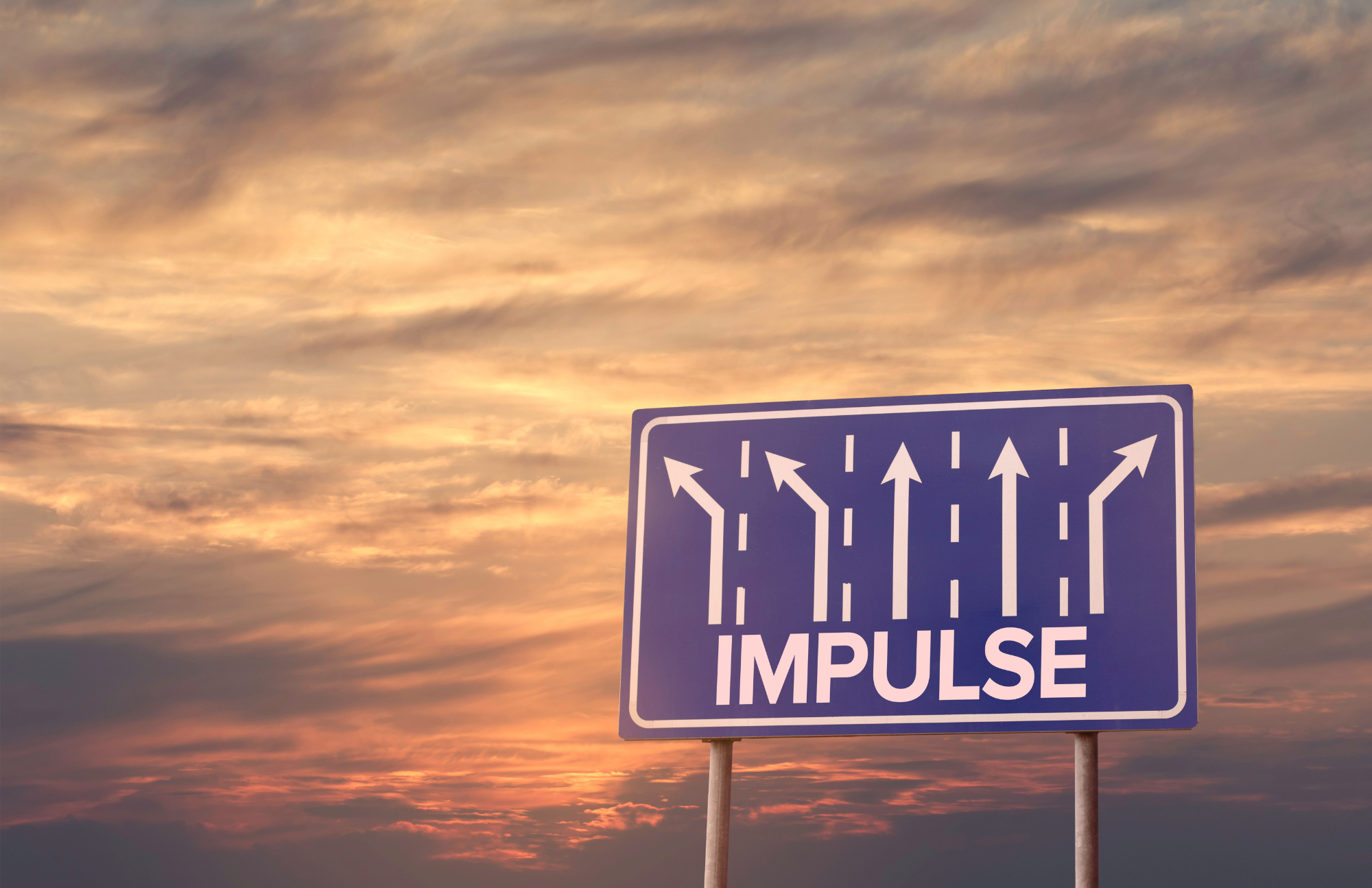
From Panic to Pause: 5 Simple Ways to Tame Impulsive Reactions
People with strong emotion regulation abilities typically lead healthier lives and enjoy better overall health . Most of us know the feeling – that moment we react without thinking and immediately wish we hadn’t. Our unchecked impulses can spiral into serious problems, ranging from deep regret to money troubles, broken relationships, and sometimes even legal…
Written by
·
-

Beyond Happy or Sad: How to Decode Your Emotional Language
People tend to limit their expressions of emotions in daily conversations. Most of us rely on variations of “happy,” “sad,” or “mad” to describe our feelings . English offers so big a collection of words to capture our emotional experiences . Learning to understand emotions beyond these simple constructs does more than expand our vocabulary.…
Written by
·
-

The Hidden Path to Personal Discovery: Where Psychology Meets Spirit
Life’s big questions about personal growth can feel overwhelming, especially with so many different paths claiming to be the best way forward . Most of us want to find answers to life’s deepest mysteries . The intersection of psychology and spirituality might hold some answers to this search. Self-discovery changes people’s lives. It helps us…
Written by
·
-

How to Identify and Protect Yourself from a Narcissist: A Survivor’s Guide
Around 5% of Americans have narcissistic personality disorder (NPD). This statistic might surprise you. Identifying narcissists matters because they’re all around us in our daily lives. People can show narcissistic traits without having the full disorder. NPD itself stands out with clear patterns – grandiose behavior, constant need for praise, and zero empathy. Narcissists often…
Written by
·
-

The Hidden Psychology Behind Why People Act Entitled and Play Victim
The connection between entitlement and victim mentality might seem contradictory at first glance. Research reveals a surprising psychological link between these seemingly opposite mindsets. People who remember unfair experiences tend to exhibit selfish behaviors and feel entitled to special treatment without putting in effort. Our daily lives often bring us face-to-face with entitled individuals who…
Written by
·
You must be logged in to post a comment.